South Carolina Hurricane Roofing: Protecting Coastal and Lowcountry Homes
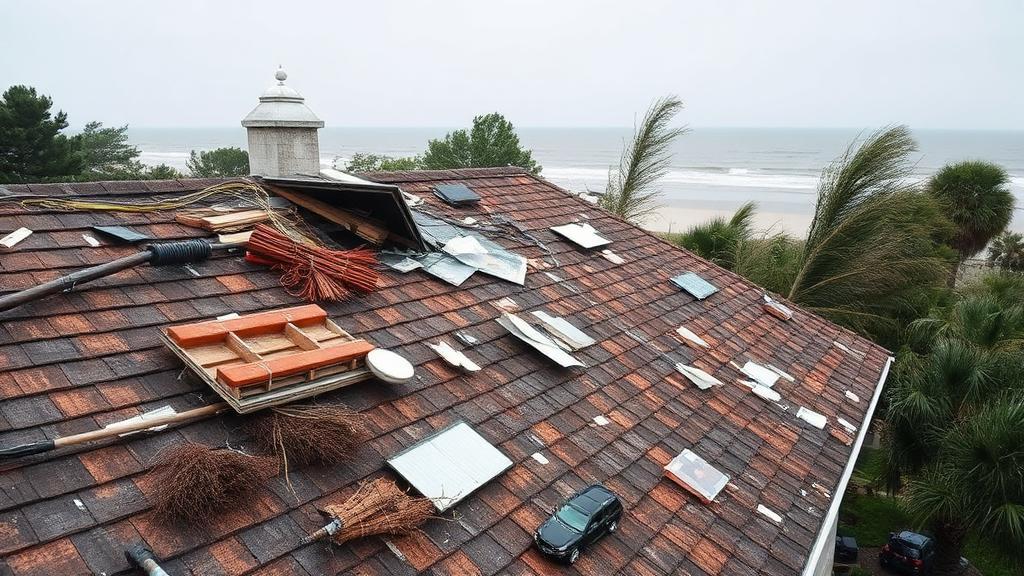
South Carolina coastal location exposes homes to significant hurricane risk. Understanding hurricane-resistant roofing helps protect coastal and lowcountry properties.
South Carolina Hurricane Risk
Coastal Exposure: Charleston, Myrtle Beach, and Hilton Head face direct hurricane threat.
Storm Surge: Low-lying areas face flood risk beyond wind damage.
Inland Impacts: Tropical systems can cause damage well inland.
Hurricane Season: June through November, with peak activity August-October.
Wind-Resistant Materials
High-Wind Shingles: Choose shingles rated for 130+ mph in coastal zones.
Metal Roofing: Standing seam metal provides excellent wind resistance.
Impact-Resistant: Consider impact-resistant materials for flying debris protection.
Building Code Requirements
Coastal Wind Zones: South Carolina coastal building codes specify enhanced wind resistance.
Miami-Dade Standards: Some insurers prefer materials meeting Miami-Dade standards.
Enhanced Installation: Specific nailing patterns and fastening requirements in wind zones.
Installation Best Practices
Six-Nail Pattern: Enhanced nailing for better wind resistance.
Proper Sealing: Ensure all shingles are properly sealed.
Starter Strip: Quality starter strips prevent edge uplift.
Drip Edge: Proper drip edge installation prevents wind infiltration.
Hurricane Preparation
Pre-Season Inspection: Address issues before hurricane season.
Documentation: Photograph roof condition for insurance purposes.
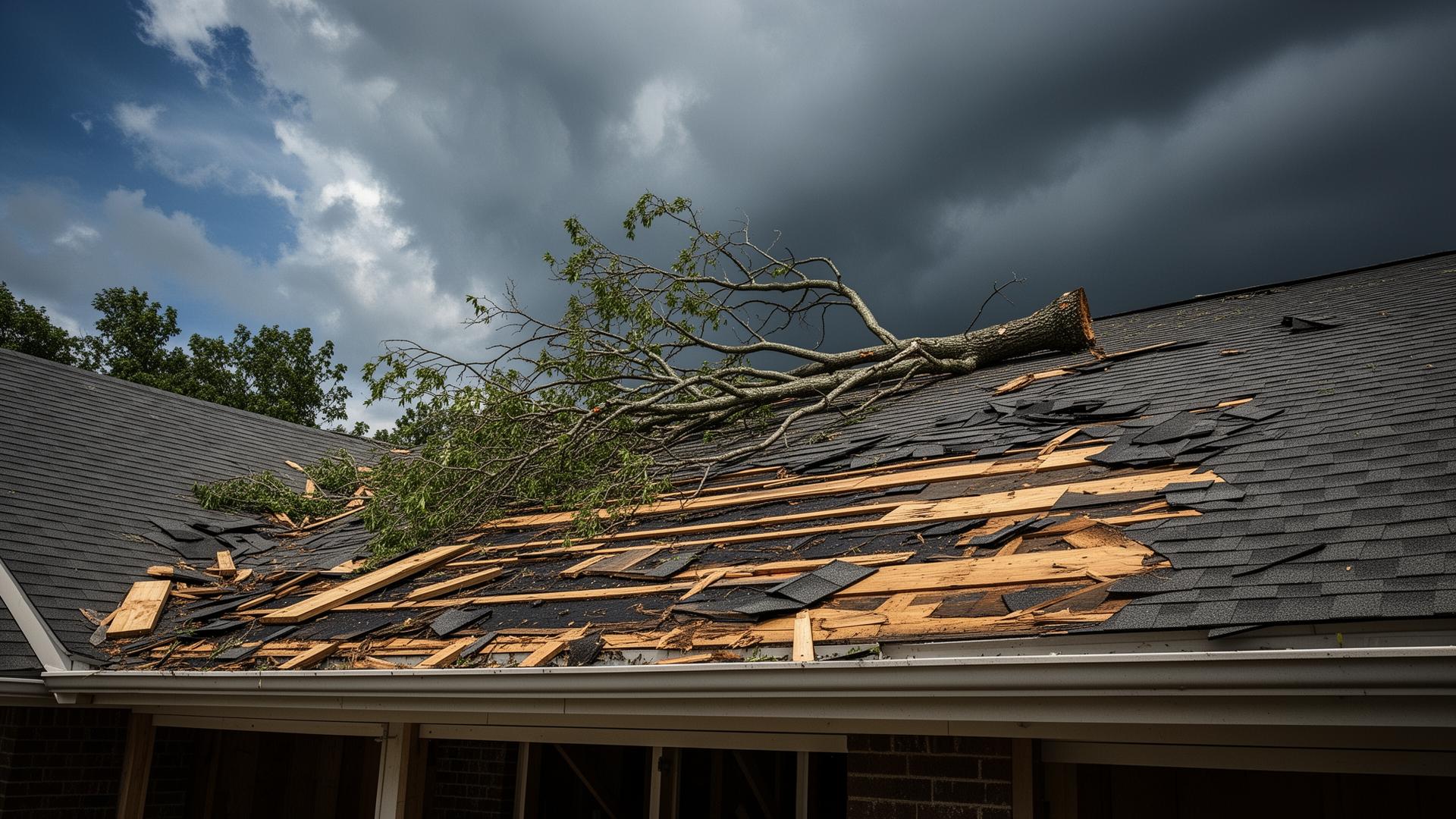
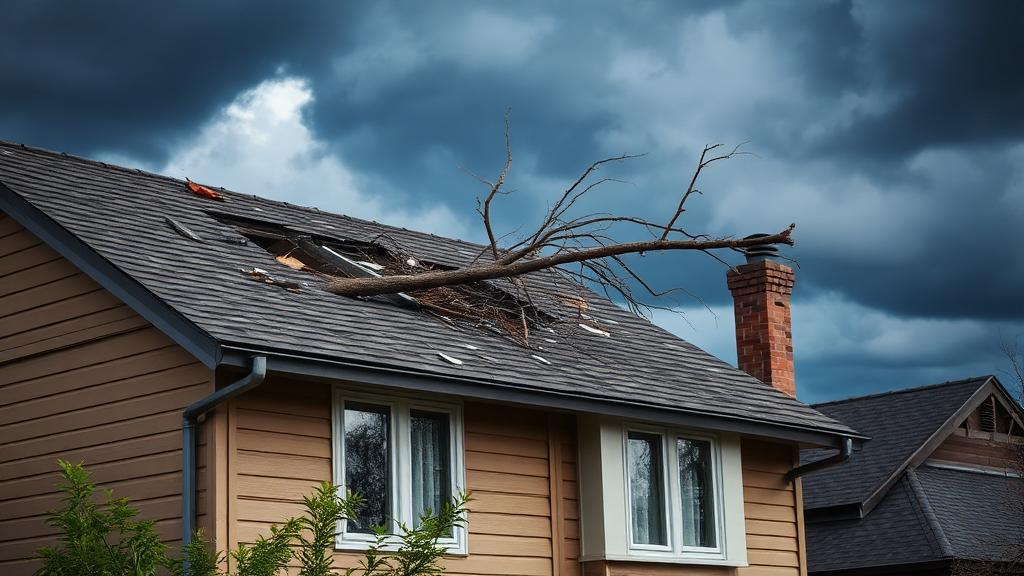
Tree Management: Remove hazardous trees and branches.
Emergency Supplies: Have tarps and basic supplies ready.
Post-Hurricane Response
Safety First: Wait for all-clear and beware of hazards.
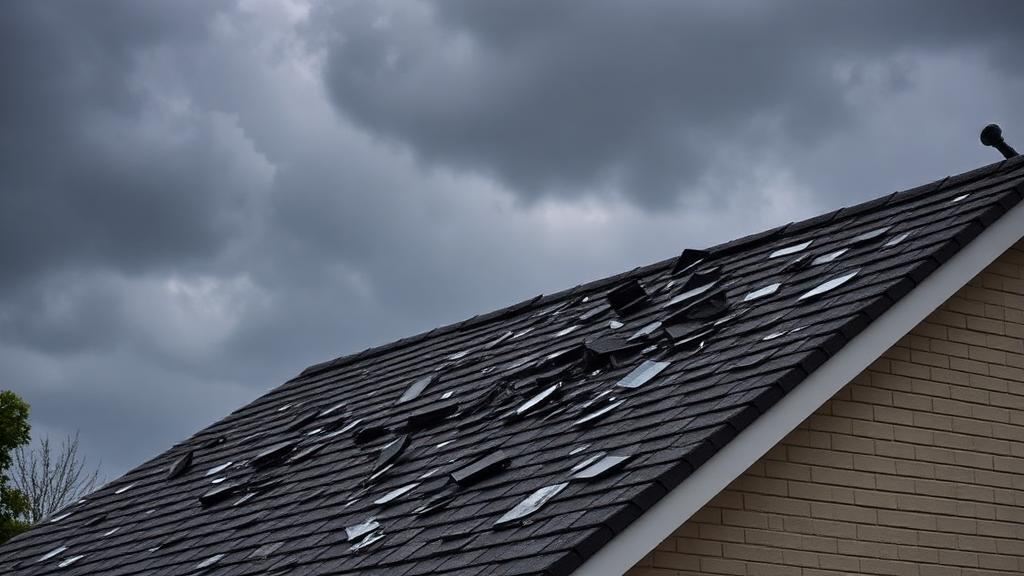
Document Damage: Photograph all damage before any repairs.
Prevent Additional Damage: Apply tarps to exposed areas.
File Claims Promptly: Report damage within policy timeframes.
Insurance Considerations
Wind Deductibles: Understand separate hurricane/wind deductibles.
Flood Insurance: Required in flood zones, recommended for others.
Coverage Review: Verify adequate coverage before hurricane season.
Conclusion
South Carolina hurricane preparedness requires appropriate materials and proper installation. Work with contractors experienced in coastal construction.
Need hurricane-ready roofing? Find South Carolina roofing contractors experienced with coastal construction.