North Carolina Hurricane Preparation: Protecting Your Roof from Storms
North Carolina faces significant hurricane risk, particularly in coastal and eastern regions. Proper roof preparation and wind-resistant materials minimize storm damage and protect homes during hurricane season. This guide covers hurricane preparation for North Carolina roofs.
Understanding North Carolina Hurricane Risk
North Carolina coastal areas face direct hurricane impacts with potentially devastating winds and storm surge. Inland areas, including Charlotte and the Triad, experience diminished but still significant wind impacts from hurricanes tracking inland.
Hurricane season runs June through November, with peak activity August through October. Preparation should be completed before season begins.
Wind-Resistant Material Selection
Metal Roofing: Standing seam metal provides excellent wind resistance when properly installed. Concealed fasteners eliminate uplift points. Metal roofing rated for high-wind zones withstands hurricane-force winds.
Impact-Resistant Shingles: Class 4 impact-resistant shingles with high wind ratings provide hurricane protection at lower cost than metal. Enhanced fastening patterns improve wind resistance.
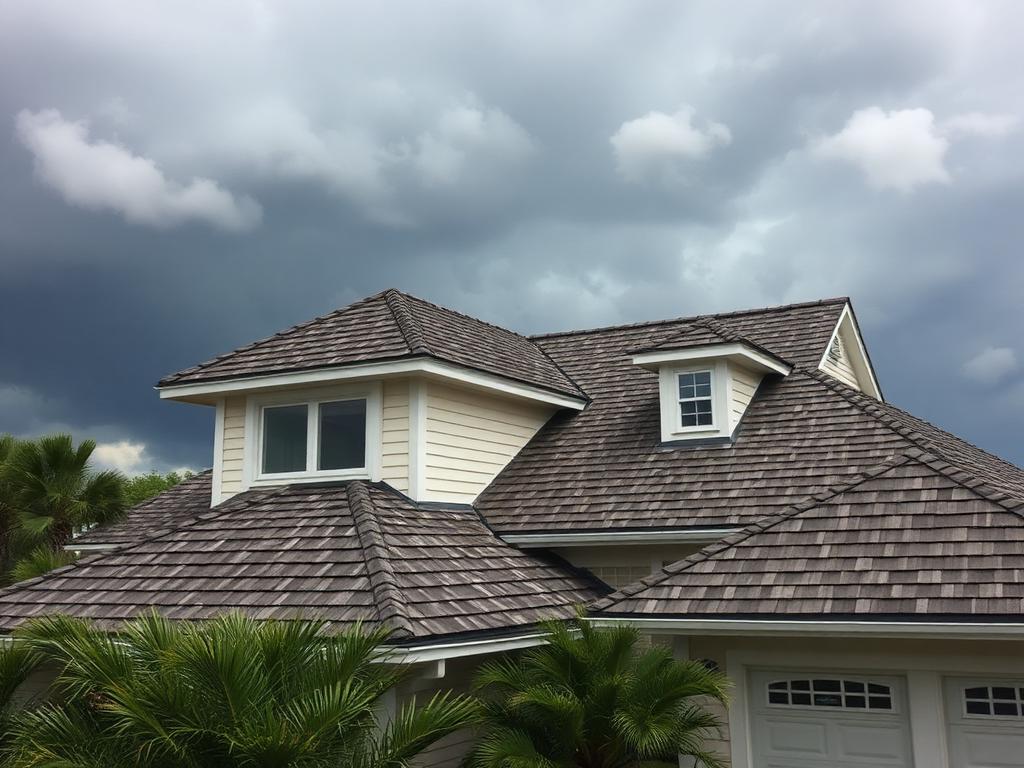
Tile Roofing: Properly fastened tile resists wind effectively. Hurricane clips and adhesive provide additional security. Tile weight provides some wind resistance inherently.
Pre-Season Preparation
Inspection: Schedule professional inspection before hurricane season. Identify and repair loose materials, damaged flashing, and vulnerable areas. Replace worn sealants and fasteners.
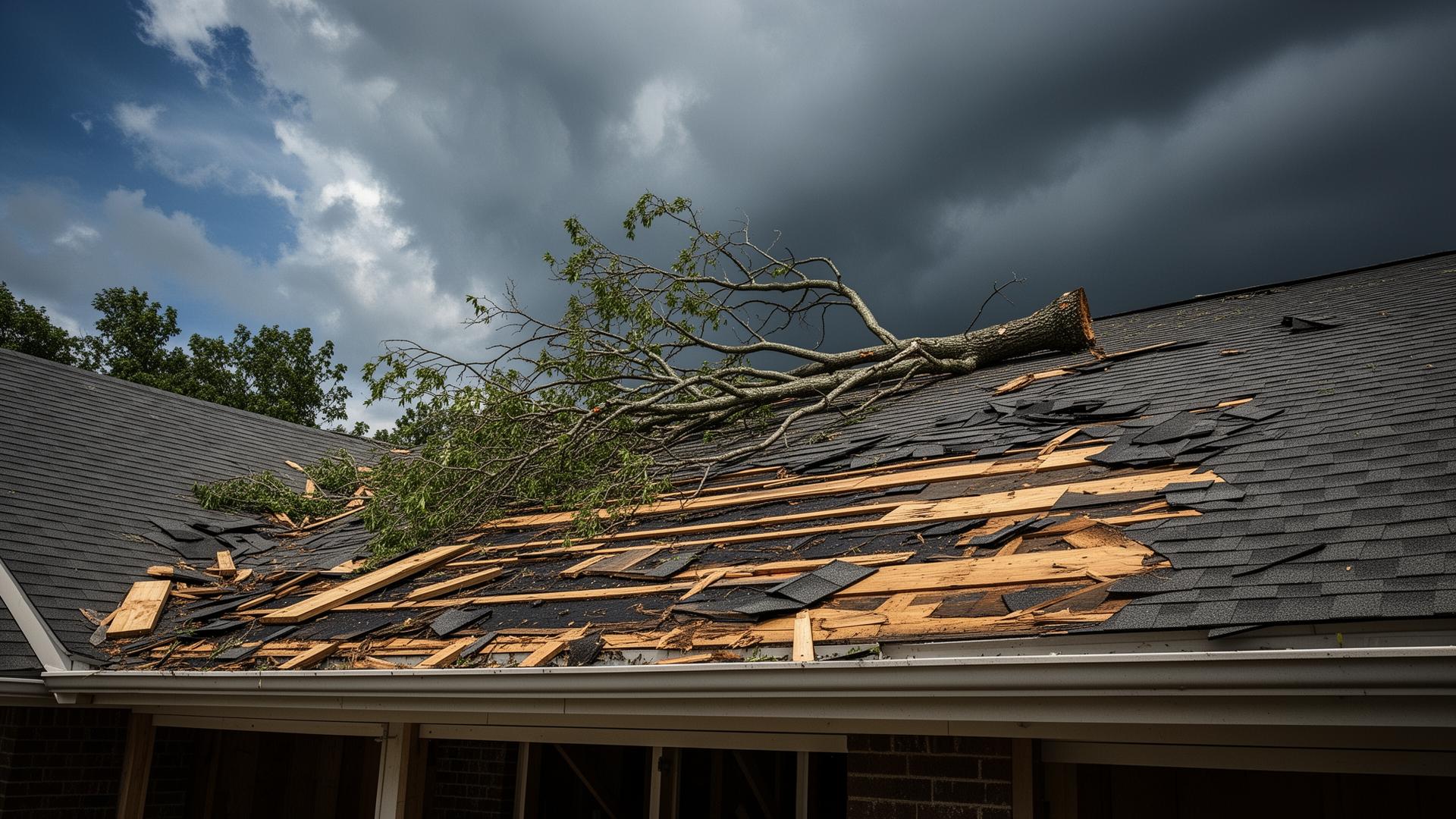
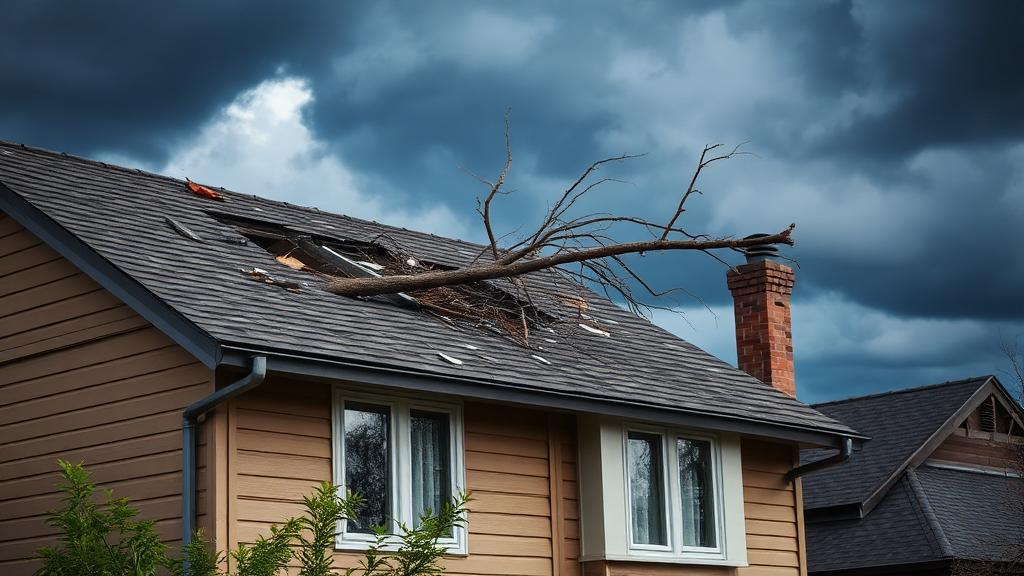
Tree Trimming: Remove dead branches and trim trees near the roof. Falling branches cause significant damage during storms. Maintain clearance between trees and roofing.
Gutter Cleaning: Clear gutters and downspouts for maximum drainage capacity. Blocked gutters contribute to water damage during heavy rainfall.
Documentation: Photograph roof condition before storm season for insurance documentation. Maintain records of materials and installation dates.
Emergency Supplies
Maintain emergency tarping supplies for post-storm protection. Quality tarps, lumber for weighting, and securing materials should be accessible before storms threaten.
During Hurricane Warnings
When hurricanes threaten, secure or remove loose objects from roof areas. Close all vents and openings that might admit wind-driven rain. Stay indoors during the storm.
Never attempt roof access during storms or immediately after when conditions remain dangerous. Wait for conditions to stabilize before assessing damage.
Post-Storm Assessment
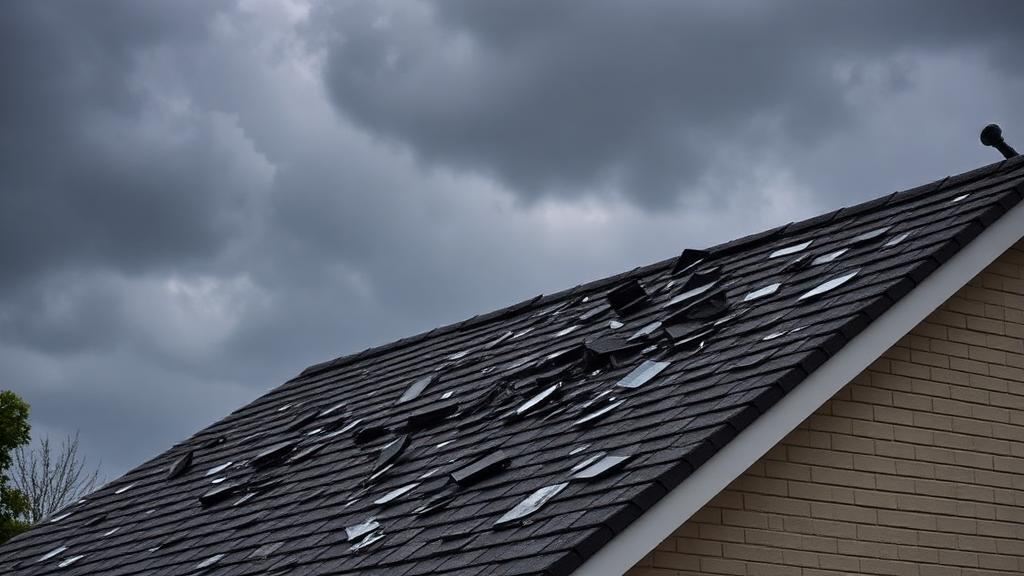
After storms pass, inspect for damage from ground level first. Look for missing materials, debris accumulation, and visible damage. Document findings with photographs.
If safe access is possible, check for subtle damage including lifted shingles, cracked tile, and damaged flashing. Professional inspection may identify damage not visible to homeowners.
Insurance Claims
Contact insurance promptly after identifying damage. Document all damage thoroughly. Obtain multiple repair estimates from licensed contractors experienced with storm restoration.
Conclusion
Hurricane preparation protects North Carolina homes from storm damage. Investing in wind-resistant materials and completing pre-season preparation minimizes storm impacts.
Need hurricane-resistant roofing? Find North Carolina roofing contractors experienced with coastal conditions.