Commercial Green Roofs: Design, Installation, and Maintenance for Sustainable Buildings
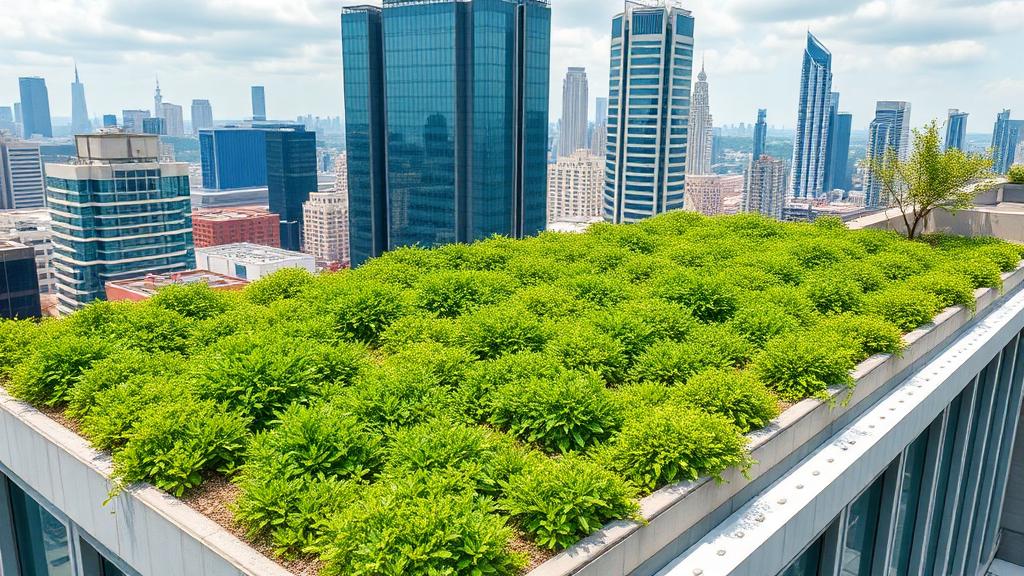
Commercial green roofs represent the intersection of building technology and environmental sustainability, transforming underutilized rooftop space into living ecosystems that benefit buildings, communities, and the environment. As urban areas seek solutions to stormwater management, urban heat islands, and sustainability challenges, green roofs have evolved from architectural novelty to mainstream building practice. This comprehensive guide explores commercial green roof design, installation, and maintenance.
Understanding Green Roof Systems
Green roofs consist of waterproofing, root barriers, drainage layers, growing media, and vegetation installed over conventional roof structures. These systems range from simple, low-maintenance installations to elaborate rooftop gardens with diverse plantings and amenities.
Green Roof Benefits:: Commercial green roofs provide multiple benefits that justify their investment for forward-thinking building owners and developers.
Stormwater Management:: Green roofs absorb and retain rainwater, reducing stormwater runoff by 50-90% depending on system design and storm intensity. This reduction eases burden on municipal storm systems and reduces combined sewer overflow events in older cities.
Energy Efficiency:: The planted surface and growing media provide insulation while evapotranspiration from plants cools the roof surface. Summer cooling loads can decrease by 25-50% depending on building design and climate.
Urban Heat Island Reduction:: By replacing dark, heat-absorbing surfaces with cooler vegetated surfaces, green roofs help combat urban heat island effects that raise city temperatures above surrounding areas.
Air Quality Improvement:: Plants filter airborne particulates and absorb pollutants while producing oxygen. Large-scale green roof adoption can measurably improve urban air quality.
Acoustic Benefits:: Green roof assemblies reduce sound transmission into buildings and decrease sound reflection in urban environments.
Types of Green Roof Systems
Commercial green roofs are categorized by planting depth and intensity, with distinct design and maintenance requirements for each type.
Extensive Green Roofs
Extensive systems use shallow growing media (2-6 inches) with hardy, low-maintenance plants. These systems are designed to function with minimal intervention after establishment.
Characteristics:: - Growing media depth: 2-6 inches - Weight: 15-50 lbs per square foot saturated - Plant palette: Sedums, grasses, drought-tolerant species - Maintenance: 1-2 visits per year after establishment - Irrigation: Often unnecessary after establishment - Cost: $15-25 per square foot installed
Extensive green roofs work on most commercial buildings without structural modification if the building was designed to conventional standards. The lightweight nature and low maintenance requirements make extensive systems practical for buildings without dedicated maintenance staff.
Intensive Green Roofs
Intensive systems use deeper growing media (6+ inches) to support diverse plantings including shrubs and small trees. These rooftop gardens require regular maintenance similar to ground-level landscapes.
Characteristics:: - Growing media depth: 6-24+ inches - Weight: 50-150+ lbs per square foot saturated - Plant palette: Wide variety including perennials, shrubs, trees - Maintenance: Regular landscape maintenance required - Irrigation: Typically required - Cost: $25-50+ per square foot installed
Intensive green roofs require structural capacity that may exceed standard building design. New construction can incorporate intensive green roofs through structural design; retrofits require engineering evaluation and may need reinforcement.
Semi-Intensive Systems
Semi-intensive designs combine extensive and intensive characteristics, using moderate growing media depths to support limited diversity while maintaining reasonable maintenance requirements.
Characteristics:: - Growing media depth: 4-8 inches - Weight: 30-80 lbs per square foot saturated - Plant palette: Sedums, ornamental grasses, selected perennials - Maintenance: 3-6 visits per year - Irrigation: Often needed during establishment and drought
Semi-intensive systems provide aesthetic interest beyond basic extensive installations while avoiding the intensive maintenance requirements of full rooftop gardens.
Green Roof Components
Understanding green roof components helps specify appropriate systems and evaluate proposals.
Waterproofing Membrane
The waterproofing layer is the most critical green roof component, protecting the building from water intrusion beneath the planted assembly. Green roof waterproofing must withstand root penetration, constant moisture exposure, and limited accessibility for repairs.
Membrane Requirements:: - Root resistance (often incorporated or achieved through separate root barrier) - Long-term moisture tolerance - Puncture resistance during installation - Compatibility with green roof components
Single-ply membranes (TPO, EPDM, PVC), modified bitumen, and hot-applied waterproofing are all used beneath green roofs. Selection depends on project requirements and local experience.
Drainage Layer
The drainage layer manages water within the green roof assembly, removing excess water while retaining moisture for plant use.
Drainage Options:: - Drainage mats: Synthetic mats with water retention cups - Aggregate drainage: Lightweight aggregate (expanded slate, clay) - Drainage boards: Rigid panels with integrated drainage channels
Proper drainage prevents waterlogging that kills plants and adds unwanted weight. The drainage layer also provides aeration for root zones.
Growing Media
Green roof growing media differs substantially from typical soil. Engineered media provides proper drainage, weight, and nutrient content while avoiding compaction and decomposition issues.
Media Characteristics:: - Lightweight mineral components (expanded aggregate) - Organic content for moisture retention and nutrients - Appropriate particle size distribution for drainage - pH suited to specified plants
Do not use conventional topsoil on green roofs. Engineered media specification is essential for long-term system success.
Vegetation
Plant selection determines green roof appearance, maintenance requirements, and performance characteristics.
Extensive Plant Selection:: Extensive green roofs typically feature sedums and other succulents that tolerate shallow soil, drought, and temperature extremes. Native plants adapted to similar conditions expand options in some regions.
Intensive Plant Selection:: Intensive systems can support nearly any plant viable in the local climate, limited by media depth, exposure, and maintenance commitment. Work with landscape architects experienced in rooftop conditions.
Structural Considerations
Green roofs add significant weight that must be evaluated against building structural capacity.
Weight Considerations:: - Growing media: 80-120 lbs per cubic foot when saturated - Drainage layer: 3-10 lbs per square foot - Plants and organic matter: 1-5 lbs per square foot - Retained water: Varies with system design
Structural Evaluation:: Before proceeding with green roof design, have a structural engineer evaluate building capacity. The evaluation should consider: - Dead loads from green roof assembly - Live loads including maintenance access and potential water retention - Wind uplift forces on the assembly - Load path to foundations
New construction easily accommodates green roofs through appropriate structural design. Retrofits may require reinforcement at significant additional cost.
Installation Process
Green roof installation requires coordination between roofing, waterproofing, and landscape contractors. Quality control throughout installation protects the significant investment.
Installation Sequence:: 1. Complete and test waterproofing membrane 2. Install root barrier if separate from membrane 3. Flood test waterproofing (critical step) 4. Install protection layer over membrane 5. Install drainage layer 6. Install filter fabric 7. Install growing media 8. Install plants or pre-grown modules 9. Install irrigation if specified 10. Establish initial irrigation and maintenance regime
The flood test before adding green roof components is essential. Once layers are installed, waterproofing problems become extremely expensive to address.
Maintenance Requirements
Green roof maintenance requirements vary by system type but all require some ongoing attention.
Establishment Period
The first two years after installation require increased attention as plants establish root systems and fill coverage gaps.
Establishment Tasks:: - Irrigation as needed for plant survival - Weed control (essential for extensive systems) - Replacement of failed plants - Fertilization per specification - Inspection of drainage and edge conditions
Ongoing Maintenance
After establishment, maintenance requirements decrease but do not disappear.
Extensive System Maintenance:: - 1-2 inspections per year - Weed removal as needed - Fertilization (annually or as indicated) - Debris removal from drains - Edge and penetration inspection
Intensive System Maintenance:: - Regular landscape maintenance - Irrigation system operation and maintenance - Pruning, fertilization, seasonal care - Drain maintenance - Pest and disease management
Budget for ongoing maintenance to protect the green roof investment. Neglected green roofs decline rapidly and may require expensive rehabilitation.
Cost-Benefit Analysis
Green roof economics involve higher upfront costs offset by multiple benefits over the system lifespan.
Cost Factors:: - Base roofing and waterproofing: Standard or enhanced - Green roof assembly: $15-50+ per square foot - Structural upgrades: If required for existing buildings - Irrigation system: For intensive systems - Ongoing maintenance: Annual expense
Benefit Factors:: - Extended waterproofing lifespan: 2-3x conventional roofs - Energy savings: 10-30% of rooftop-related cooling load - Stormwater fee reductions: Available in many jurisdictions - Property value increase: Documented in multiple markets - Tax incentives: Available in some areas - LEED and green building credits
Life cycle analysis typically shows green roofs providing positive returns over 20-30 year analysis periods, with payback accelerating as energy costs and stormwater fees increase.
Regulatory and Incentive Landscape
Many jurisdictions encourage or require green roofs through various mechanisms.
Regulatory Approaches:: - Mandates for new construction (various cities) - Stormwater fee credits for green roof installation - Floor area ratio bonuses for green roof inclusion - Expedited permitting for green building projects
Financial Incentives:: - Direct grants and rebates - Tax abatements - Low-interest financing programs - Utility rebates for energy efficiency
Research local programs before beginning project planning. Available incentives can significantly improve project economics.
Working with Green Roof Professionals
Green roof projects require specialized expertise beyond typical roofing or landscape capabilities.
Project Team:: - Architect or building designer - Structural engineer - Waterproofing contractor - Green roof designer or consultant - Landscape contractor with green roof experience - Irrigation specialist (for irrigated systems)
Find qualified contractors with documented green roof experience and manufacturer certifications. Request references from completed projects and visit if possible.
Conclusion
Commercial green roofs provide multiple benefits that increasingly justify their higher initial costs. As stormwater regulations tighten, energy costs rise, and sustainability requirements expand, green roofs transition from premium amenity to mainstream practice. Proper design, quality installation, and ongoing maintenance ensure green roofs deliver their potential benefits over long service lives.