Commercial Roof Energy Efficiency: Cool Roofing and Beyond
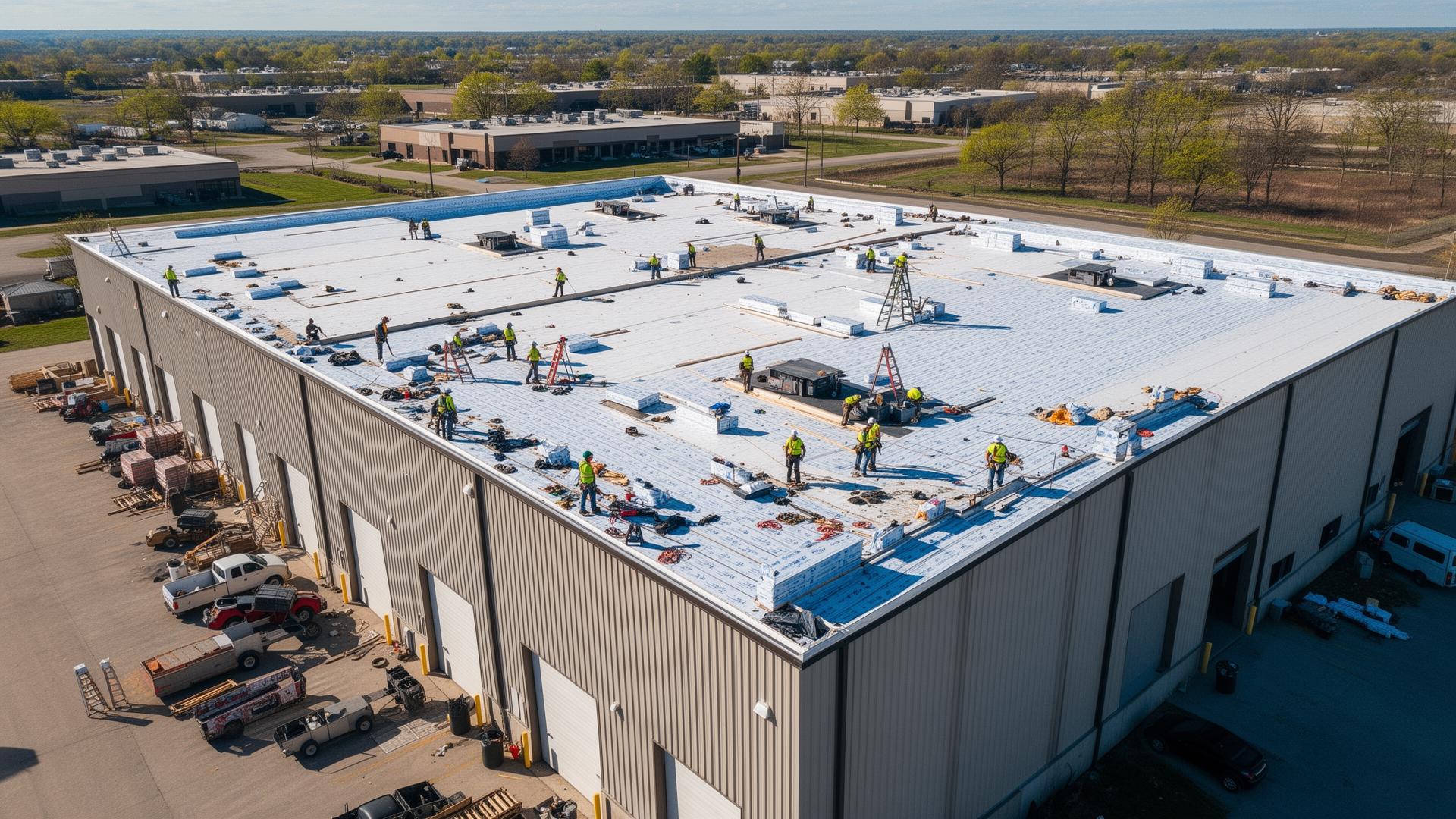
Commercial roofs significantly impact building energy performance. With roof surfaces often comprising the largest single building envelope component, roofing choices substantially affect heating and cooling costs. Understanding energy-efficient options helps building owners reduce operating costs and meet sustainability goals.
How Roofs Affect Energy Use
Roofs impact energy consumption through multiple mechanisms.
Solar Heat Gain: Dark roofs absorb solar radiation, transferring heat into buildings and increasing cooling loads.
Thermal Transfer: Inadequate insulation allows heat to flow through the roof assembly-out during winter, in during summer.
Air Leakage: Poor roof assembly integrity allows conditioned air to escape and unconditioned air to infiltrate.
Radiant Heat: Roofs radiating absorbed heat increase HVAC system demand.
Cool Roofing Fundamentals
Cool roofs reduce heat absorption through reflectivity and emissivity.
Solar Reflectance: Measures how much solar energy a surface reflects. Cool roofs reflect 65-90% versus 5-25% for dark roofs.
Thermal Emittance: Measures how efficiently a surface releases absorbed heat. High emittance materials cool quickly.
Solar Reflectance Index (SRI): Combined measure on 0-100+ scale. Higher SRI indicates cooler roof surface.
Temperature Difference: Cool roofs may be 50-60°F cooler than dark roofs under identical conditions, dramatically reducing heat transfer.
Cool Roofing Options
Multiple approaches achieve cool roof performance.
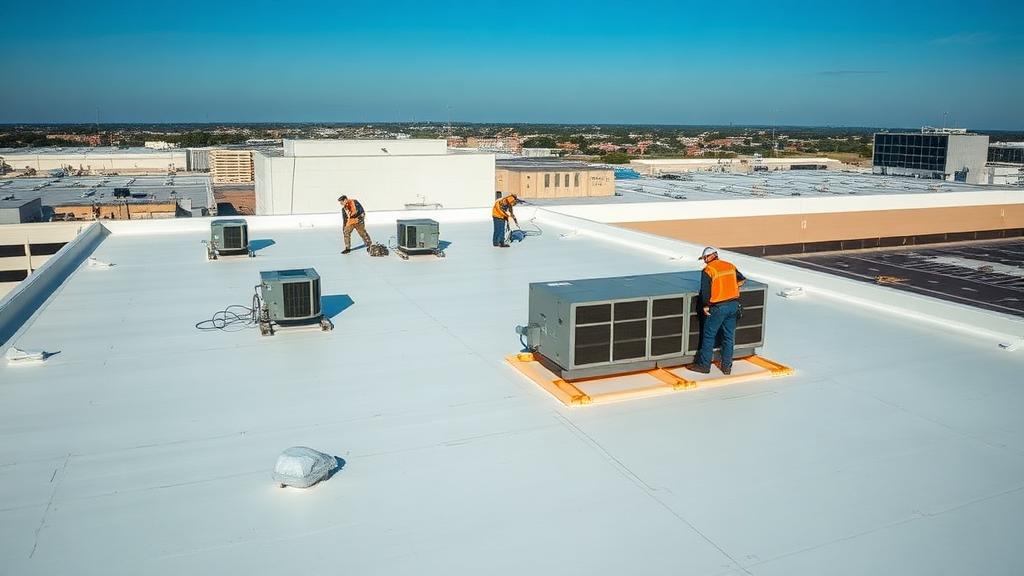
White Single-Ply Membranes: TPO, PVC, and white EPDM provide inherent cool roof performance. White TPO and PVC are the most common cool roofing choices.
Reflective Coatings: Applied over existing roofing, reflective coatings convert dark roofs to cool roofs. Options include acrylics, silicones, and elastomerics.
Cool-Colored Roofing: Specialized pigments provide cool performance in colors other than white. Useful where white isn't aesthetically acceptable.
Metal Roofing: Factory-applied cool coatings on metal roofing achieve excellent SRI values.
Vegetative Roofs: Green roofs provide cooling through evapotranspiration and shading, though installation is more complex.
Insulation Strategies
Insulation is fundamental to roof energy performance.
R-Value Requirements: Building codes specify minimum insulation values. Consider exceeding code minimums for improved performance.
Continuous Insulation: Installing insulation above deck eliminates thermal bridging through structural members.
Tapered Insulation: Serving dual purposes of drainage and insulation, tapered systems create positive slope.
Cover Boards: High-density cover boards over insulation improve membrane performance and provide additional thermal value.
Air Barriers: Proper air barrier installation prevents air infiltration that bypasses insulation value.
Economic Considerations
Energy-efficient roofing affects building economics.
Energy Cost Savings: Cool roofs typically reduce cooling costs 7-15% in warm climates. Savings depend on climate, building type, and HVAC efficiency.
Peak Demand Reduction: Reducing peak cooling load can reduce utility demand charges beyond basic energy savings.
HVAC Sizing: Cool roofs on new construction may allow smaller HVAC systems, providing capital cost savings.
Roof Longevity: Cooler operating temperatures extend membrane life, delaying replacement costs.
Incentives: Utility rebates, tax incentives, and green building certifications may offset premium costs.
Climate Considerations
Optimal strategies vary by climate zone.
Hot Climates: Cool roofing provides maximum benefit where cooling dominates energy use. White membranes and high reflectivity are priorities.
Mixed Climates: Balance cooling benefits against potential winter heating penalty. Benefits typically outweigh penalties in mixed climates.
Cold Climates: Prioritize insulation over reflectivity. Cool roofing may still benefit buildings with significant cooling loads (data centers, commercial kitchens).
Humid Climates: Cool roofing reduces sensible cooling load; latent loads require adequate dehumidification capacity.
Code Requirements
Energy codes increasingly require cool or efficient roofing.
ASHRAE 90.1: Standard requiring minimum roof reflectance in climate zones 1-3.
California Title 24: Stringent cool roof requirements for most low-slope commercial roofs.
Local Amendments: Many jurisdictions adopt or exceed model code requirements.
Compliance Verification: Document installed roofing SRI values for code compliance.
Beyond the Roof Surface
Comprehensive energy approaches consider the complete system.
Ventilated Assemblies: Where applicable, ventilated roof assemblies reduce heat transfer beyond insulation value.
Solar Integration: Cool roofs improve solar panel efficiency by reducing ambient temperatures.
Building Automation: Smart building systems optimize HVAC operation based on roof and building conditions.
Holistic Approach: Roof improvements work best as part of comprehensive building energy strategies.
Measuring Performance
Verifying energy improvements validates investments.
Utility Analysis: Compare energy use before and after improvements, accounting for weather variations.
Submetering: Isolating HVAC energy use provides clearer picture of roof-related changes.
Thermal Imaging: Infrared surveys verify insulation installation quality and identify any deficiencies.
Conclusion
Commercial roof energy efficiency offers substantial operating cost reductions while supporting sustainability goals. Cool roofing, adequate insulation, and proper system design together optimize building performance. Consider both immediate savings and long-term benefits when evaluating energy-efficient roofing options.
Find commercial roofing contractors experienced with energy-efficient systems.