Commercial Roof Leak Repair: Fast Solutions for Business Owners
Commercial roof leaks create urgent situations affecting business operations, tenant relationships, inventory, and equipment. Unlike residential leaks impacting a single family, commercial leaks can affect multiple businesses and cost thousands in damage and lost revenue. Quick, effective response minimizes these impacts.
Immediate Emergency Response
When leaks are discovered, immediate action limits damage.
Protect Contents: Move sensitive equipment, inventory, and documents away from leak areas. Cover items that cannot be moved with plastic sheeting.
Contain Water: Place containers under active drips to collect water and prevent spreading. Use wet-dry vacuums to remove standing water from floors.
Create Controlled Drainage: If water is pooling above ceiling tiles, carefully puncture the lowest point of the bulge to create controlled drainage into containers rather than waiting for an uncontrolled ceiling collapse.
Document Everything: Photograph and video water intrusion, damage, and affected areas. This documentation supports insurance claims and contractor assessment.
Notify Affected Parties: Inform tenants, staff, and management of the situation and response actions being taken.
Contact Emergency Services: Contact your roofing contractor or emergency repair service immediately. Many commercial roofing companies offer 24/7 emergency response.
Finding Leak Sources
Commercial roof leaks are often challenging to locate because water travels from entry points.
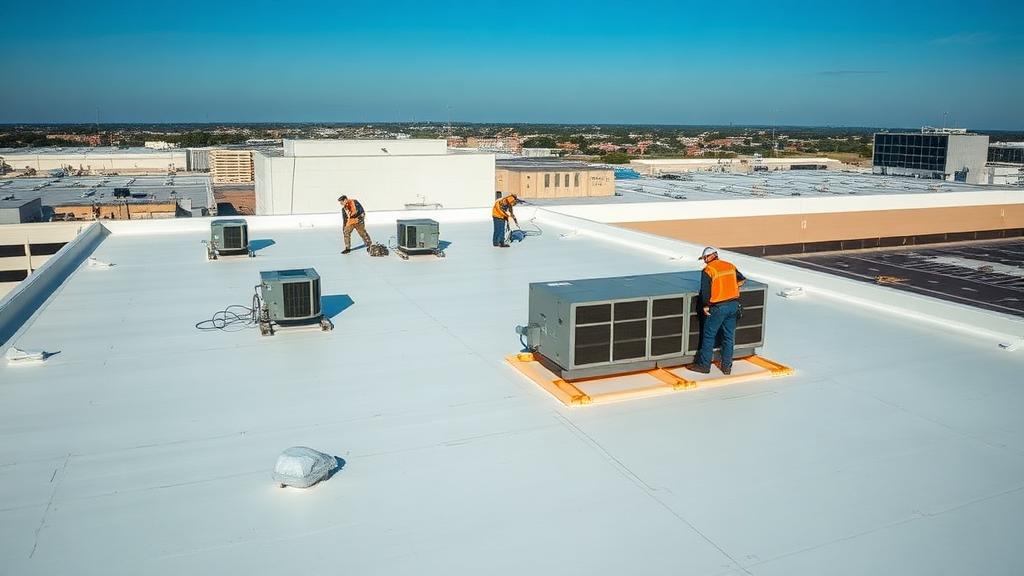
Visible Penetrations: Start by examining the roof directly above the leak location. Look for problems at nearby penetrations including HVAC equipment, exhaust vents, pipes, and drains.
Flashing Inspection: Examine flashings along walls, curbs, edges, and penetrations near the leak area. Separated, lifted, or deteriorated flashing is a common cause.
Membrane Assessment: Look for punctures, tears, open seams, and blistering in the roof membrane near and upslope from the leak location.
Drainage Problems: Clogged drains or areas of ponding water can force water under membranes. Check drainage in the affected area.
Interior Investigation: From inside, trace water stains toward their origin. Water often travels along deck flutes, insulation, and structural members before becoming visible.
Professional Assessment: For difficult-to-locate leaks, professional inspection using infrared thermography or electronic detection can identify hidden moisture and leak paths.
Temporary Repair Options
Temporary repairs protect your building while permanent solutions are arranged.
Emergency Tarping: For active leaks during rain, temporary tarping over the affected area can stop water entry. Tarps must extend well beyond visible damage and be securely weighted.
Tape and Sealant: For small membrane tears or separated seams, temporary tape specifically designed for commercial roofing or compatible sealants can provide short-term protection.
Temporary Flashing: Metal or membrane flashing can be temporarily installed to protect areas with failed permanent flashing while proper repairs are scheduled.
Drain Clearing: If blocked drainage is contributing to leaks, immediate clearing can relieve some pressure on the roof system even before formal repairs.
Professional Emergency Service: Many commercial roofing contractors offer emergency waterproofing services that can quickly secure your roof until permanent repairs are scheduled.
Permanent Repair Solutions
Permanent repairs address underlying causes, not just visible symptoms.
Penetration Reflashing: Failed flashing around penetrations is replaced with new, properly detailed flashing. This may involve removing and reinstalling surrounding membrane sections.
Seam Repairs: For single-ply roofs with seam failures, professionals can reweld or reseal seams using appropriate methods and materials for the specific membrane type.
Membrane Patching: Punctures and tears are patched using compatible materials and methods. Proper patching involves cleaning, priming, and fully adhering patch materials.
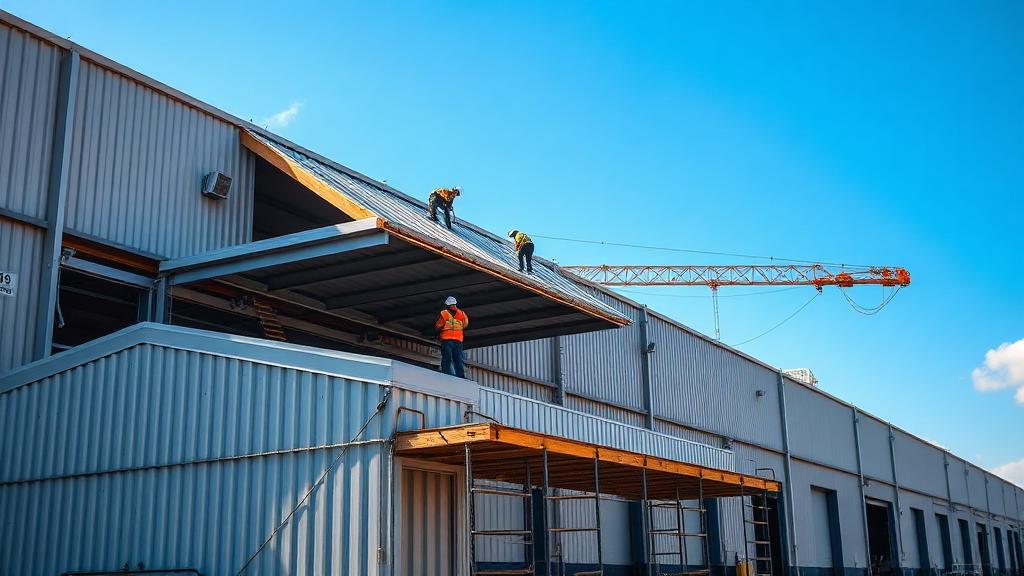
Full Section Replacement: When damage extends beyond localized repair, entire sections of roofing may need replacement. This ensures no hidden damage remains in partially repaired areas.
Drainage Improvements: If drainage problems contributed to the leak, modifications to improve water flow prevent recurrence. This may involve additional drains, tapered insulation, or scupper modifications.
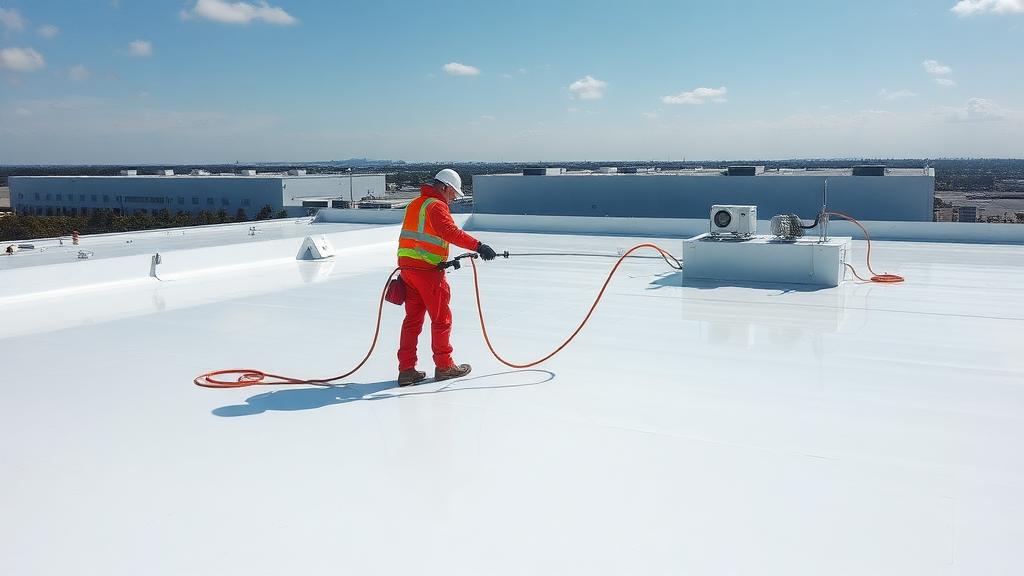
Coating Applications: For aged roofs with general deterioration, coating systems can restore waterproofing while extending remaining life.
Choosing Repair Contractors
Select commercial roofing contractors carefully for repair quality.
Commercial Experience: Commercial roofing differs significantly from residential. Ensure contractors have specific experience with commercial systems and your roof type.
Emergency Availability: For emergency situations, contractors who offer 24/7 response provide faster protection. Establish relationships before emergencies occur.
Licensing and Insurance: Verify contractors hold required licenses and carry adequate liability and workers compensation insurance.
Warranty Compatibility: For roofs still under manufacturer warranty, use authorized contractors to maintain warranty coverage.
References and Track Record: Check contractor reputation through references, reviews, and business history.
Connect with qualified commercial roofing professionals in your area.
Insurance Claim Process
Many commercial roof leaks trigger insurance claims.
Policy Review: Understand what your policy covers before filing. Coverage varies significantly between policies.
Prompt Reporting: Report damage to your insurer promptly. Delays can complicate claims.
Documentation: Provide comprehensive documentation including photographs, videos, repair estimates, and records of any emergency mitigation performed.
Scope Agreement: Work with adjusters to ensure all damage is assessed. Hidden damage within walls, insulation, and equipment may not be immediately apparent.
Mitigation Responsibility: Most policies require reasonable mitigation efforts. Document these efforts and keep receipts for reimbursement.
Preventing Future Leaks
Prevention costs far less than repair.
Regular Inspections: Schedule professional inspections at least twice annually and after significant weather events.
Proactive Maintenance: Address small problems before they become leaks. Sealant maintenance, drain cleaning, and minor repairs prevent major failures.
Traffic Management: Protect roof membranes from damage caused by service personnel through designated walkways and contractor guidelines.
Drainage Maintenance: Keep all drainage components clear and functioning. This single practice prevents many commercial roof problems.
Condition Monitoring: Track roof condition over time. When inspections show declining conditions, plan for restoration or replacement before failures occur.
Cost Considerations
Understand the economics of commercial roof leak repair.
Emergency Premium: Emergency services often cost more than scheduled work. Prompt response to initial problems prevents emergency situations.
Repair vs. Replace: When repair costs accumulate and roof age suggests limited remaining life, replacement becomes more economical than continued repair investment.
Downtime Costs: Factor business interruption and lost productivity into repair cost assessments. Faster permanent repairs may cost more than extended temporary measures but save money overall.
Prevention Investment: Regular maintenance and inspection costs are predictable and modest compared to emergency repairs and damage costs.
Conclusion
Commercial roof leaks require immediate response to minimize damage, followed by proper assessment and permanent repair to prevent recurrence. Develop emergency response procedures before leaks occur, establish relationships with qualified contractors, and invest in prevention through regular maintenance and inspection. With proper attention, commercial roofing systems provide reliable protection for decades, keeping your business dry and operations running smoothly.