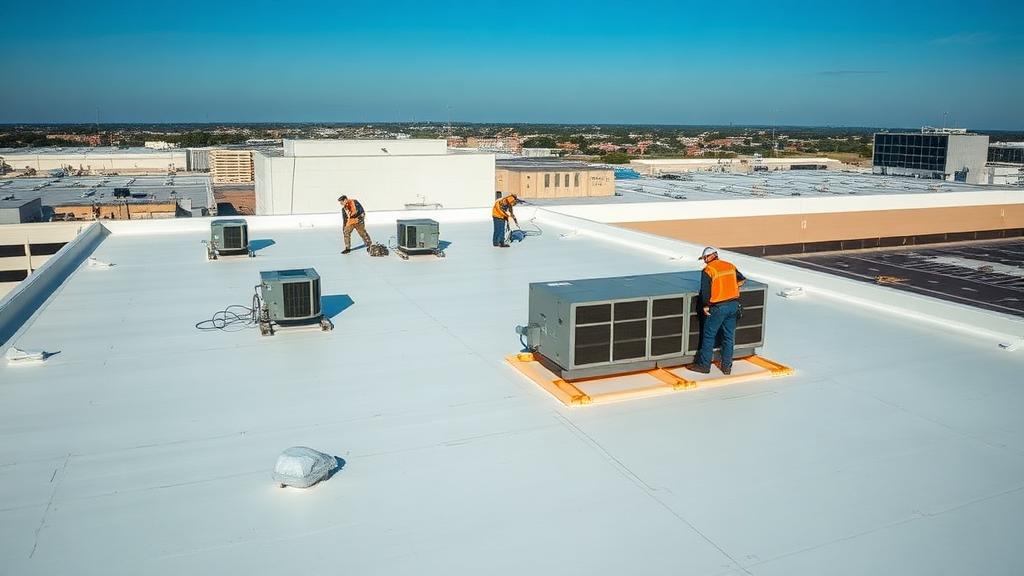
Commercial Roof Reroofing vs. Replacement: Making the Right Decision
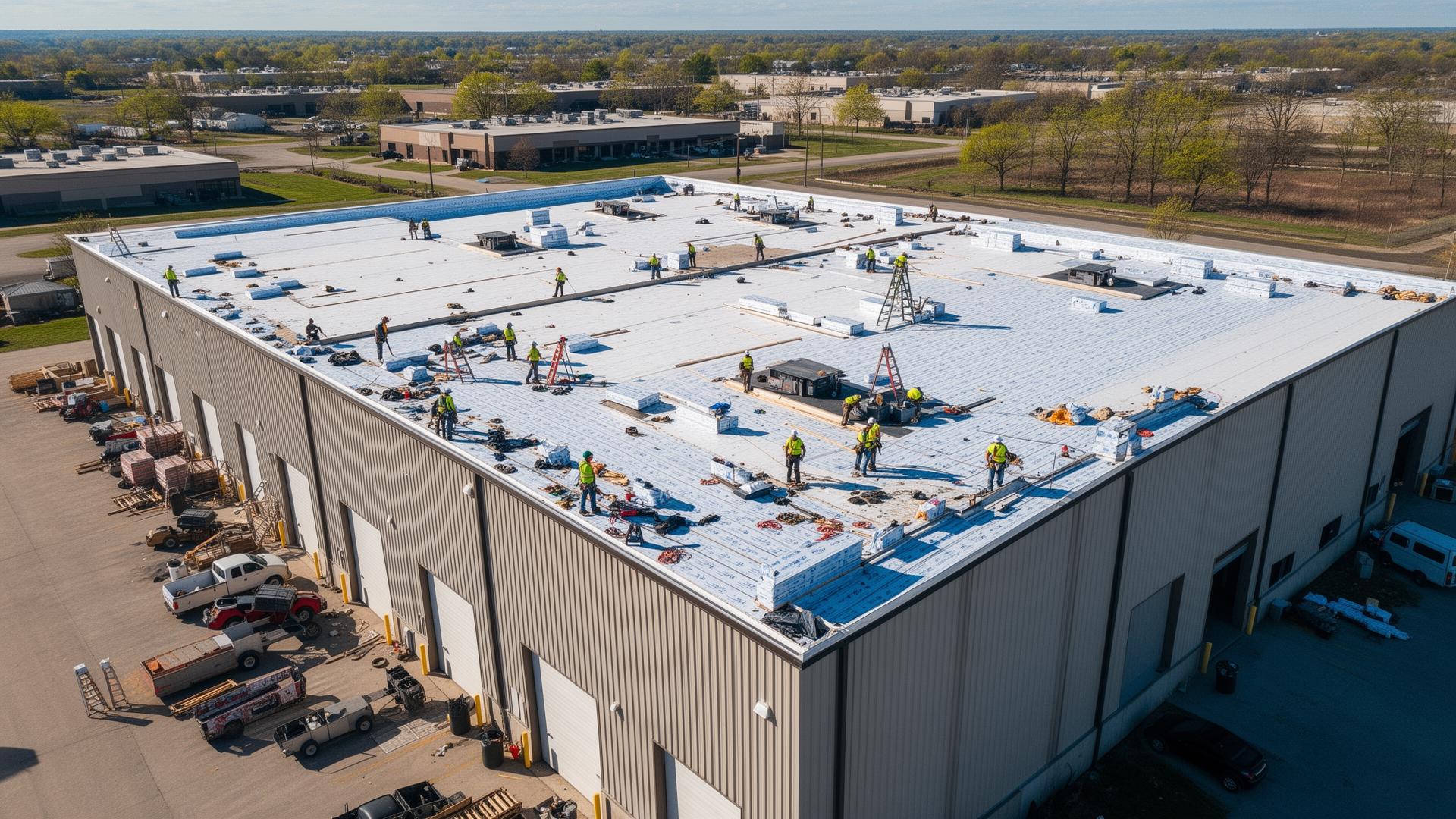
When commercial roofs approach end of life or develop problems, building owners face a fundamental decision: reroof over the existing system or completely replace it. Each approach has advantages and appropriate applications. Understanding the factors involved leads to better decisions.
Understanding Your Options
Clarify the terminology and approaches.
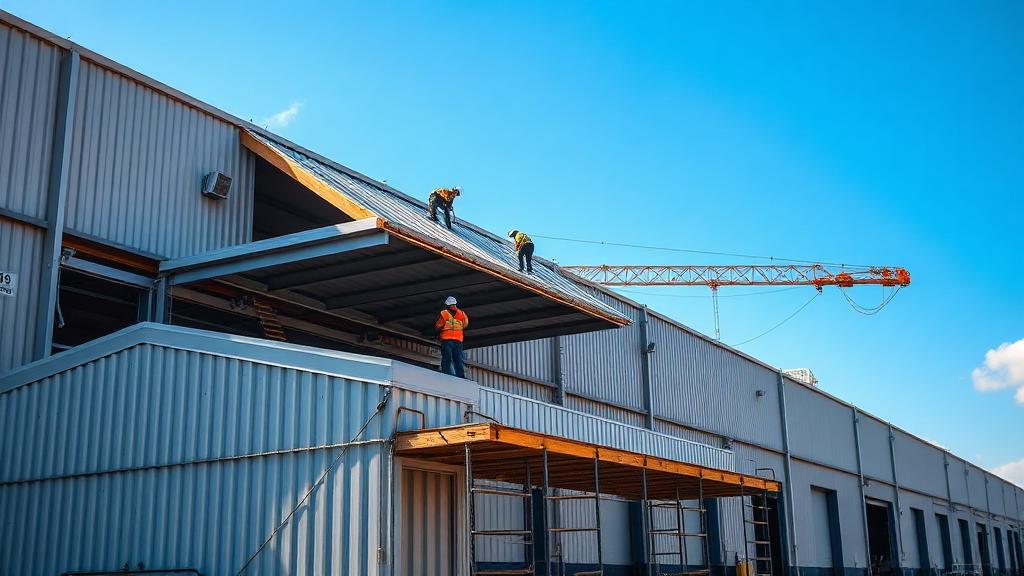
Tear-Off and Replace: Complete removal of existing roofing down to the deck, followed by new roof installation. Most comprehensive approach.
Recover/Overlay: New roofing installed over existing materials. Existing roof becomes part of the system.
Roof Coating: Applying protective coating over existing membrane. Extends life without adding another roof layer.
Partial Replacement: Replacing sections while retaining sound areas. Common after localized damage.
When Overlay Is Appropriate
Reroofing over existing materials works in specific situations.
Deck in Good Condition: The existing roof deck must be sound and capable of supporting additional weight.
No Moisture in System: Insulation and materials must be dry. Trapping moisture causes continued deterioration and voided warranties.
Single Existing Layer: Most codes limit roof layers. Buildings with one existing layer may allow a second.
Adequate Structural Capacity: The building structure must handle additional weight of new roofing.
Attachment Compatibility: New roofing must be attachable to existing surface appropriately.
Budget Constraints: When full replacement isn't financially feasible and overlay can provide reasonable service life.
When Replacement Is Necessary
Full replacement is required or preferable in these situations.
Wet Insulation: Moisture-saturated insulation must be removed. Overlaying traps moisture.
Deck Damage: Deteriorated decking must be accessed and replaced.
Multiple Existing Layers: Buildings at layer limits require tear-off before new installation.
Structural Concerns: If adding weight is problematic, lightweight replacement systems may be necessary.
Code Requirements: Some jurisdictions or situations require full tear-off.
Warranty Requirements: Manufacturer warranties often require tear-off for full warranty coverage.
Energy Upgrades: Adding insulation to meet current codes typically requires access to deck.
Cost Comparison
Economics significantly influence decisions.
Initial Cost Advantage: Overlay typically costs 30-50% less than full replacement by eliminating tear-off labor and disposal costs.
Lifecycle Considerations: Replacement provides longer service life than overlay. Calculate cost per year of service.
Energy Implications: Replacement allows insulation upgrades with ongoing energy savings. Overlay preserves existing insulation value.
Future Costs: Overlay leaves eventual tear-off for the future, potentially at higher costs.
Disruption Costs: Business disruption during roofing may favor faster overlay approach.
Evaluation Process
Systematic assessment guides the decision.
Core Sampling: Extract core samples to evaluate all roof layers, insulation condition, and moisture presence.
Moisture Surveys: Infrared or nuclear moisture surveys identify wet insulation locations.
Structural Assessment: Verify building can support additional weight if considering overlay.
Code Research: Determine applicable code requirements for your building and location.
Warranty Options: Compare available warranty coverage for each approach.
Hybrid Approaches
Combinations may optimize outcomes.
Partial Tear-Off: Remove wet or damaged sections while overlaying sound areas.
Tapered Overlay: Adding tapered insulation over existing improves drainage while providing thermal benefits.
Phased Replacement: Replace sections over multiple years to spread costs while prioritizing worst areas.
System Compatibility
Not all new systems work over all existing systems.
Membrane Compatibility: Certain new membranes aren't compatible over certain existing materials. Chemical interactions can occur.
Attachment Methods: New membrane attachment must work with existing surface conditions.
Expansion Considerations: Covering stressed or failing seams may result in telegraphing or continued movement.
Manufacturer Approval: Verify manufacturer approves proposed overlay configuration for warranty purposes.
Code Considerations
Building codes affect reroofing options.
Layer Limits: Most codes limit roof to two layers total. Existing multiple layers require tear-off.
Energy Code Triggers: Significant reroofing may trigger energy code compliance requiring insulation upgrades.
Fire Rating Requirements: New assemblies must meet required fire ratings.
Permit Requirements: Both overlay and replacement typically require permits.
Long-Term Perspective
Consider decisions in context of building plans.
Ownership Timeline: If selling soon, overlay may be practical. Long-term ownership favors quality replacement.
Building Future: Major renovations or expansions may make timing of roof work relevant.
HVAC Replacement: Coordinating roof work with HVAC replacement optimizes penetration details.
Sustainability Goals: Replacement typically offers better long-term environmental performance through improved efficiency.
Professional Guidance
Complex decisions benefit from expert input.
Roofing Consultants: Independent consultants provide unbiased assessment and recommendations.
Contractor Evaluations: Multiple qualified contractors can provide perspectives, though recognize potential bias.
Engineering Input: Structural concerns warrant engineering evaluation before decisions.
Conclusion
The reroofing versus replacement decision requires careful evaluation of roof conditions, building circumstances, budget, and long-term plans. Neither option is universally better; the right choice depends on specific situations. Invest in proper evaluation to make informed decisions protecting your building and budget.
Find commercial roofing contractors for expert evaluation and recommendations.