Common Roof Leak Sources and How to Fix Them
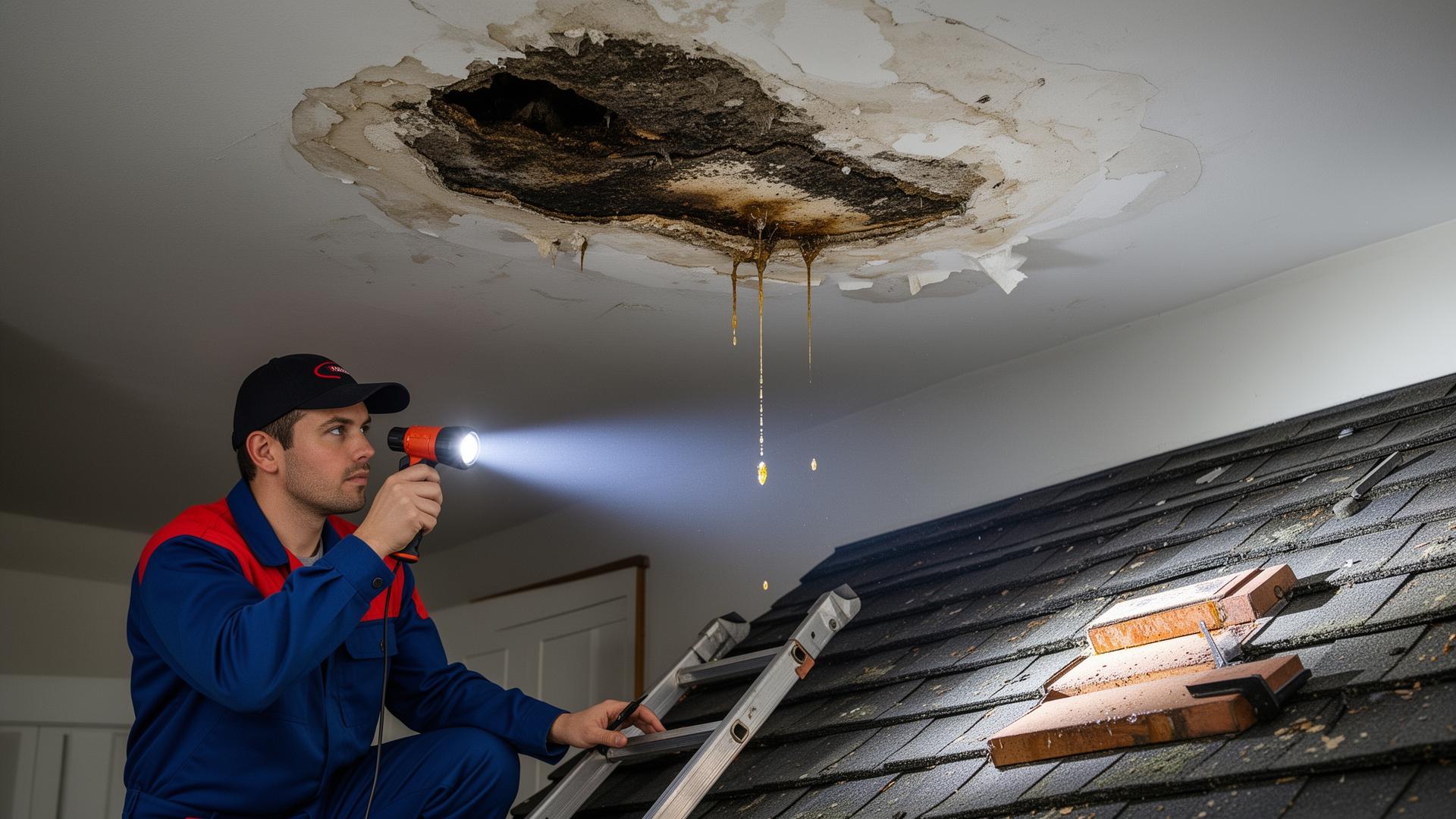
Roof leaks are among the most common and frustrating problems homeowners face. While water stains on ceilings and walls make leaks obvious, finding the actual source can be surprisingly challenging because water often travels far from its entry point before becoming visible inside your home. Understanding the most common leak sources helps you identify problems faster and communicate effectively with repair professionals.
Understanding How Water Enters
Before examining specific leak sources, understanding water behavior helps with diagnosis.
Water Travels: Water entering your roof rarely drips straight down. It follows rafters, sheathing, and other surfaces, often emerging far from the actual entry point. A leak appearing in the middle of a room might originate from the roof edge.
Intermittent Leaks: Some leaks only appear during specific conditions. Wind-driven rain can force water upward under shingles that shed normally falling rain. Ice dams create unique winter leak patterns. Heavy downpours overwhelm drainage that handles normal rain.
Multiple Entry Points: A single visible leak inside may have multiple roof entry points. Fixing one problem area does not always stop the leak if water is entering elsewhere.
Damaged or Missing Shingles
Shingle problems are the most visible and common leak source.
Wind Damage: High winds can lift, crack, or tear shingles completely off the roof. The exposed underlayment may hold temporarily but will eventually fail without protection.
Age Deterioration: Shingles lose flexibility and waterproofing capability as they age. Cracking, curling edges, and granule loss indicate shingles nearing the end of their useful life.
Impact Damage: Hail, falling branches, and foot traffic can crack or puncture shingles. Damage may not be immediately visible but creates leak pathways.
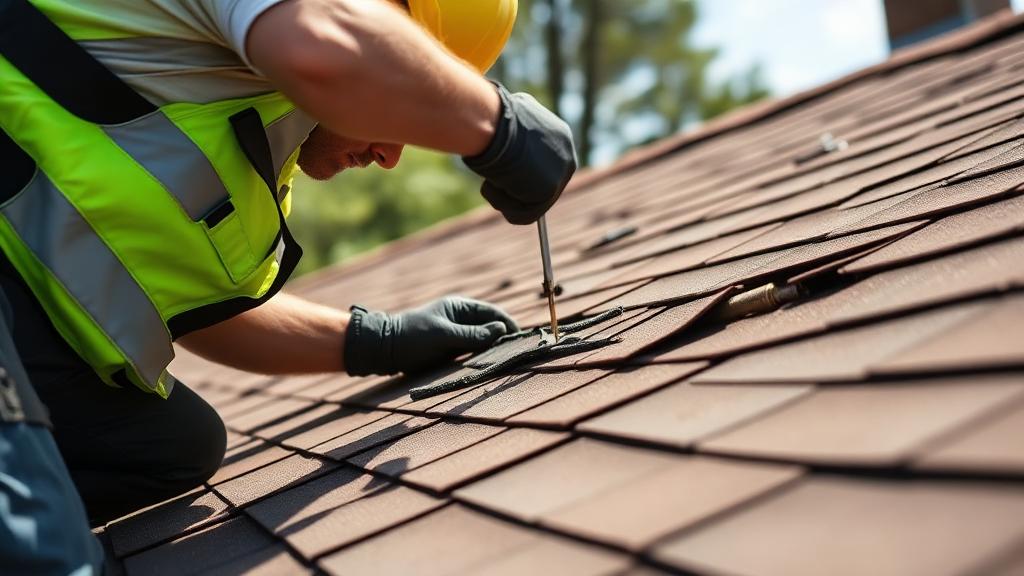
Repair Solution: Individual damaged shingles can be replaced without full roof replacement. Match new shingles as closely as possible to existing ones. For widespread damage or aged shingles, replacement of larger sections or the entire roof may be more cost-effective than repeated spot repairs.
Flashing Failures
Flashing seals joints and transitions where leaks are most likely to occur.
Chimney Flashing: The junction between chimneys and roofs is notoriously leak-prone. Step flashing along sides and counter flashing sealed into mortar joints must work together. Mortar deterioration, rust, and sealant failure are common issues.
Valley Flashing: Valleys where roof planes meet concentrate water flow. Valley flashing must extend properly under shingles on both sides and remain sealed at overlaps. Rust, debris accumulation, and inadequate overlap cause valley leaks.
Wall Flashing: Where roofs meet vertical walls, step flashing behind siding and kick-out flashing at ends prevents water from entering walls. Missing or incorrectly installed flashing causes hidden damage within walls.
Vent and Pipe Flashing: Every roof penetration requires flashing. Factory vent boots with rubber seals deteriorate over time, especially in sun-exposed locations.
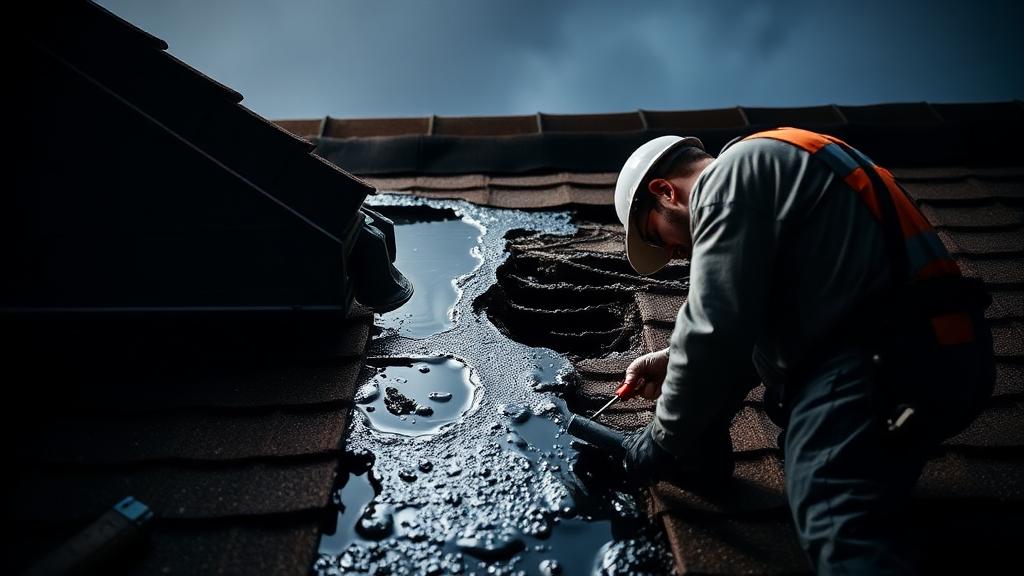
Repair Solution: Flashing repairs range from simple resealing to complete replacement. Temporary sealant repairs can buy time but eventual replacement is usually necessary. Quality flashing installation prevents problems for decades. Consider upgrading to more durable materials during repairs.
Vent Boot Deterioration
Rubber pipe boots around plumbing vents are a frequent leak source.
UV Damage: Sun exposure degrades rubber boots, causing cracking and brittleness. South-facing vents fail faster than shaded ones.
Temperature Cycling: Expansion and contraction from temperature changes stresses boot material and loosens seals around pipes.
Age Factors: Standard rubber boots typically last 10 to 15 years regardless of roof age. On older roofs with replaced shingles, original boots may remain and fail.
Repair Solution: Vent boot replacement is straightforward for accessible vents. Remove shingles around the boot, replace the boot, and reinstall shingles. Some metal and silicone boot options offer longer life than standard rubber. This repair is within DIY capability for confident homeowners on low-slope roofs.
Skylight Problems
Skylights create multiple potential leak points.
Flashing Issues: Like chimneys, skylights require proper flashing integration with surrounding shingles. Improper installation or flashing deterioration causes the majority of skylight leaks.
Seal Failures: The seal between glass and frame can fail, allowing water between panes or into the frame itself. This type of leak often appears as condensation inside the skylight.
Frame Deterioration: Wood and composite skylight frames can rot or deteriorate, compromising waterproofing. Metal frames may corrode.
Weep Hole Blockage: Skylights have drainage systems that can become blocked with debris, causing water to back up and enter the home.
Repair Solution: Flashing problems require shingle removal and reflashing. Seal and frame issues may require skylight replacement, which often makes sense given the difficulty of accessing the area. When replacing skylights, consider curb-mounted designs that are less leak-prone than deck-mounted options.
Ice Dam Damage
In cold climates, ice dams cause unique leak patterns.
How Ice Dams Form: Heat escaping through poorly insulated attics melts snow on the upper roof. Meltwater runs down to the colder eaves, refreezes, and forms ice dams that trap water behind them.
Water Intrusion: Trapped water backs up under shingles where it was never designed to go. Standard underlayment may not stop water that is not draining normally.
Damage Locations: Ice dam leaks typically appear near exterior walls and in soffits. Water staining may not become visible until spring when frozen intrusion melts.
Repair Solution: Immediate repair involves ice dam removal and addressing active leaks. Long-term prevention requires improving attic insulation and ventilation to keep roof surfaces cold. Ice and water shield membrane should extend at least 24 inches past exterior walls in cold climates.
Clogged Gutters
While not technically roof leaks, gutter problems cause roof-related water damage.
Overflow Issues: Clogged gutters cause water to overflow onto fascia, soffit, and siding. Over time, this damages wood components and can cause water to enter behind siding.
Ice Dams: Clogged gutters contribute to ice dam formation by preventing proper drainage of snowmelt.
Foundation Problems: Water overflowing near foundations can cause basement leaks and structural issues that may be incorrectly attributed to roof problems.
Repair Solution: Regular gutter cleaning prevents problems. Gutter guards reduce maintenance but require periodic cleaning themselves. Ensure downspouts direct water well away from foundations.
Attic Condensation
Not all ceiling water damage comes from external leaks.
Condensation Sources: Inadequate attic ventilation traps warm, moist air that condenses on cold surfaces. Bathroom and kitchen exhaust vented into attics rather than outside introduces massive moisture.
Appearance: Condensation damage often appears as widespread staining rather than localized drips. Mold growth in attics is common with condensation issues.
Diagnosis: Condensation problems typically occur in cold weather when temperature differentials are greatest. If leaks appear only when temperatures drop and no precipitation is occurring, condensation is likely.
Repair Solution: Address ventilation deficiencies and ensure all exhaust fans vent outside. Adding insulation without proper vapor barriers can worsen condensation. Professional assessment may be needed for persistent problems.
Finding the Leak Source
Locating exactly where water enters often requires investigation.
Attic Inspection: On a rainy day or shortly after, check your attic for active drips or wet spots. Follow water trails upward toward their source. Mark locations with visible reference points.
Hose Testing: On dry days, have a helper spray sections of the roof with a hose while you watch for water inside. Start low and work up, testing one area at a time.
Measure and Mark: Measure from the leak location inside to reference points like chimneys or vents. Transfer these measurements to the roof exterior to narrow your search.
Professional Inspection: Experienced roofers can often identify leak sources quickly based on damage patterns and knowledge of common failure points. Consider professional help for elusive or multiple leaks.
When to Repair vs Replace
Individual repairs make sense for localized damage on otherwise sound roofs. Consider replacement when repairs become frequent, underlying components are damaged, the roof is approaching expected lifespan, or widespread issues exist.
Find qualified roofing professionals in your area for comprehensive inspections and repair recommendations.
Conclusion
Understanding common leak sources helps homeowners identify problems faster, communicate effectively with contractors, and make informed repair decisions. While some repairs are suitable for DIY approaches, many leak sources require professional expertise to properly diagnose and permanently repair. Regular inspections and prompt attention to small problems prevent the significant damage that unaddressed leaks cause over time.