Complete Guide to Hiring Florida Roofing Contractors: What Homeowners Must Know
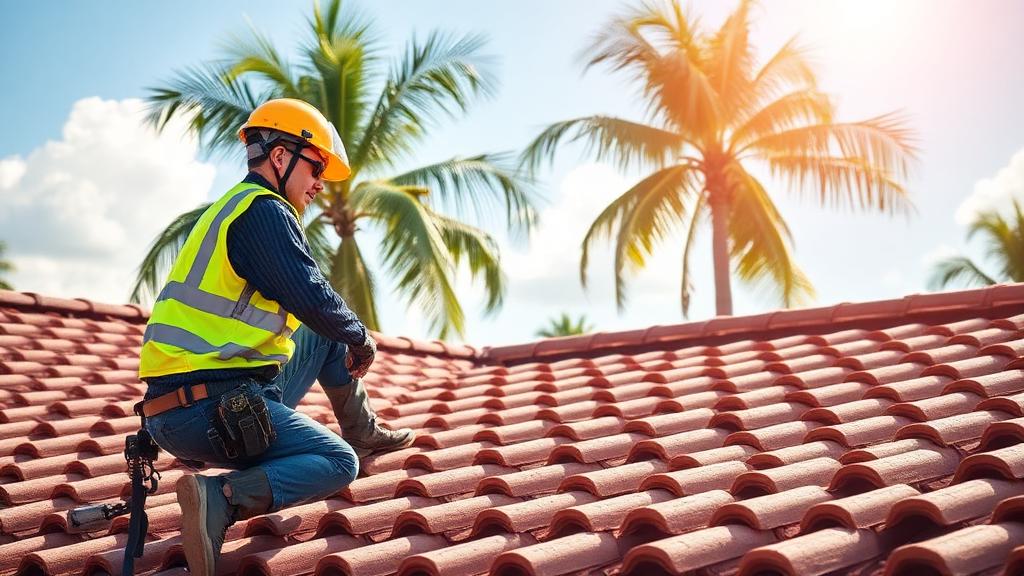
Florida homeowners face unique challenges when hiring roofing contractors. The combination of extreme weather, strict building codes, and unfortunately, a high number of unlicensed operators makes finding a qualified roofer essential. This comprehensive guide walks you through every step of hiring a roofing contractor in the Sunshine State.
Understanding Florida Roofing Contractor Licensing
Florida has some of the strictest roofing contractor licensing requirements in the nation, designed to protect homeowners from unqualified work and storm-chaser scams.
State License Requirements
All roofing contractors in Florida must hold either a State Certified Roofing Contractor license or a State Registered Roofing Contractor license. The certified license allows work anywhere in Florida, while registered contractors can only work in specific counties where they have registered.
To obtain a state roofing license, contractors must pass a comprehensive examination covering Florida building codes, business practices, and roofing techniques. They must also demonstrate financial responsibility through bonding and insurance requirements.
Verifying Contractor Licenses
Before hiring any roofing contractor, verify their license through the Florida Department of Business and Professional Regulation (DBPR) website. Enter the contractor name or license number to confirm the license is active, check for any disciplinary actions, verify insurance and bonding status, and confirm the license type matches your project location.
Never accept a business card or verbal claim as proof of licensing. Legitimate contractors expect verification and readily provide license numbers.
Insurance Requirements for Florida Roofers
Florida law requires roofing contractors to maintain specific insurance coverage. Understanding these requirements protects you from liability.
Required Insurance Types
General liability insurance must be at least $300,000 per occurrence. This covers property damage and injuries that occur during the project. Workers compensation insurance covers all employees and is required for contractors with one or more employees. Ask for certificates of insurance directly from the insurance company, not just copies from the contractor.
Why Insurance Verification Matters
If an uninsured or underinsured contractor causes damage to your property or a worker is injured, you could be held financially responsible. Florida courts have held homeowners liable for injuries to uninsured workers on their property.
Request current certificates of insurance before work begins and verify coverage dates extend beyond your project timeline. Call the insurance company directly to confirm policies are active and in good standing.
Hurricane and Storm Considerations
Floridas hurricane exposure makes roofing work particularly critical. Your contractor must understand and comply with current Florida Building Code hurricane requirements.
Florida Building Code Compliance
Since Hurricane Andrew in 1992, Florida has continuously strengthened its building codes. Current requirements include specific wind resistance ratings based on your location, secondary water barrier requirements in certain zones, enhanced attachment methods for roofing materials, and approved product lists for materials used in high-velocity hurricane zones.
Your contractor should explain how your new roof will meet or exceed these requirements. Ask about the products wind rating, the attachment method being used, and whether secondary water barriers are required in your area.
High-Velocity Hurricane Zone (HVHZ) Requirements
Miami-Dade and Broward counties have even stricter requirements than the rest of Florida. Contractors working in these areas must use products tested and approved specifically for HVHZ installation. These products carry Miami-Dade NOA (Notice of Acceptance) numbers that you can verify online.
Red Flags and Scam Prevention
Florida unfortunately attracts roofing scams, particularly after major storms when homeowners are vulnerable and in need of quick repairs.
Warning Signs to Watch For
Be wary of contractors who appear unsolicited after storms offering free inspections, request large deposits before starting work, pressure you to sign contracts immediately, offer to waive your insurance deductible, cannot provide local references, have out-of-state license plates or contact information, or refuse to provide written estimates and contracts.
Storm Chaser Scams
After hurricanes, unlicensed contractors flood into Florida promising quick repairs at low prices. These storm chasers often take deposits and disappear, perform substandard work, lack proper licensing and insurance, and void manufacturer warranties through improper installation.
Stick with established local contractors who have verifiable histories in your community. Their reputation depends on satisfied customers, giving them incentive to perform quality work.
Getting and Comparing Quotes
Obtaining multiple quotes helps ensure fair pricing and reveals differences in proposed solutions.
What Quotes Should Include
Comprehensive roofing quotes should specify complete scope of work including tear-off and disposal, specific materials to be used with manufacturer names, timeline for completion, payment schedule tied to milestones, warranty information for both materials and labor, permit responsibility and costs, and cleanup and debris removal details.
Comparing Quotes Effectively
The lowest price rarely represents the best value. Compare quotes based on material quality and specifications, contractor experience and reputation, warranty terms, timeline and crew size, and payment terms.
A significantly lower quote often indicates inferior materials, unlicensed labor, or hidden costs that will appear later.
Contract Essentials
Florida law provides specific protections for homeowners, but only if you have a proper written contract.
Required Contract Elements
Florida contracts for home improvement work over $2,500 must include the contractors full legal name and license number, total price and payment schedule, start and completion dates, detailed description of work and materials, and your right to cancel within three business days.
Additional Protections to Include
Beyond legal requirements, your contract should specify lien waiver requirements as work progresses, change order procedures and pricing, daily cleanup expectations, insurance certificate attachment, and permit responsibility.
Never sign a contract with blank spaces that could be filled in later. If changes are needed, create a formal change order signed by both parties.
Payment Best Practices
How you structure payments significantly affects your protection during the project.
Recommended Payment Schedule
Limit initial deposits to 10-20 percent of the project cost. Schedule remaining payments tied to completion milestones such as materials delivery, project 50 percent complete, and final completion. Retain 10-15 percent until the final inspection and your satisfaction.
Florida law limits deposits that contractors can require, so be suspicious of anyone demanding more than one-third upfront.
Protecting Your Investment
Never pay cash or make checks payable to individuals rather than the company. Keep detailed records of all payments and document work progress with photos before each payment is released. Ensure all subcontractors and suppliers are paid to prevent liens.
Working With Insurance Claims
Many Florida roofing projects involve insurance claims for storm damage. Understanding this process protects your interests.
Contractor Role in Insurance Claims
Your contractor can help document damage, provide repair estimates, and meet with adjusters. However, they should never sign your insurance claim documents, negotiate directly with your insurer without your presence, or promise specific insurance outcomes.
Assignment of Benefits Considerations
Florida has seen significant abuse of Assignment of Benefits (AOB) agreements, where contractors take over your insurance claim rights. While recent legislation has limited some abuses, be cautious about signing any documents that transfer your rights to the contractor.
Conclusion
Hiring the right roofing contractor in Florida requires due diligence, but the effort protects your home and investment. Start with license verification, confirm insurance coverage, get multiple detailed quotes, and insist on comprehensive contracts.
Ready to find qualified roofing contractors? Browse verified Florida roofing professionals in Miami, Tampa, Orlando, Jacksonville, and communities throughout the Sunshine State.