Metal Roofing in Florida: Benefits, Costs, and Hurricane Performance
Metal roofing has surged in popularity across Florida as homeowners recognize its superior performance in the states challenging climate. From hurricane resistance to energy efficiency, metal roofs offer compelling advantages that justify their higher upfront cost. This guide covers everything Florida homeowners need to know about metal roofing.
Why Metal Roofing Excels in Florida
Floridas combination of hurricanes, intense sun, salt air, and heavy rainfall creates demanding conditions that metal roofing handles exceptionally well.
Hurricane and Wind Resistance
Metal roofing consistently outperforms other materials in hurricane conditions. Standing seam metal roofs with concealed fasteners achieve wind ratings of 150 mph or higher. The interlocking panel design creates a continuous surface that resists uplift forces. Unlike shingles that can be peeled back by wind, metal panels maintain their integrity during storms.
After major hurricanes, insurance industry studies consistently show metal roofs suffer less damage than asphalt shingle roofs. This performance record has led many Florida insurers to offer premium discounts for metal roofing.
Heat and Sun Performance
Floridas intense sun degrades many roofing materials quickly. Metal roofing with reflective coatings bounces solar radiation away from your home, reducing cooling costs by 10-25 percent. Cool metal roofing products with high solar reflectance and thermal emittance carry Energy Star certification.
Unlike asphalt shingles that absorb and retain heat, metal roofs cool quickly after sunset. This characteristic reduces the thermal stress on your home and air conditioning system during hot Florida nights.
Salt Air Resistance
Coastal Florida locations expose roofs to corrosive salt air. Modern metal roofing systems use aluminum or galvanized steel with factory-applied coatings specifically engineered for coastal environments. These coatings include zinc and aluminum alloys for corrosion resistance, ceramic or stone granule surfaces, and PVDF or Kynar fluoropolymer finishes.
When properly specified for coastal installation, metal roofs resist salt air corrosion for decades. Ask about warranty coverage specifically for coastal environments.
Rain and Water Management
Floridas heavy rainfall during summer months demands effective water shedding. Metal roofs channel water efficiently to gutters without the absorption issues that affect some materials. The smooth surface resists moss and algae growth common in Floridas humid climate.
Metal Roofing Styles for Florida Homes
Metal roofing comes in various styles to match different architectural preferences and budgets.
Standing Seam Metal Roofing
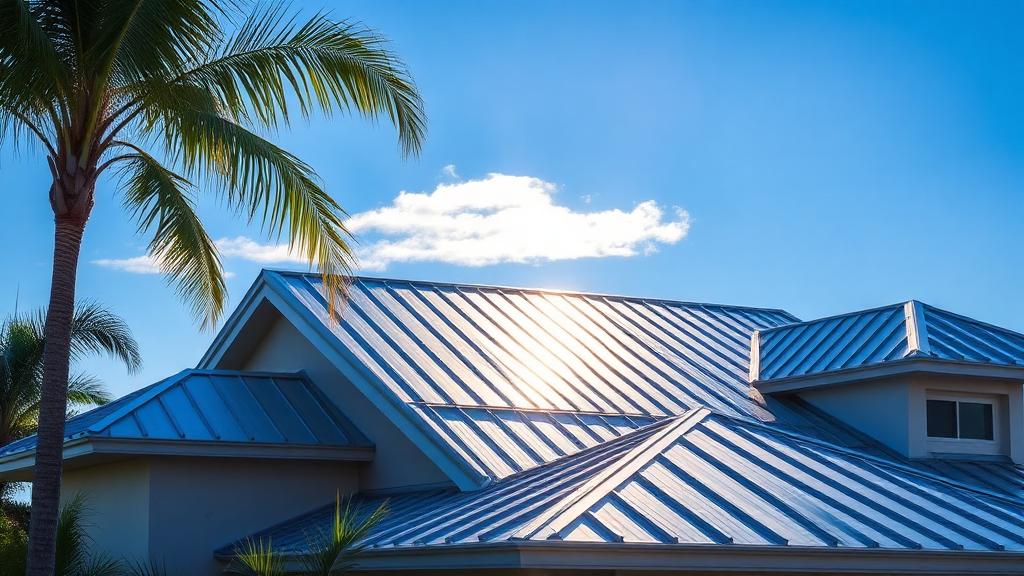
Standing seam systems feature raised seams that connect adjacent panels. This design conceals fasteners from weather exposure and allows thermal movement without stress. Standing seam is the premium choice for hurricane resistance and longevity.
Cost typically ranges from $12-$18 per square foot installed in Florida. The higher price reflects superior materials and more complex installation. Warranties often extend 30-50 years.
Metal Shingles and Tiles
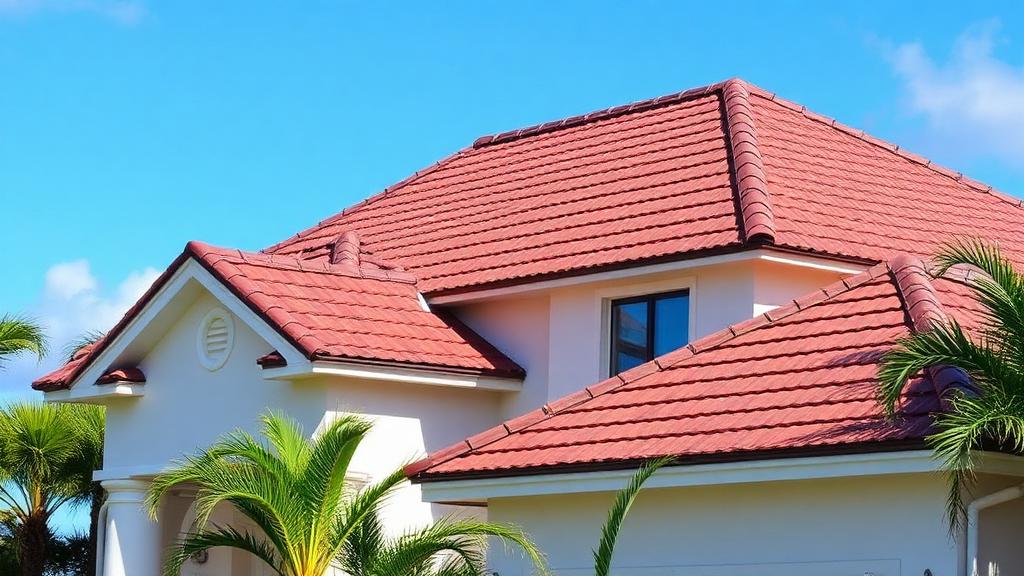
Metal shingles mimic the appearance of traditional asphalt shingles or slate while providing metal durability. Metal tiles replicate the look of clay or concrete tile popular in Florida Spanish-style architecture.
These styles cost $9-$14 per square foot installed, less than standing seam but more than asphalt shingles. They offer good hurricane performance with proper installation and achieve Class 4 impact ratings.
Corrugated Metal Panels
Exposed fastener corrugated panels provide economical metal roofing for secondary structures, agricultural buildings, and budget-conscious projects. While less expensive at $6-$10 per square foot, exposed fasteners require more maintenance and have shorter effective lifespans.
For primary residences in hurricane zones, standing seam or metal shingles provide better long-term value despite higher initial cost.
Cost Analysis for Florida Homeowners
Understanding the complete cost picture helps evaluate metal roofing value compared to alternatives.
Initial Installation Costs
For an average 2,000 square foot Florida home, expect the following installed costs. Standing seam metal runs $24,000-$36,000. Metal shingles or tiles cost $18,000-$28,000. Premium asphalt shingles for comparison run $12,000-$18,000.
These costs include tear-off of existing roofing, new underlayment appropriate for metal installation, the roofing material itself, and labor for professional installation.
Long-Term Value Comparison
Metal roofings 40-70 year lifespan changes the value equation dramatically. While you might install 2-3 asphalt shingle roofs during a metal roofs lifetime, you install metal once. Factor in reduced maintenance, lower energy bills from reflective surfaces, potential insurance premium reductions, and increased home resale value.
For homeowners planning to stay in their homes long-term, metal roofing often provides the best lifetime value despite higher initial cost.
Financing Options
Metal roofing qualifies for various financing approaches. Home equity loans offer lower interest rates for larger projects. PACE financing allows repayment through property taxes. Some utilities offer energy efficiency financing for cool roof installations. Many contractors offer in-house financing options.
Choosing the Right Metal Roof for Your Home
Several factors influence the best metal roofing choice for your specific situation.
Material Selection
Aluminum offers the best corrosion resistance for coastal locations and lighter weight that works well on older structures. It costs more than steel but eliminates corrosion concerns entirely.
Galvanized steel with appropriate coatings provides excellent value for inland Florida locations. The zinc coating protects against rust, while paint systems provide color and additional protection.
Galvalume, a steel coated with aluminum-zinc alloy, combines steels strength with enhanced corrosion resistance. Many standing seam systems use Galvalume as the base material.
Color and Coating Considerations
Color choice affects both aesthetics and performance. Lighter colors reflect more solar radiation, reducing cooling costs. However, darker colors may better suit your homes architecture or HOA requirements.
Look for coatings with high solar reflectance index (SRI) values, and cool roof certifications from Energy Star or the Cool Roof Rating Council. These products reduce heat gain regardless of color.
Profile and Style Selection
Consider your homes architectural style when choosing metal roofing profiles. Standing seam suits modern and contemporary designs. Metal tiles complement Mediterranean and Spanish architecture. Metal shingles work well with traditional and transitional styles.
Installation Best Practices
Proper installation is essential for metal roofing performance in Floridas demanding climate.
Underlayment Requirements
Florida building code requires specific underlayment systems for metal roofing in hurricane zones. Synthetic underlayment rated for metal roofing use provides the best combination of protection and longevity. Self-adhering underlayment may be required as a secondary water barrier in some areas.
Ventilation Considerations
Metal roofs require proper ventilation to prevent condensation issues. Ridge and soffit ventilation systems allow airflow that removes heat and moisture. In Florida's humid climate, adequate ventilation prevents condensation problems that can affect insulation and structure.
Fastening Methods
Proper fastening determines hurricane performance. Standing seam systems use hidden clips that allow thermal movement while maintaining secure attachment. Metal shingles and tiles require specific nailing patterns and clip systems. All fasteners must be corrosion-resistant for Florida conditions.
Finding Qualified Metal Roofing Contractors
Metal roofing requires specialized skills that not all roofers possess.
What to Look For
Seek contractors with manufacturer certifications for the specific products you are considering, documented experience with metal roofing in Florida conditions, proper Florida roofing contractor licensing, and references from metal roofing projects similar to yours.
Questions to Ask
Before hiring, ask about their experience with your chosen metal roofing system, how they handle thermal expansion in long panel runs, what underlayment and flashing systems they use, and what warranty they provide on installation.
Conclusion
Metal roofing represents an excellent investment for Florida homeowners who want long-lasting protection against hurricanes, heat, and humidity. While initial costs exceed asphalt shingles, the combination of longevity, energy savings, and insurance benefits often makes metal the most economical long-term choice.
Choose products rated for Florida conditions, work with experienced installers, and enjoy decades of protection from a roofing system designed to handle everything Floridas climate delivers.
Ready to explore metal roofing for your Florida home? Connect with qualified metal roofing specialists in Tampa, Orlando, Jacksonville, and throughout the state.