Hurricane-Proof Roofing in Florida: Materials, Codes, and Best Practices
Living in Florida means preparing for hurricanes is not optional. Your roof is your homes first line of defense against these powerful storms, and choosing the right materials and installation methods can mean the difference between minor repairs and catastrophic damage. This guide covers everything Florida homeowners need to know about hurricane-proof roofing.
Understanding Florida Hurricane Zones
Florida divides its territory into different wind zones based on historical hurricane data and risk assessment. Your location determines the minimum requirements for your roof.
Wind Speed Zones
The Florida Building Code establishes design wind speeds for different areas. South Florida, including Miami-Dade, Broward, and portions of Palm Beach County, faces the highest requirements with design wind speeds of 170-180 mph. Central Florida generally requires 130-150 mph ratings, while North Florida typically requires 120-140 mph ratings.
These design wind speeds represent three-second gusts, not sustained winds. Your roof must withstand these momentary peak forces without failure.
High-Velocity Hurricane Zone (HVHZ)
Miami-Dade and Broward counties fall within the HVHZ, which has the strictest building requirements in the United States. Products used in these counties must undergo rigorous testing and receive a Notice of Acceptance (NOA) from Miami-Dade County.
Even if you live outside the HVHZ, choosing products that meet these standards provides additional protection for your home.
Wind Resistance Ratings Explained
Understanding wind ratings helps you choose appropriate materials for your location and risk tolerance.
ASTM D3161 and D7158 Testing
Roofing materials undergo standardized testing to determine wind resistance. ASTM D3161 Class F materials resist winds up to 110 mph, while Class G materials resist winds up to 150 mph. ASTM D7158 provides additional classifications with Class D resisting 90 mph, Class G resisting 120 mph, and Class H resisting 150 mph.
Understanding Product Labels
When shopping for roofing materials, look for wind speed ratings on product specifications, Miami-Dade NOA numbers for HVHZ compliance, Florida Product Approval numbers showing state acceptance, and UL listings for additional quality verification.
Hurricane-Resistant Roofing Materials
Certain roofing materials perform better in hurricanes than others. Understanding your options helps you make informed decisions.
Metal Roofing
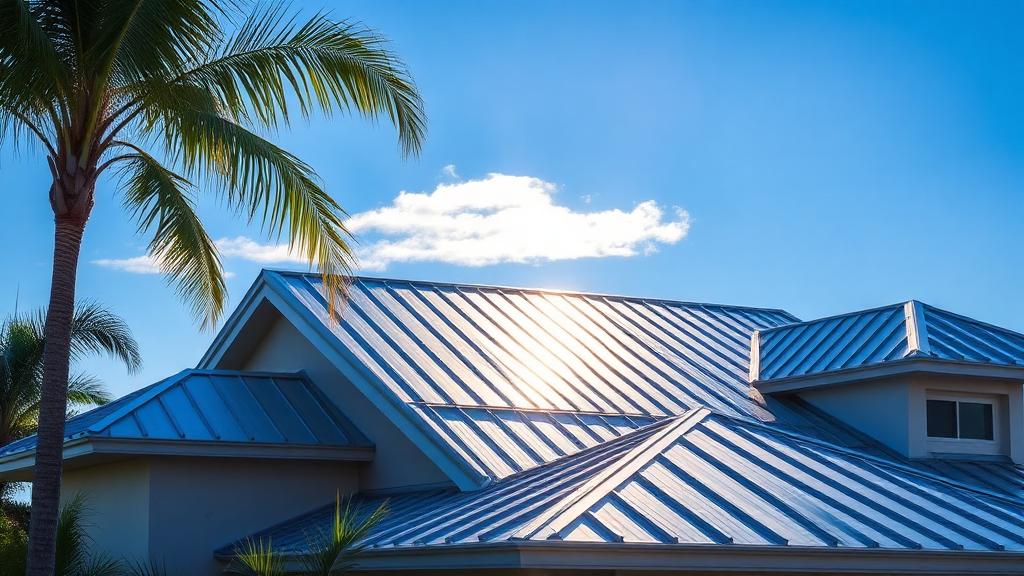
Metal roofing consistently performs well in hurricanes when properly installed. Standing seam metal roofs with concealed fasteners resist uplift forces effectively. The interlocking panels and continuous seams minimize entry points for wind-driven rain.
Key advantages include wind ratings exceeding 150 mph when properly installed, resistance to impact damage from flying debris, long lifespan of 40-70 years reducing replacement frequency, and fire resistance providing additional protection.
For more details, see our Florida metal roofing guide.
Concrete and Clay Tile
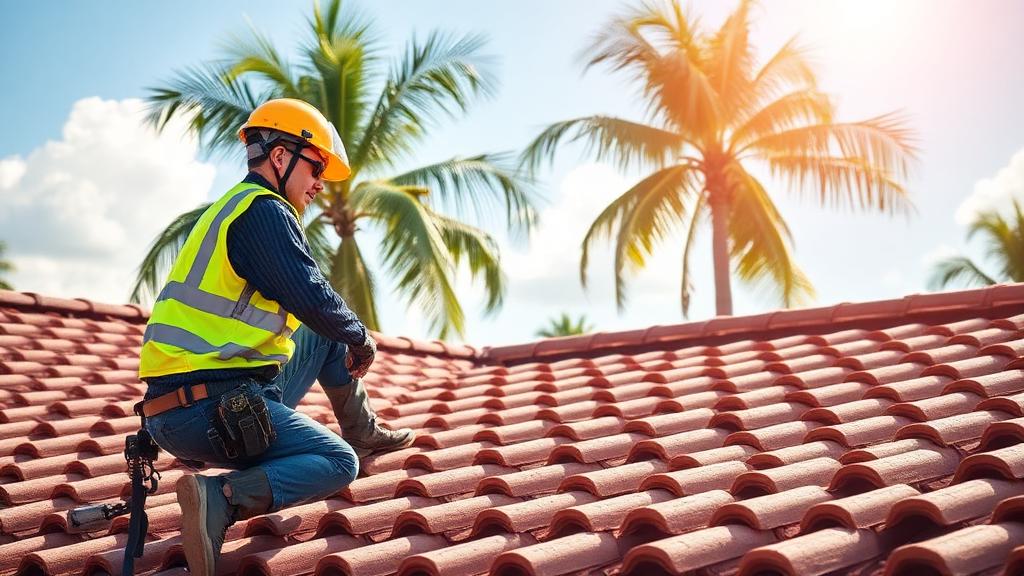
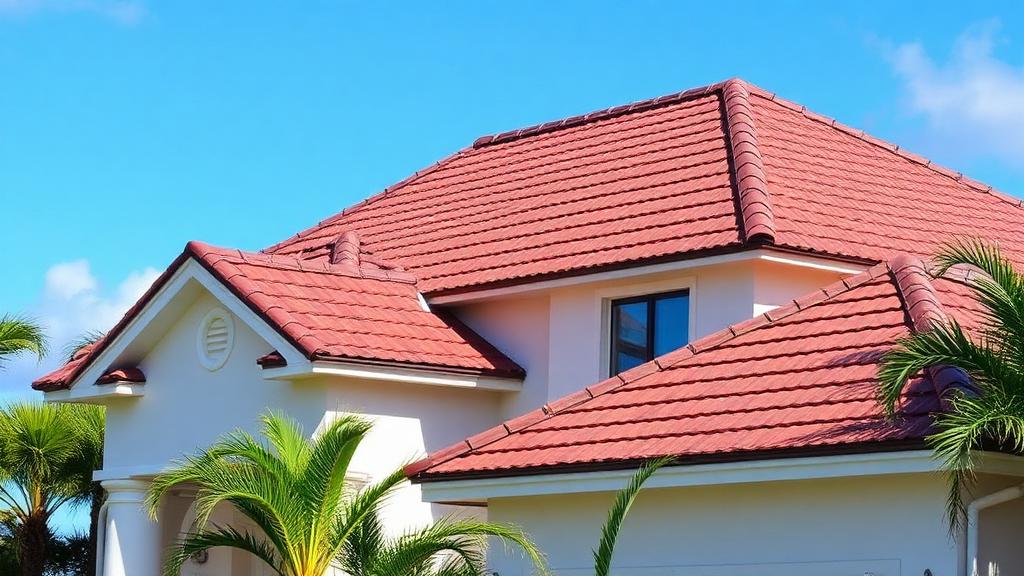
Tile roofing has a long history in Florida and performs well when installed with modern hurricane clips and adhesive systems. The weight of tile provides natural resistance to uplift, but proper attachment is essential.
Tile benefits include excellent wind performance with proper installation, long lifespan often exceeding 50 years, natural resistance to salt air corrosion, and traditional Florida aesthetic appeal.
Learn more in our Florida tile roofing guide.
Impact-Resistant Shingles
Modern asphalt shingles designed for hurricane zones offer excellent protection at lower cost than tile or metal. Look for products with Class 4 impact ratings indicating hail resistance, high wind ratings of 130 mph or higher, enhanced adhesive strips for wind resistance, and Miami-Dade NOA approval for HVHZ installations.
Critical Installation Practices
Even the best materials fail if improperly installed. Florida building codes specify installation methods that are essential for hurricane performance.
Roof Deck Attachment
The connection between your roof deck and structural framing is critical. Florida code requires specific nailing patterns for roof sheathing. Ring-shank nails or screws provide better pull-out resistance than smooth nails. Closer nail spacing of 4 inches on edges and 6 inches in the field is required in high-wind zones.
If your existing roof deck shows signs of deterioration, replacement during re-roofing provides an opportunity to upgrade to current code requirements.
Secondary Water Barrier
Florida requires secondary water barriers in certain areas to protect against water intrusion if the primary roofing is damaged. Options include self-adhering modified bitumen underlayment, foam adhesive applied to underlayment, and closed-cell spray foam on the underside of decking.
This secondary barrier prevents water damage even if shingles or tiles are blown off during a hurricane.
Roofing Material Attachment
How roofing materials attach to the deck determines their wind resistance. For shingles, six-nail patterns provide better performance than four-nail patterns. For tile, hurricane clips or adhesive foam provide mechanical attachment. For metal roofing, proper clip spacing and seam engagement is essential.
Roof Shape and Hurricane Performance
Your roofs geometry affects its hurricane performance independently of materials used.
Hip vs. Gable Roofs
Hip roofs, which slope on all four sides, generally perform better in hurricanes than gable roofs. The aerodynamic shape reduces uplift forces. If you have a gable roof, reinforcing the gable ends with bracing can improve performance.
Roof Slope Considerations
Roof slope affects both wind loading and water shedding. Slopes between 4:12 and 6:12 generally provide good performance. Very steep roofs can experience increased wind loading, while very low slopes may have water drainage issues.
Overhangs and Eaves
Large overhangs catch wind and can be torn from the structure during hurricanes. Florida code limits overhang dimensions in high-wind zones. If your existing overhangs exceed code limits, reinforcement or reduction during re-roofing improves storm performance.
Preparing Your Roof for Hurricane Season
Beyond proper construction, regular maintenance and preparation protect your roof during storms.
Pre-Season Inspection
Before hurricane season begins June 1, inspect your roof for loose or damaged shingles or tiles, deteriorated flashing around penetrations, clogged gutters and downspouts, overhanging tree branches, and signs of previous repairs that may need attention.
Address any issues before storm season when contractors are available and not overwhelmed with emergency repairs.
Emergency Preparation
When a hurricane threatens, take steps to minimize damage. Secure or remove loose items from your roof and yard. If you have time and capability, apply temporary reinforcement to vulnerable areas. Document your roofs condition with photos before the storm arrives.
Insurance Considerations
Your roofing choices directly affect your homeowners insurance in Florida.
Wind Mitigation Discounts
Florida law requires insurers to offer discounts for homes with hurricane-resistant features. A wind mitigation inspection documents roof covering type and condition, roof deck attachment method, roof-to-wall connections, secondary water barrier presence, and opening protection.
Homes with newer roofs meeting current code often receive significant premium reductions. These discounts can offset some of the cost of roof upgrades.
My Safe Florida Home Program
Florida offers programs to help homeowners improve hurricane resistance. Check current availability of inspection programs, matching grants for improvements, and free wind mitigation inspections.
Conclusion
Hurricane-proof roofing in Florida requires the right materials, proper installation methods, and regular maintenance. While no roof is truly hurricane-proof, following Florida Building Code requirements and best practices significantly reduces your risk of storm damage.
Invest in quality materials installed by licensed Florida contractors who understand hurricane zone requirements. The upfront investment in proper roofing protects your home and family while potentially reducing insurance costs.
Ready to upgrade your roofs hurricane resistance? Find qualified contractors in your Florida community who specialize in storm-resistant roofing systems.