Florida Tile Roofing: Complete Guide to Clay and Concrete Tile
Tile roofing has been a Florida tradition since Spanish colonial times, and modern tile systems continue to dominate many Florida neighborhoods. The combination of durability, hurricane resistance, and Mediterranean aesthetic makes tile a popular choice across the Sunshine State. This comprehensive guide covers everything you need to know about tile roofing in Florida.
Understanding Tile Roofing Materials
Florida homeowners primarily choose between clay and concrete tile, each with distinct characteristics.
Clay Tile Roofing
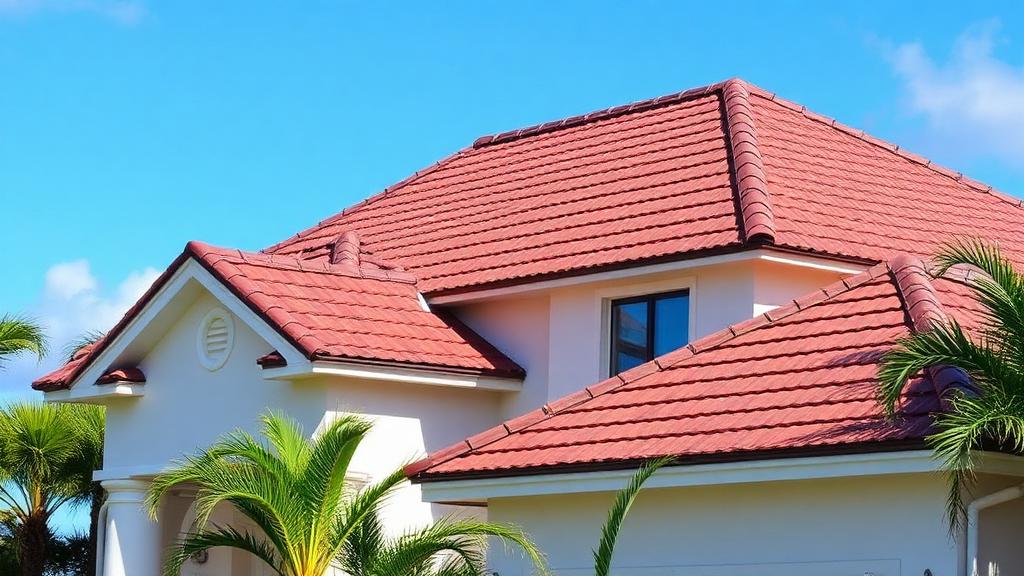
Clay tiles are made from natural clay fired at high temperatures, creating a dense, durable roofing material. Traditional clay tiles have protected Florida buildings for over a century, with some original installations still functional today.
Key characteristics include a natural terra cotta color that never fades since color extends through the material, exceptional longevity often exceeding 75-100 years, lighter weight than concrete tile, excellent resistance to salt air and humidity, and premium pricing reflecting material and manufacturing costs.
Clay tile works especially well in traditional Spanish, Mediterranean, and Mission-style architecture common throughout Florida.
Concrete Tile Roofing
Concrete tiles are manufactured from Portland cement, sand, and water, offering similar aesthetics to clay at lower cost. Modern concrete tiles are engineered specifically for Florida conditions.
Concrete tile features include a wide range of colors and profiles available, good longevity of 40-60 years with proper maintenance, heavier weight requiring structural consideration, excellent hurricane resistance when properly installed, and more affordable pricing than clay options.
Concrete tile can mimic clay tile appearance, slate, wood shake, or contemporary profiles, providing versatile design options.
Clay vs Concrete Comparison
Both materials perform well in Florida, but differences matter for specific situations. For longevity, clay wins at 75-100 plus years versus concrete at 40-60 years. For initial cost, concrete is more affordable at $10-$18 per square foot versus clay at $15-$25 per square foot. For weight, clay is lighter at 600-900 pounds per square versus concrete at 900-1200 pounds per square. For color retention, clay is superior with integral color versus concrete which may fade over decades. For style options, concrete offers more variety while clay tends toward traditional profiles.
Hurricane Performance of Tile Roofing
Properly installed tile roofing performs exceptionally well in Florida hurricanes, but installation quality is critical.
How Tile Resists Hurricane Forces
Tile roofs resist hurricanes through several mechanisms. The weight of tile provides natural resistance to uplift, the interlocking profiles prevent individual tiles from lifting, mechanical fasteners and clips secure tiles to the deck, and adhesive foam systems bond tiles to underlayment.
Modern Florida installations combine these approaches for redundant protection. Even if one system is compromised, others continue protecting your home.
Florida Building Code Requirements
Florida Building Code specifies tile installation requirements based on wind zone. Requirements include specific nail or screw sizes and spacing, hurricane clips or straps for perimeter tiles, adhesive foam systems in high-wind zones, and enhanced attachment for hip and ridge tiles.
High-Velocity Hurricane Zones like Miami-Dade and Broward counties require products with Miami-Dade NOA approval and specific installation methods tested for extreme conditions.
Real-World Hurricane Performance
After major hurricanes, tile roofs generally suffer less damage than asphalt shingle roofs when both are properly installed. Common failure modes include broken tiles from impact rather than wind, tile displacement when installed without proper fastening, and underlayment failure if tiles are lost.
The key is proper installation by contractors experienced with Florida tile roofing requirements. Improperly installed tile provides little advantage over other materials.
Cost Analysis for Florida Homes
Understanding complete costs helps homeowners make informed decisions.
Installation Cost Breakdown
For an average 2,000 square foot Florida home, expect these installed costs. Concrete tile runs $20,000-$36,000. Clay tile costs $30,000-$50,000. Premium imported tiles can exceed $60,000. These costs include tear-off, underlayment, tile, installation labor, and associated trim and flashing.
Long-Term Value Considerations
Tile roofings long lifespan changes the value equation compared to shorter-lived materials. A clay tile roof lasting 75 years costs less per year than asphalt shingles replaced every 15-20 years. Concrete tiles provide 40-60 year service life at moderate initial cost.
Additional value factors include increased home resale value, potential insurance premium discounts, reduced cooling costs from natural ventilation, and minimal maintenance requirements.
Insurance Considerations
Many Florida insurers recognize tile roofings hurricane resistance and offer premium discounts. The amount varies by insurer and your homes overall wind mitigation features. A wind mitigation inspection documents your roofs construction for maximum available discounts.
Structural Considerations
Tile roofing weighs significantly more than asphalt shingles, requiring structural evaluation before installation.
Weight Comparisons
Asphalt shingles weigh approximately 250-350 pounds per square. Concrete tile weighs 900-1,200 pounds per square. Clay tile weighs 600-900 pounds per square. This means tile roofs add 600-900 pounds per square more than shingles.
Structural Assessment
Before installing tile, a structural assessment should evaluate rafter and truss sizing and spacing, roof deck thickness and attachment, bearing wall and foundation capacity, and local code requirements for your wind zone.
Many Florida homes, especially those built in the 1990s and later, were designed to accommodate tile roofing. Older homes may require structural reinforcement before tile installation.
Reinforcement Options
If your structure needs reinforcement for tile, options include sistering additional rafters alongside existing ones, adding supporting posts in the attic, installing engineered bracing systems, and upgrading roof decking to thicker plywood.
These modifications add cost but enable tile installation on structures not originally designed for the weight.
Tile Roofing Styles for Florida
Tile comes in various profiles to suit different architectural styles and budgets.
Barrel or S-Tile
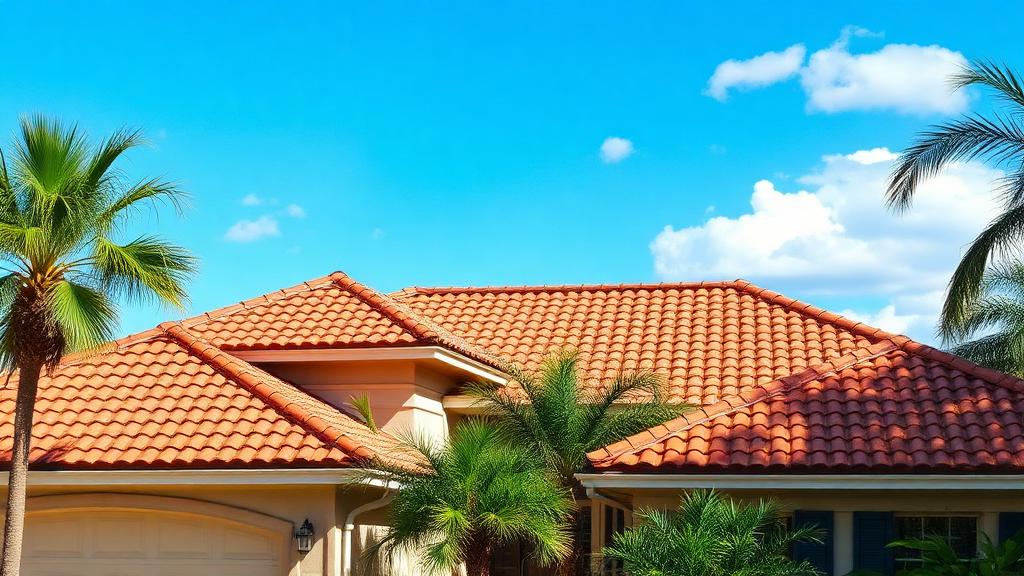
The traditional barrel tile profile creates the rolling wave appearance iconic to Spanish and Mediterranean architecture. This style requires proper underlayment for the air spaces created by the curved profile. Barrel tile is especially popular in South Florida and coastal communities.
Flat Tile Profiles
Flat tiles create a sleeker, more contemporary appearance while retaining tile benefits. They are lighter than barrel tiles, easier to walk on for maintenance, and work well with modern and transitional architecture. Flat profiles often cost less than barrel tiles due to simpler manufacturing and installation.
Interlocking Tiles
Modern interlocking tile systems feature engineered profiles that lock together for enhanced wind resistance. These systems can achieve very high wind ratings and simplify installation. Many manufacturers offer interlocking tiles in both traditional and contemporary styles.
Installation Best Practices
Proper installation determines tile roofs hurricane performance and longevity.
Underlayment Systems
Florida tile installations require robust underlayment systems. Self-adhering modified bitumen provides excellent secondary water protection. Synthetic underlayment under mechanical fastening systems offers durability. Multiple layer systems meet code requirements in high-wind zones.
The underlayment protects your home if tiles are damaged or displaced during storms. Invest in quality underlayment appropriate for your wind zone.
Fastening Methods
Modern tile fastening combines mechanical attachment with adhesives for redundant protection. Specific requirements include nose-end fastening to prevent tile lifting, perimeter and field fastening patterns per code, hurricane clips on hip, ridge, and perimeter tiles, and foam adhesive systems in high-wind applications.
Flashing and Penetrations
Tile roofs require careful flashing at valleys and walls, proper boots and flashings around penetrations, and custom tile cuts at irregular shapes. Lead or aluminum flashings compatible with tile provide long-term protection at these critical areas.
Maintenance Requirements
While durable, tile roofs benefit from regular maintenance.
Regular Inspection
Inspect tile roofs annually for cracked or broken tiles, displaced or lifted tiles, debris accumulation in valleys, and moss or algae growth in shaded areas. Catching problems early prevents larger issues from developing.
Cleaning Considerations
Floridas humidity promotes algae growth on tile roofs. Cleaning methods include low-pressure washing with appropriate cleaners, treatment with algae-resistant solutions, and manual cleaning of heavily soiled areas.
Never use high-pressure washing on tile roofs, as it can damage tiles and drive water under the roofing system.
Repair and Replacement
Individual broken tiles can typically be replaced without disturbing surrounding tiles. Keep spare tiles from your installation for future repairs. Matching tiles for older roofs may require specialty suppliers.
Finding Qualified Tile Roofing Contractors
Tile installation requires specific expertise not all roofers possess.
What to Look For
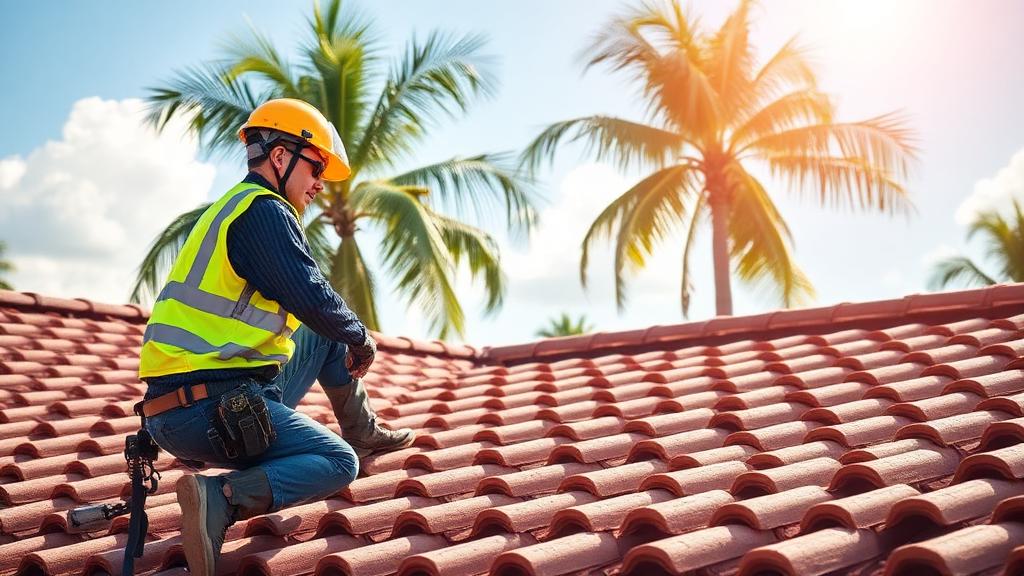
Seek contractors with extensive Florida tile roofing experience, manufacturer certifications for specific tile systems, proper Florida contractor licensing, and references from tile projects similar to yours.
Questions to Ask
Before hiring, ask about their specific experience with your chosen tile type, what underlayment and fastening systems they use, how they handle structural concerns, and what warranty they provide on installation labor.
Conclusion
Tile roofing remains an excellent choice for Florida homes, offering a proven combination of hurricane resistance, longevity, and aesthetic appeal. Whether you choose traditional clay or modern concrete, proper installation by experienced contractors ensures your tile roof protects your home for generations.
Consider your homes architecture, structural capacity, and budget when choosing between clay and concrete options. Work with qualified Florida contractors experienced in tile installation for your specific wind zone.
Ready to explore tile roofing for your Florida home? Find qualified tile roofing specialists in Miami, Fort Lauderdale, Palm Beach, and throughout Florida.