Corpus Christi Roofing Guide: Coastal Bend Homeowner Resource
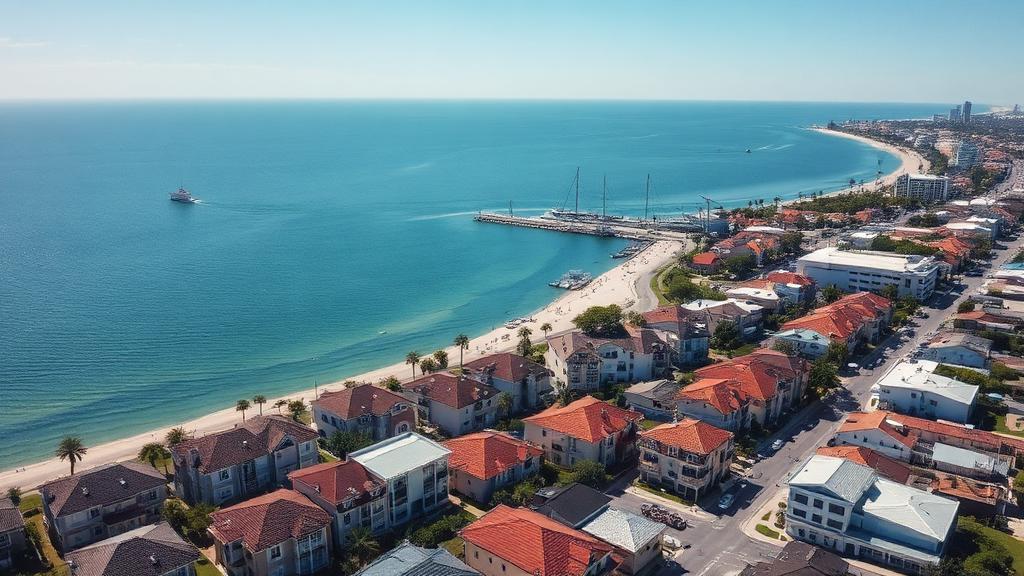
Corpus Christi homeowners face some of the most demanding roofing conditions in Texas, combining hurricane threats, constant salt air exposure, intense humidity, and strong UV radiation into a challenging environment that tests every roofing system. Located on the Gulf Coast where the Texas Coastal Bend meets the sea, this vibrant coastal city requires specialized roofing approaches. This comprehensive guide helps Corpus Christi residents protect their properties in this demanding maritime environment.
Understanding Coastal Climate Challenges
Corpus Christis Gulf Coast location creates distinct conditions that significantly impact roofing performance and material selection.
Hurricane and Tropical Storm Exposure: Corpus Christi lies directly exposed to Gulf of Mexico hurricane threats, with storm season running from June through November. Major hurricanes like Harvey have demonstrated the regions vulnerability to catastrophic wind and rain events. Even storms that make landfall elsewhere often bring damaging winds and rainfall to the Coastal Bend. Hurricane-rated roofing provides essential protection for Gulf Coast homes.
Constant Salt Air Corrosion: The maritime environment exposes roofing materials to constant salt-laden air that accelerates corrosion of metals and degradation of many materials. Standard steel fasteners, flashings, and roofing materials corrode rapidly without proper protection. Salt air corrosion represents a constant challenge rather than a seasonal concern.
Year-Round High Humidity: Corpus Christis humidity levels remain consistently high throughout the year, creating moisture management challenges that affect roofing materials and underlying structures. Poor ventilation leads to condensation, mold growth, and wood rot. Materials must handle constant moisture exposure without degradation.
Intense Solar Radiation: The combination of direct sun and reflection from water surfaces creates intense UV exposure that accelerates roofing material aging. Roof surface temperatures regularly exceed 150-160 degrees during summer months, creating thermal stress in addition to UV damage.
Tropical Storm Frequency: Beyond major hurricanes, Corpus Christi experiences frequent tropical storms and strong thunderstorms that bring damaging winds and heavy rainfall. This regular exposure tests roofing systems throughout the year.
Hurricane-Resistant Roofing Solutions
Corpus Christis hurricane exposure demands roofing systems specifically designed for extreme wind performance.
Metal Roofing Excellence: Standing seam metal roofing provides exceptional hurricane performance, with interlocking panels that resist uplift forces and concealed fasteners that prevent wind-driven rain infiltration. Aluminum construction resists salt air corrosion naturally, while galvanized or galvalume steel with proper coatings provides economical alternatives. Metal roofing has proven its value in numerous Coastal Bend hurricanes.
Impact-Resistant Shingles: Class 4 impact-resistant shingles rated for high wind speeds provide essential protection against both wind damage and windborne debris. Enhanced fastening patterns and proper installation techniques maximize wind resistance. Select products specifically rated for coastal wind zones.
Tile Roofing with Hurricane Systems: Concrete and clay tile roofing can provide excellent hurricane protection when installed with proper hurricane clips and mortar setting. Traditional tile installations often fail in high winds, but modern fastening systems secure tiles against extreme uplift forces. Tiles weight and durability provide excellent protection once properly installed.
Modified Bitumen Systems: For flat and low-slope roofs common in coastal commercial and contemporary residential construction, modified bitumen membrane systems provide excellent hurricane performance. These systems handle ponding water, resist wind uplift, and survive tropical weather when properly installed and maintained.
Corpus Christi Roofing Costs
Coastal market pricing reflects the specialized requirements of hurricane zone construction.
Standard Asphalt Shingles: $4.25-$6.50 per square foot. Basic shingles may meet code but provide minimal hurricane protection and are not recommended for coastal exposure.
Impact-Resistant Shingles: $5.75-$8.50 per square foot. Essential wind and debris protection for coastal homes with insurance benefits that often recover premium costs.
Metal Roofing Systems: $8.00-$14.00 per square foot for quality installations. Aluminum costs more than steel but provides superior corrosion resistance for coastal locations.
Tile Roofing Systems: $10.00-$18.00 per square foot including hurricane fastening systems. Long lifespan provides excellent cost-per-year value despite higher initial investment.
Critical Wind Rating Requirements
Corpus Christis coastal location triggers specific building code requirements that affect roofing projects.
Wind Zone Compliance: Coastal Bend properties fall within high wind zones that require enhanced roofing systems rated for extreme wind speeds. Building codes specify minimum wind ratings that must be met for permit approval.
Enhanced Installation Standards: Code requirements include specific fastening patterns, starter strip requirements, hip and ridge details, and underlayment specifications. Proper installation meeting these standards provides essential hurricane protection.
Material Rating Verification: Roofing materials must carry wind speed certifications appropriate for coastal wind zones. Verify that selected products meet applicable requirements before ordering materials.
Inspection and Permit Requirements: Coastal zone roofing projects require permits and inspections that verify code compliance. Work with contractors experienced in coastal requirements to ensure smooth approval processes.
Salt Air Protection Strategies
Protecting roofing systems from salt air corrosion requires specific material selection and maintenance approaches.
Corrosion-Resistant Material Selection: All metal components including roofing, fasteners, flashings, and accessories must resist salt air corrosion. Stainless steel or hot-dipped galvanized fasteners, aluminum or copper flashings, and corrosion-resistant roofing materials prevent premature failure.
Aluminum Advantages: Aluminum naturally resists salt air corrosion, making it ideal for coastal metal roofing. While more expensive than steel alternatives, aluminums durability in maritime environments provides excellent long-term value.
Steel Protection Requirements: Steel roofing and components require proper coatings and finishes to survive coastal exposure. Galvalume and premium paint systems provide protection, but aluminum remains superior for direct salt spray exposure.
Regular Maintenance Importance: Even corrosion-resistant materials benefit from regular cleaning that removes salt deposits before they cause damage. Annual washing extends the life of all roofing components.
Insurance Considerations for Coastal Properties
Coastal zone insurance creates specific considerations for roofing decisions.
Wind and Hail Deductibles: Many coastal policies feature percentage-based deductibles rather than flat dollar amounts. Understanding your deductible structure helps plan for potential claims.
Roof Age and Coverage: Coastal insurers often impose strict roof age requirements. Older roofs may be excluded from wind damage coverage or subject to actual cash value depreciation. Understanding these provisions helps plan replacement timing.
Hurricane Retrofit Credits: Many insurers offer premium credits for roofing upgrades that exceed code minimums. Impact-resistant shingles, enhanced fastening, and secondary water barriers may qualify for discounts.
Documentation Requirements: Maintain detailed records of roofing materials, installation, and any upgrades. This documentation supports insurance applications, claims, and demonstrates code compliance.
Conclusion
Corpus Christi roofing demands materials and installation that withstand Gulf Coast conditions including hurricanes, salt air, and constant humidity. Investing in hurricane-rated systems with corrosion-resistant components provides essential protection for Coastal Bend properties. Working with contractors experienced in coastal construction ensures your home receives appropriate protection.
Find coastal experts. Browse Corpus Christi roofers for professional Gulf Coast roofing service.