DIY Roof Repair vs Hiring a Professional: What You Need to Know
The question of whether to attempt roof repairs yourself or hire a professional is one that every homeowner eventually faces. While DIY projects can save money and provide satisfaction, roofing work involves unique risks and technical requirements that make the decision more complex than typical home improvement choices.
Understanding Roof Repair Complexity
Roof repairs range from simple maintenance tasks to complex structural work. Understanding where your needed repair falls on this spectrum is the first step in deciding how to proceed.
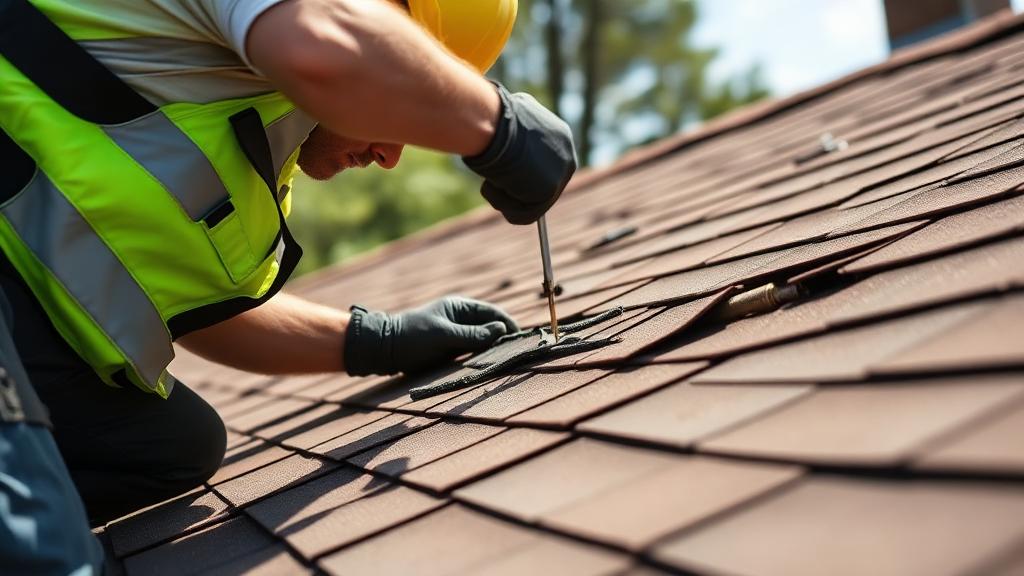
Minor Repairs: Tasks like replacing a few damaged shingles, resealing flashing, clearing debris, or patching small holes are often within DIY capability for handy homeowners with proper safety equipment.
Moderate Repairs: Larger shingle sections, minor flashing replacement, vent boot repairs, and gutter work fall into a gray area where skill level and comfort on the roof become determining factors.
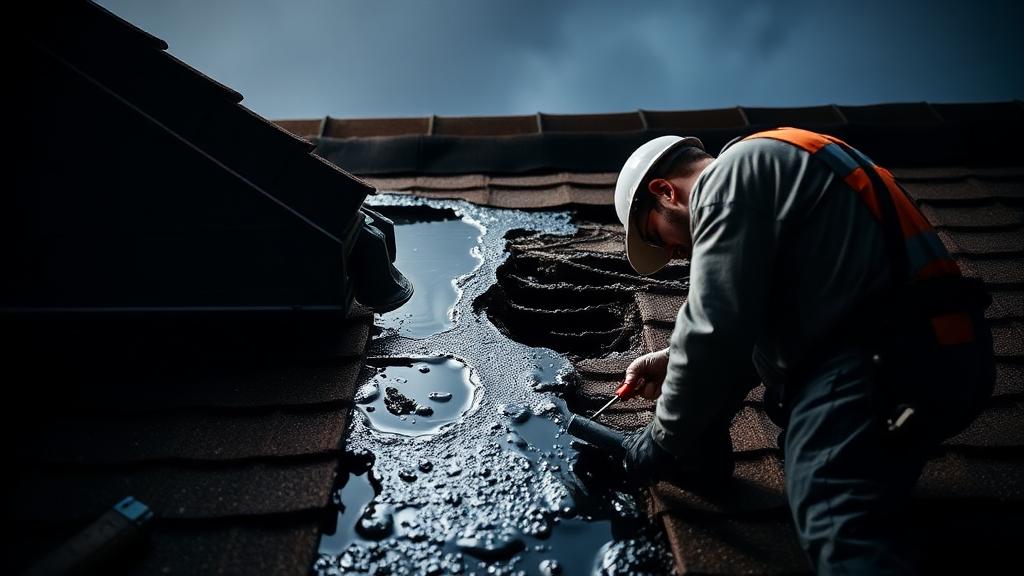
Major Repairs: Structural damage, extensive water intrusion, complete section replacement, and anything involving the roof deck or rafters should always be handled by professionals.
Safety Considerations
Roofing is consistently ranked among the most dangerous occupations, and amateur roofers lack the training, equipment, and experience that professionals develop over years of work.
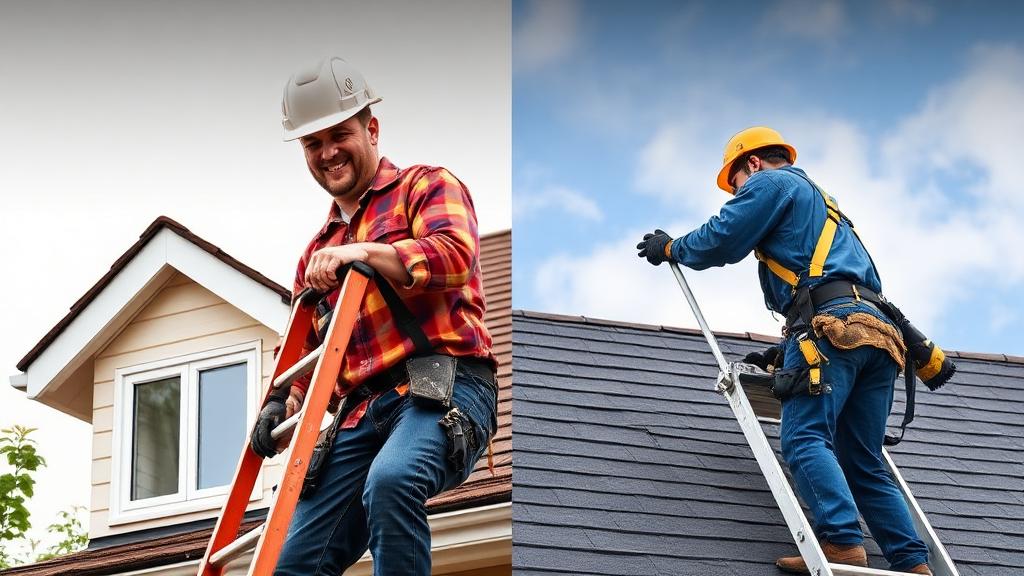
Fall Risk: Falls are the leading cause of construction-related fatalities. Professional roofers use harnesses, scaffolding, and other fall protection that most homeowners do not own and are not trained to use properly.
Roof Conditions: Steep pitches, wet surfaces, loose materials, and structural weaknesses create hazards that professionals know how to assess and navigate. What looks like solid footing may give way under weight.
Weather Factors: Working in heat can cause dehydration and heat stroke. Cold temperatures make shingles brittle and surfaces slippery. Sudden weather changes can trap unprepared workers on roofs.
Physical Demands: Roofing requires balance, strength, and stamina. Carrying materials up ladders, working in awkward positions, and maintaining concentration in difficult conditions is physically demanding.
If you have any health conditions, fear of heights, balance issues, or physical limitations, professional help is the only safe option. Even healthy individuals should carefully consider whether they have the physical capability for sustained roof work.
Skills and Knowledge Required
Beyond physical ability, roofing requires technical knowledge that affects repair quality and longevity.
Material Knowledge: Different roofing materials require different handling, installation techniques, and tools. Asphalt shingles, metal roofing, tile, and flat roof membranes each have specific requirements.
Water Management Understanding: Effective roofing is really about water management. Understanding how water flows, where it can infiltrate, and how various components work together to shed water requires experience.
Building Code Familiarity: Roofing repairs must meet local building codes. Professional roofers stay current with requirements that affect everything from material specifications to ventilation and flashing details.
Problem Diagnosis: What appears to be a simple leak may have complex causes. Professionals can identify root causes and underlying issues that DIY repairs might miss, leading to recurring problems.
Cost Comparison
The financial comparison between DIY and professional work is more complex than simply comparing material costs to contractor quotes.
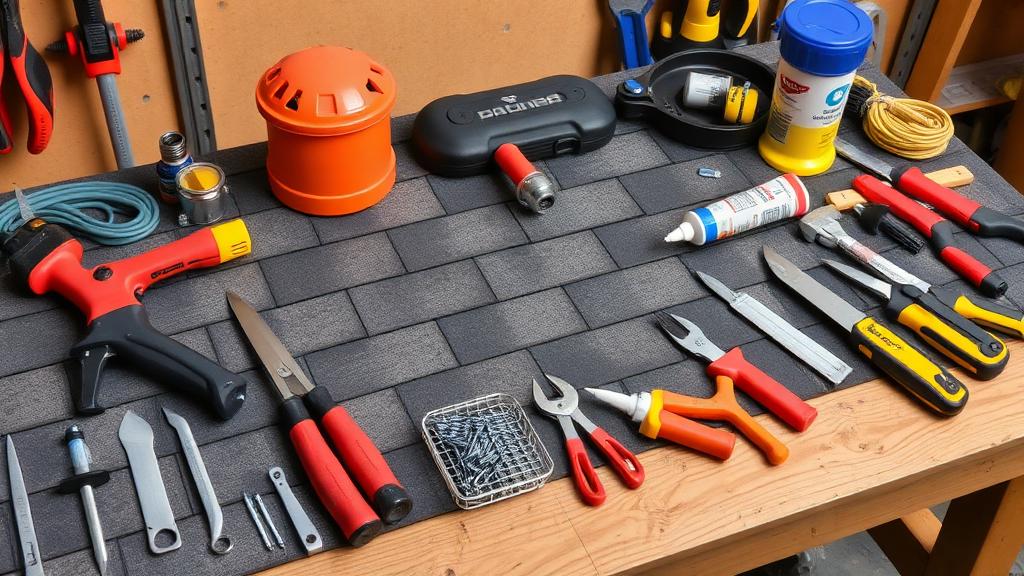
DIY Costs Include: Materials, tools you may need to purchase, safety equipment, potential permit fees, and your time. If mistakes are made, correction costs can exceed what professional work would have cost initially.
Professional Costs Include: Materials (often at contractor pricing), labor, insurance, warranties, and expertise that prevents future problems. The higher upfront cost often provides better long-term value.
Hidden DIY Costs: Incorrect repairs can void existing roof warranties, reduce home value if discovered during sale inspections, fail to meet code requirements, and lead to larger problems over time. Water damage from improper repairs can cost thousands in remediation.
Warranty Considerations: Professional repairs typically include workmanship warranties. DIY work has no warranty protection. If something fails, you bear the full cost of correction.
When DIY Makes Sense
Certain situations favor DIY approaches for capable homeowners.
Simple Shingle Replacement: Replacing a few wind-damaged shingles on a low-slope roof in good condition is manageable for handy homeowners. The work is straightforward and mistakes are correctable.
Gutter Maintenance: Cleaning gutters, resealing joints, and replacing sections is relatively safe and simple work that most homeowners can handle.
Moss and Debris Removal: Clearing leaves, branches, and moss from roof surfaces is basic maintenance that does not require professional expertise.
Minor Caulking and Sealing: Refreshing sealant around vents, pipes, and other penetrations is simple maintenance that extends roof life.
Inspection and Monitoring: Regularly checking your roof from the ground and safely accessible vantage points helps catch problems early. You do not need a professional for basic observation.
When to Call Professionals
Many situations clearly warrant professional involvement regardless of DIY capability.
Steep Roofs: Pitches above 6:12 become increasingly dangerous without professional fall protection systems. Above 8:12, even professionals use extreme caution and specialized equipment.
Multiple Story Heights: Second and third-story roofs add significant fall risk and make material handling much more dangerous.
Structural Damage: Any damage to the roof deck, rafters, or other structural components requires professional assessment and repair.
Extensive Damage: Large areas of missing shingles, significant storm damage, or repairs covering substantial portions of the roof exceed DIY scope.
Valley and Flashing Work: Valleys and flashing are critical water management points where mistakes cause serious leaks. Professional installation is worth the investment.
Unknown Problems: If you are not sure what is causing a leak or problem, professional diagnosis prevents wasted effort on ineffective repairs.
Insurance Claims: Insurance companies often require professional repairs and may deny claims for DIY work that later fails.
Finding Quality Professionals
When you decide professional help is warranted, selecting the right contractor is crucial.
Verify Licensing: Check that contractors hold required state and local licenses for roofing work. Licensing requirements vary by location. Browse licensed roofing contractors in your state.
Confirm Insurance: Request certificates of liability insurance and workers compensation coverage. Verify these are current with the issuing insurance companies.
Check References: Ask for recent customer references and actually contact them. Online reviews provide additional perspective but can be manipulated.
Get Written Estimates: Professional estimates should detail materials, labor, scope of work, timeline, and warranty terms. Compare apples to apples when evaluating multiple bids.
Avoid Pressure Tactics: Legitimate contractors do not pressure immediate decisions, require large upfront deposits, or offer deals that expire immediately. These are warning signs of storm chasers and scammers.
Hybrid Approach
Some homeowners find a middle ground between full DIY and complete professional handling.
Professional Inspection, DIY Minor Work: Have a professional inspect your roof and identify needed repairs. Handle simple maintenance yourself while scheduling professional help for complex issues.
DIY Preparation: You might clear debris, move items away from the house, or handle other preparation that reduces professional labor time and cost.
Professional Training: Some roofing suppliers and community colleges offer DIY roofing courses. Proper training can expand what you can safely and effectively handle.
Making Your Decision
Evaluate your specific situation honestly before deciding.
Ask Yourself: Am I physically capable of this work? Do I have or can I afford proper safety equipment? Do I understand what I am doing, or am I guessing? What are the consequences if I make mistakes? Is the cost savings worth the risks?
Consider the Roof: How steep is the pitch? How high is the work area? What condition is the existing roof in? How complex is the repair needed?
Think Long-Term: Will DIY work provide the same longevity as professional repairs? Am I willing to redo this work if my repair fails? Could mistakes affect my home sale in the future?
Conclusion
The DIY versus professional decision for roof repairs depends on the specific repair needed, your honest assessment of your capabilities, and your tolerance for risk. Simple maintenance and minor repairs on low-slope roofs are often manageable for handy homeowners, while complex repairs, steep roofs, and structural issues clearly warrant professional help.
When in doubt, err on the side of professional assistance. The cost difference between DIY and professional work is often smaller than it appears when factoring in tools, safety equipment, and the value of warranties and expertise. More importantly, the safety risks of roof work make professional help a worthwhile investment for repairs beyond basic maintenance.