Emergency Roof Repair in Jacksonville: What to Do After Storm Damage in 2026
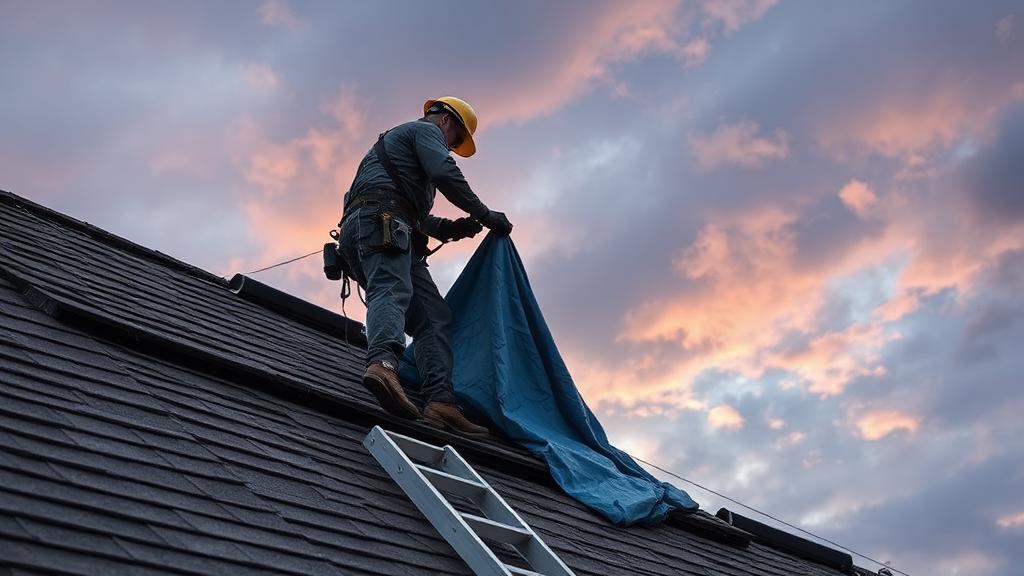
Emergency Roof Repair in Jacksonville: Your 2026 Storm Damage Action Plan
Jacksonville's position on Florida's northeast coast makes it vulnerable to hurricanes, tropical storms, severe thunderstorms, and the occasional hailstorm. When storm damage strikes your roof, knowing exactly what to do—and what to avoid—can save thousands of dollars and prevent secondary damage to your home.
This comprehensive 2026 guide walks Jacksonville homeowners through the entire emergency roof repair process, from immediate response to final restoration.
Immediate Steps After Storm Damage
Safety First
Before assessing any roof damage, ensure your family's safety:
- Stay inside until the storm has completely passed and conditions are safe
- Watch for downed power lines around your property—stay at least 35 feet away and call JEA immediately
- Check for structural damage from inside—look for sagging ceilings, cracked walls, or doors that won't close properly
- Avoid the attic if you suspect significant roof damage, as weakened structures can collapse
- Document conditions with time-stamped photos and videos before any cleanup begins
Minimize Secondary Damage
Florida law requires homeowners to take reasonable steps to prevent additional damage after a loss event. This is critical for insurance claims:
- Cover broken windows and openings with plywood or heavy-duty tarps
- Place buckets and containers under active leaks
- Move valuables away from areas with water intrusion
- Turn off electricity to affected areas if water is near electrical outlets or fixtures
- Remove standing water to prevent mold growth (mold can begin forming within 24-48 hours in Jacksonville's humid climate)
Emergency Tarping
For significant roof damage, emergency tarping is often the most critical immediate action:
- Cost: $200-$800 for professional emergency tarping in Jacksonville
- DIY option: Use heavy-duty tarps (10 mil minimum) secured with 2x4 lumber and concrete blocks—never nail through undamaged roofing
- Coverage: Extend tarps at least 4 feet beyond the damaged area in all directions
- Duration: Temporary tarps typically last 30-90 days depending on weather conditions
Documenting Damage for Insurance Claims
Photo and Video Documentation
Thorough documentation is your most powerful tool in the insurance claim process:
- Wide-angle exterior shots showing overall roof condition from multiple angles
- Close-up photos of specific damage areas (missing shingles, dented flashing, exposed decking)
- Interior damage photos including water stains, wet insulation, damaged personal property
- Before/after comparisons if you have pre-storm photos (Google Street View can help)
- Date and time stamps on all documentation
Inventory Affected Property
Create a detailed list of all damaged personal property, including: - Description and approximate age of each item - Original purchase price or current replacement cost - Photos of damaged items - Receipts if available
Understanding Your Insurance Coverage
Florida Homeowner's Insurance in 2026
Jacksonville homeowners should understand several key aspects of Florida insurance coverage:
Hurricane deductibles in Florida are typically 2-5% of the home's insured value (not the claim amount). For a home insured at $350,000, the hurricane deductible could be $7,000-$17,500—significantly higher than the standard deductible.
Named storm vs. non-named storm: Different deductibles often apply depending on whether damage resulted from a named tropical system. Non-named storm damage typically uses the standard deductible ($1,000-$2,500).
Assignment of Benefits (AOB): Florida's AOB reforms in recent years have changed how contractors can work directly with insurance companies. Always understand your rights before signing any AOB agreements.
Filing Your Claim
- Report damage promptly: Contact your insurance company within 24-48 hours of discovering damage
- Get a claim number: Document your claim number and adjuster's contact information
- Don't make permanent repairs until the insurance adjuster has inspected the damage (emergency tarping is acceptable and expected)
- Get independent estimates: Obtain at least 2-3 written repair estimates from licensed Jacksonville roofing contractors
- Be present for the adjuster's inspection: Walk the property with the adjuster and point out all damage areas
Common Types of Storm Damage in Jacksonville
Wind Damage
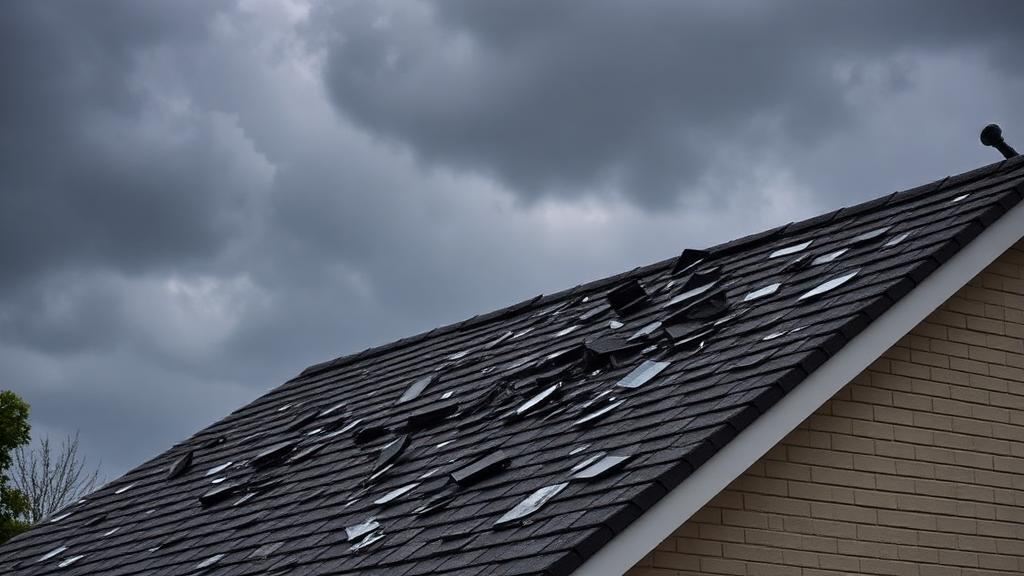
The most common roof damage in Jacksonville, wind damage includes: - Missing or lifted shingles - Damaged ridge caps - Torn or missing flashing - Broken or displaced tiles - Soffit and fascia damage - Damaged roof vents and boots
Repair costs: $500-$5,000 for minor wind damage; $5,000-$15,000+ for significant damage
Water Intrusion
Often a secondary effect of wind damage: - Leaks around damaged flashing - Water entry through missing shingles - Skylight seal failures - Valley damage causing channeled leaks
Repair costs: $300-$3,000 for leak repairs; $5,000-$25,000+ if structural damage occurred
Fallen Tree/Debris Damage
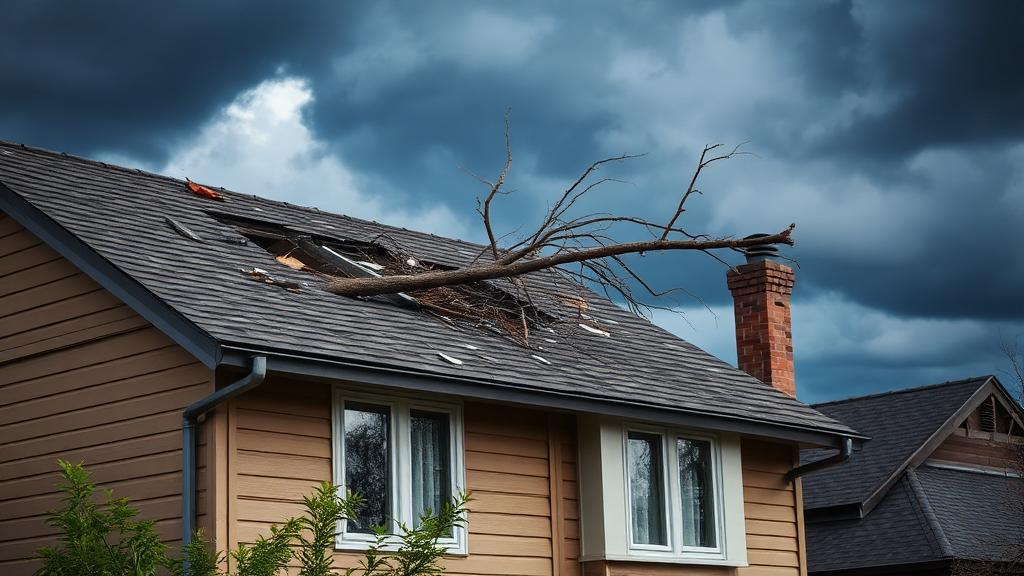
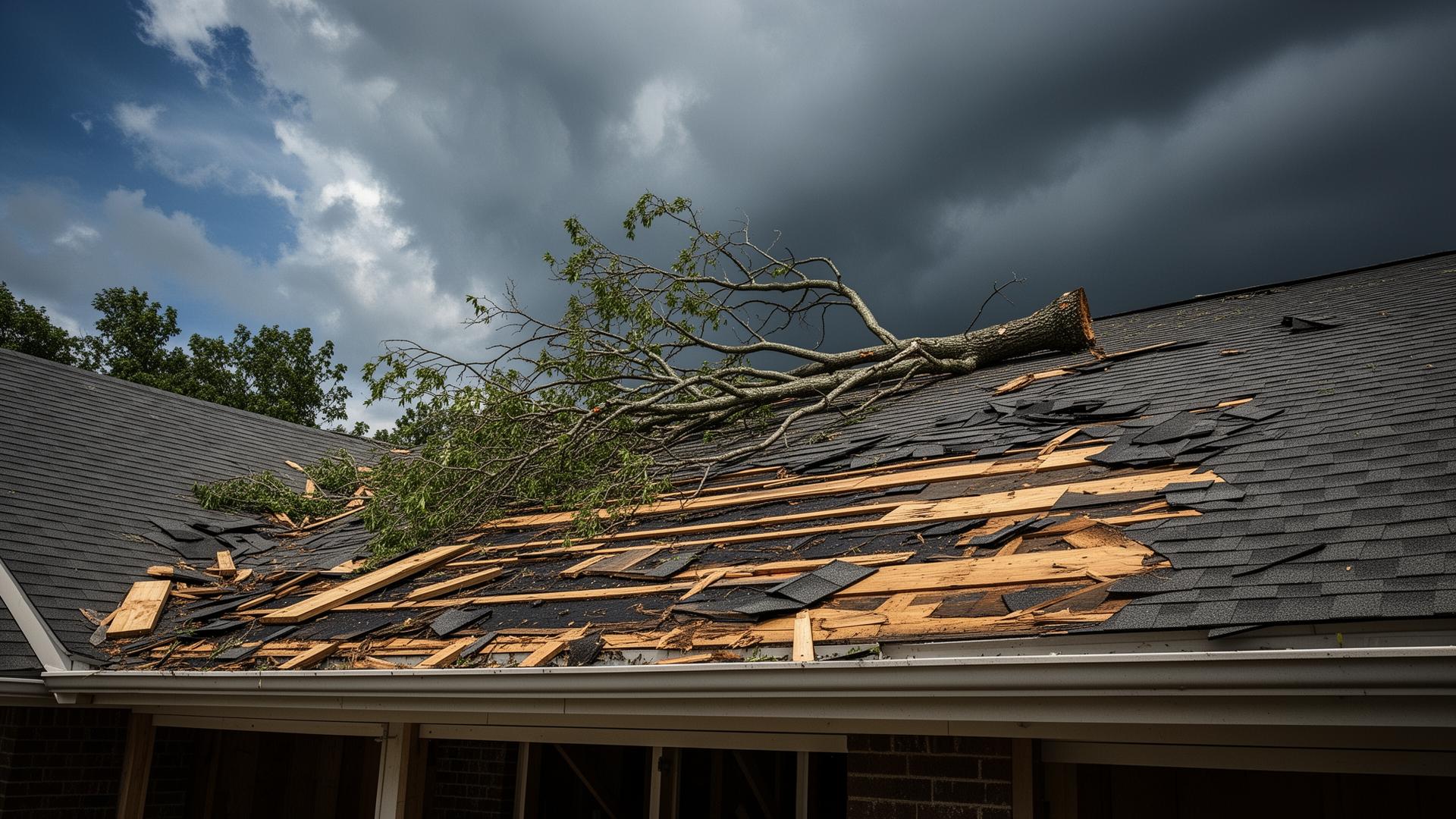
Jacksonville's abundant tree canopy creates significant risks during storms: - Punctured or crushed decking - Structural damage to trusses or rafters - Gutter system destruction - Multiple penetration points
Repair costs: $2,000-$20,000+ depending on severity
Hail Damage
Less common in Jacksonville than in the Midwest, but significant when it occurs: - Granule loss on asphalt shingles - Cracked or broken tiles - Dented metal components - Damaged gutters and downspouts
Repair costs: $3,000-$15,000 for moderate hail damage
Choosing an Emergency Roofing Contractor in Jacksonville
Red Flags to Avoid
After major storms, Jacksonville often sees an influx of out-of-state storm chasers. Protect yourself:
- Never sign contracts with door-to-door solicitors immediately after storms
- Avoid contractors who demand large upfront payments (Florida law limits deposits to 10% or $1,000, whichever is less, for residential work over $15,000)
- Reject contractors who want to negotiate directly with your insurance without your involvement
- Be wary of unusually low bids that may indicate corner-cutting or unlicensed work
- Verify all licensing through the Florida DBPR website
What to Look For
- Active Florida CBC or CCC license: Verify at myfloridalicense.com
- Local Jacksonville presence: Physical office address (not just a P.O. box)
- Insurance documentation: Current general liability and workers' compensation certificates
- Storm damage experience: Documented track record handling insurance restoration projects
- Manufacturer certifications: GAF, Owens Corning, or CertainTeed preferred contractor status
- References: Recent Jacksonville storm damage repair projects you can verify
Timeline for Emergency Repairs
After a major storm event in Jacksonville, here's a realistic timeline:
- Day 1-2: Emergency tarping and initial damage documentation
- Day 3-7: Insurance claim filing and adjuster scheduling
- Week 2-3: Insurance adjuster inspection
- Week 3-4: Obtain contractor estimates and select contractor
- Week 4-8: Material ordering and repair scheduling
- Week 6-12: Permanent repairs completed
Note: After major hurricanes, timelines can extend significantly due to high demand for contractors and materials. Starting the process promptly gives you the best position in the queue.
Preventing Future Storm Damage
Proactive Measures
- Annual roof inspections: Schedule professional inspections before hurricane season (June 1)
- Tree maintenance: Keep branches trimmed to at least 10 feet from your roof
- Upgrade materials: Consider impact-resistant shingles or metal roofing during your next replacement
- Secure loose items: Ensure all roof-mounted equipment is properly anchored
- Maintain documentation: Keep updated photos of your roof's condition for insurance purposes
Conclusion
Storm damage to your Jacksonville home's roof is stressful, but a systematic approach to emergency response, documentation, insurance claims, and contractor selection will help ensure the best possible outcome. Act quickly to prevent secondary damage, document everything thoroughly, and partner with qualified local professionals for permanent repairs.
Use RoofingPros to find verified emergency roofing contractors in Jacksonville who offer 24/7 storm damage response and have proven experience with Florida insurance restoration projects.