Florida Hurricane Roof Damage: Emergency Response and Recovery Guide
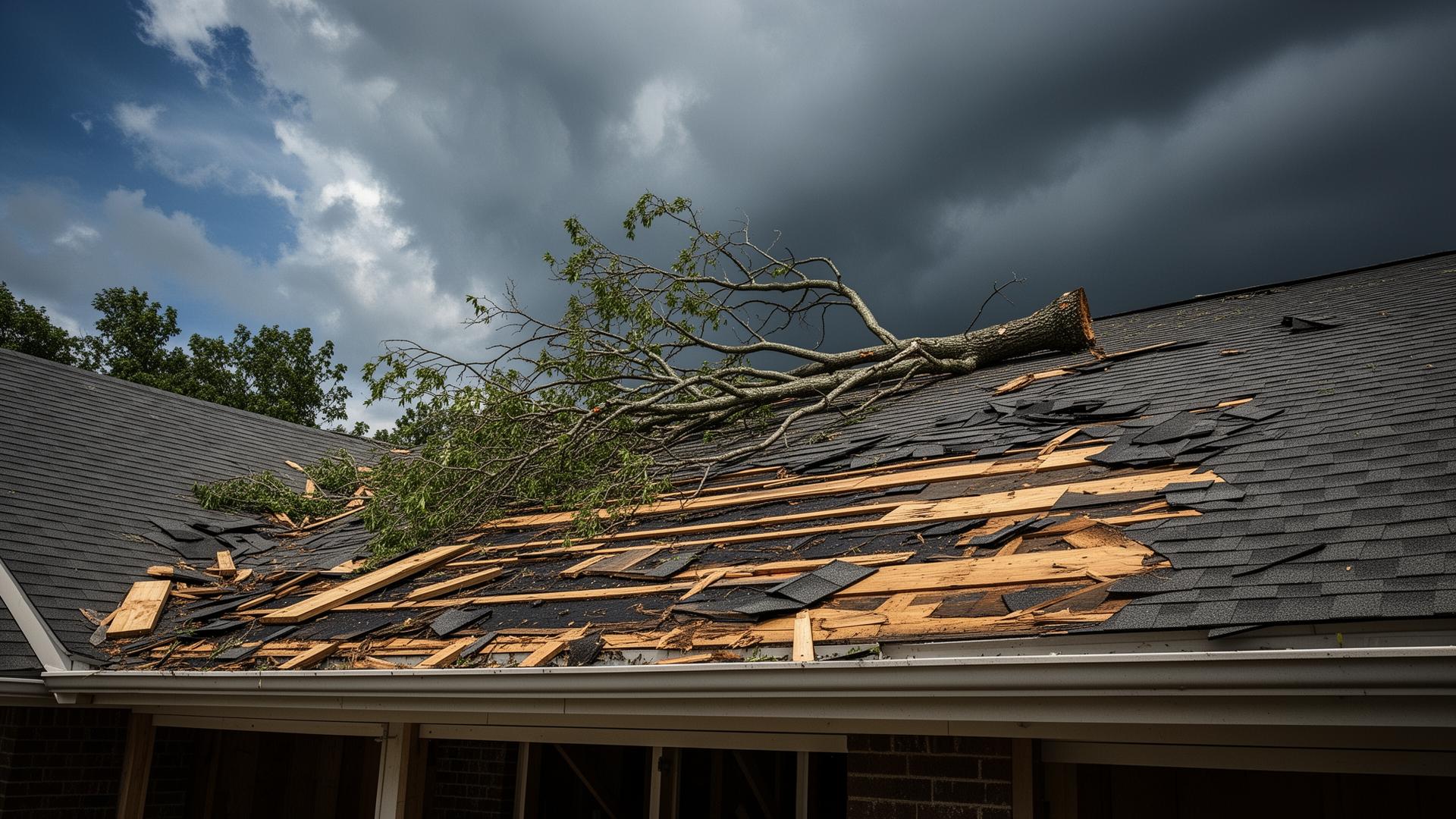
Florida's hurricane season brings devastating potential for roof damage. From emergency tarping to insurance claims, understanding the recovery process helps Miami, Tampa, and Jacksonville homeowners navigate challenging situations.
Immediate Post-Hurricane Safety
Wait for All-Clear: Don't inspect until local authorities confirm safety.
Utility Dangers: Watch for downed power lines and gas leaks.
Structural Concerns: Be alert for structural damage that makes buildings unsafe.
Document Before Entering: Photograph exterior damage before going inside.
Emergency Damage Assessment
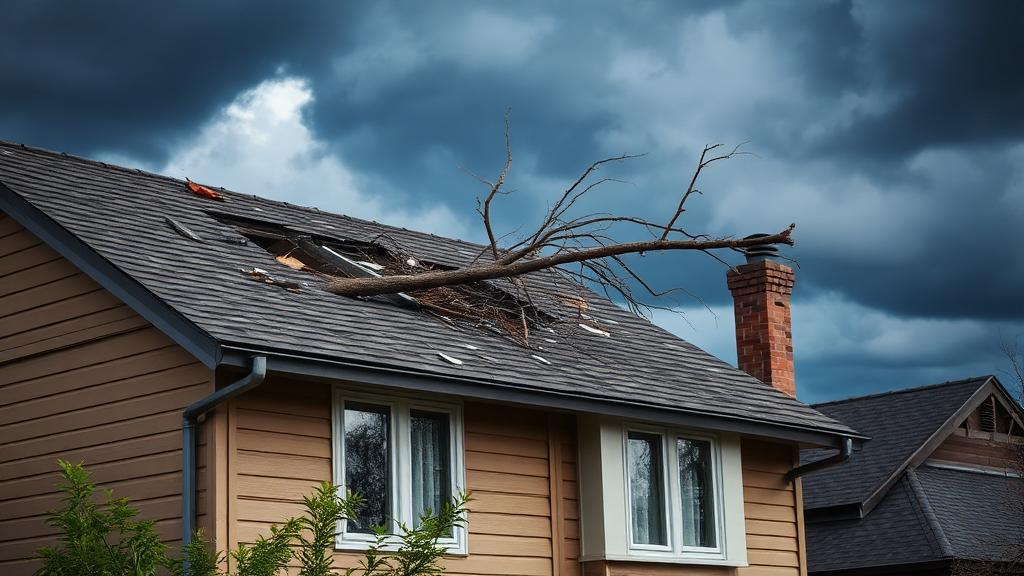
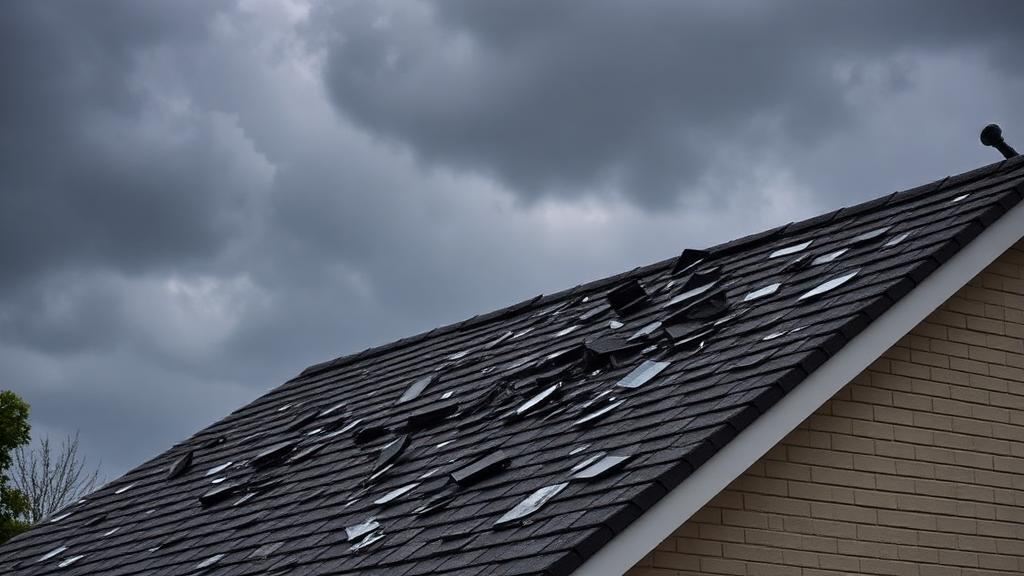
Exterior Inspection: Check for missing shingles, tiles, or sections of roofing.
Interior Signs: Look for water stains, dripping, or daylight through the roof.
Structural Assessment: Check for sagging, shifted walls, or other structural issues.
Photograph Everything: Document all damage thoroughly before any repairs.
Emergency Tarping
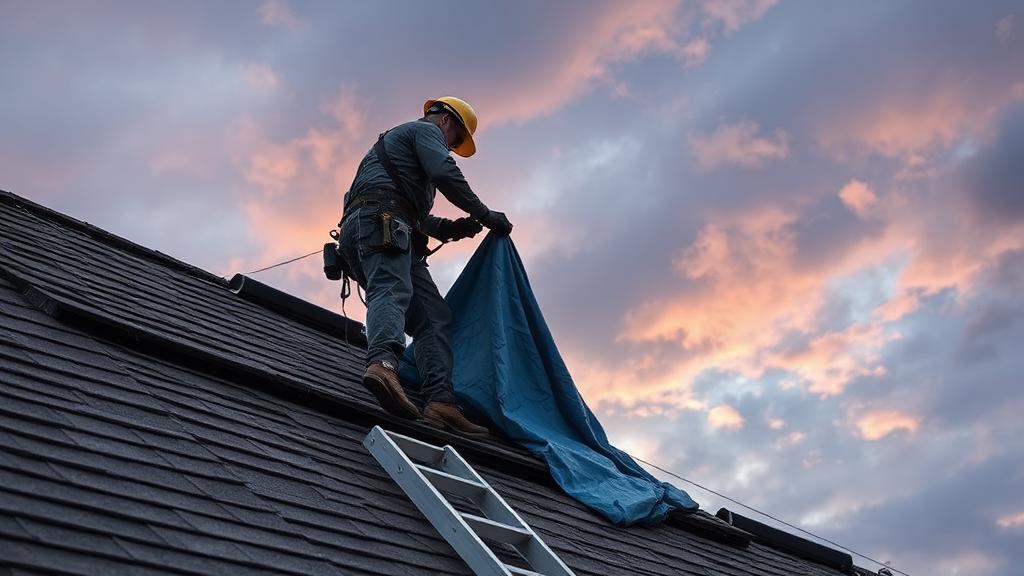
Immediate Priority: Covering exposed areas prevents additional water damage.
Professional Services: Emergency tarping services are often available post-hurricane.
Documentation: Photograph the covered area and keep tarping receipts.
Temporary Measure: Tarps are temporary—plan for permanent repairs quickly.
Finding Emergency Contractors
Licensed Contractors: Verify Florida state roofing licenses.
Local vs. Out-of-State: Prioritize established Florida contractors when possible.
Price Gouging Laws: Florida has price gouging protections during emergencies.
Multiple Estimates: Even in emergencies, get multiple opinions on major work.
Insurance Claim Process
Immediate Notification: Contact your insurer as soon as possible.
Document Communications: Keep records of all insurance interactions.
Proof of Loss: File required paperwork within deadlines.
Public Adjusters: Consider professional claims assistance for large losses.
FEMA and Disaster Assistance
Register with FEMA: Even with insurance, register for potential additional assistance.
SBA Loans: Low-interest disaster loans may be available.
State Programs: Florida may offer additional disaster assistance programs.
Avoiding Post-Hurricane Fraud
Contractor Verification: Verify all licenses and insurance.
No Upfront Payments: Avoid contractors demanding full payment upfront.
Written Contracts: Get detailed contracts before any work begins.
Red Flags: Be wary of door-to-door solicitations and high-pressure tactics.
Temporary Living Arrangements
Additional Living Expenses: Most policies cover temporary housing.
Keep Receipts: Document all displacement-related expenses.
Communication: Stay in touch with your insurance adjuster.
Long-Term Recovery Planning
Permanent Repairs: Plan for code-compliant permanent restoration.
Upgrade Opportunities: Consider impact-resistant materials during replacement.
Mitigation Improvements: Invest in features that reduce future damage.
Conclusion
Florida hurricane damage recovery requires patience, documentation, and vigilance against fraud. Work with licensed contractors and maintain thorough records throughout the process.
Find Florida roofing contractors for hurricane damage restoration.