Emergency Roof Repairs and Insurance: What's Covered and How to File Claims
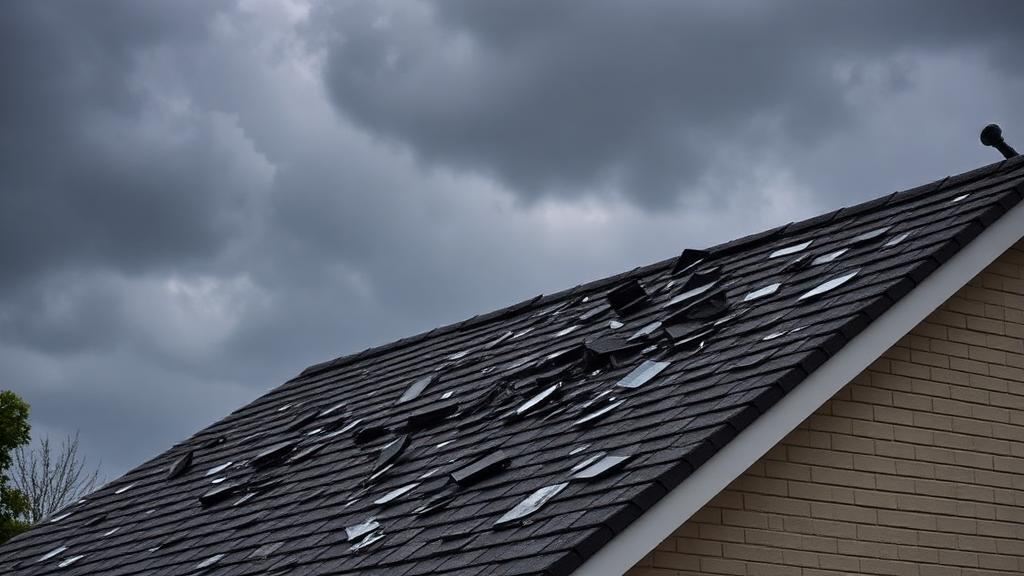
When your roof sustains sudden damage, emergency repairs become necessary to prevent further harm to your home. Understanding how insurance covers these emergency measures—and how to ensure proper reimbursement—helps you respond effectively while protecting your financial interests. This guide covers everything homeowners need to know about emergency roof repairs and insurance.
What Qualifies as Emergency Roof Repair
Insurance policies distinguish between emergency repairs and permanent repairs, with different coverage implications.
Emergency Repair Definition:
Emergency repairs are temporary measures to: - Prevent additional damage - Protect property and belongings - Maintain habitability - Preserve evidence for claim
Common Emergency Roof Repairs:
| Emergency Repair Type | Purpose |
|---|---|
| Tarping | Prevent water intrusion |
| Board-up | Secure openings |
| Water extraction | Remove standing water |
| Temporary patches | Seal active leaks |
| Debris removal | Prevent further damage |
What Doesn't Qualify:
Emergency repairs don't include: - Permanent repairs or replacement - Upgrades or improvements - Work that can safely wait - Cosmetic concerns
Your Duty to Mitigate Damage
Insurance policies require homeowners to take reasonable steps to prevent additional damage. Understanding this duty protects your claim.
Policy Language:
Standard policies include provisions requiring: - Reasonable protective measures - Prompt response to damage - Prevention of further loss - Protection of property
What "Reasonable" Means:
Reasonable mitigation includes: - Tarping damaged roof areas - Moving belongings from leak areas - Turning off utilities if safety concern - Securing property from elements
Reasonable Doesn't Require:
You're not expected to: - Risk personal safety - Make permanent repairs immediately - Hire only the cheapest provider - Delay while waiting for approval
Immediate Response Steps
When emergency roof damage occurs, following proper steps protects both your property and claim.
Step-by-Step Response:
1. Ensure Safety - Evacuate if structural damage severe - Avoid electrical hazards - Watch for unstable conditions - Call emergency services if needed
2. Document Damage - Photograph all visible damage - Video active leaks - Note date, time, conditions - Document before any repairs
3. Contact Insurance - Report damage immediately - Get claim number - Ask about emergency repair coverage - Document representative name
4. Arrange Emergency Repairs - Contact reputable emergency services - Get written estimate if possible - Document all work performed - Keep all receipts
Finding Emergency Repair Services
Locating reliable emergency repair services quickly can be challenging. Know your options before emergencies arise.
Emergency Service Providers:
Roofing Contractors:: - Licensed local roofers - Companies offering 24/7 service - Storm damage specialists - Board-up services
Restoration Companies:: - Water damage specialists - Fire and storm restoration - Often offer tarping services - Available around the clock
General Emergency Services:: - Board-up and tarping services - Emergency response companies - Often faster response - May be more expensive
Finding Services:
Prepare before emergencies by: - Researching local providers - Saving emergency contact numbers - Checking reviews and licensing - Understanding typical costs
Documenting Emergency Repairs
Proper documentation ensures reimbursement for emergency repair expenses.
Essential Documentation:
Before Repairs:: - Photographs of damage requiring repair - Video of active water intrusion - Written description of emergency - Weather conditions
During Repairs:: - Photos of work being performed - Materials being used - Workers and equipment - Progress documentation
After Repairs:: - Completed work photographs - Materials receipts - Labor invoices - Written scope of work
Receipt Requirements:
Invoices should include: - Contractor name and license number - Date and time of service - Detailed description of work - Materials used and costs - Labor hours and rates - Total amount paid
What Insurance Covers
Understanding coverage helps ensure you're properly reimbursed.
Typically Covered:
- Emergency tarping services
- Board-up of openings
- Water extraction from active leaks
- Temporary repairs to stop leaks
- Reasonable debris removal
- Materials for emergency repairs
Coverage Limits:
Be aware of potential limitations: - Maximum reimbursement amounts - Reasonable cost requirements - Proper documentation needs - Covered peril requirements
What May Not Be Covered:
- Excessive charges beyond reasonable
- Work not necessary for mitigation
- Permanent repairs done as "emergency"
- Costs unrelated to covered damage
Filing for Reimbursement
Proper submission ensures timely reimbursement of emergency expenses.
Submission Process:
- Gather all documentation
- Organize receipts and invoices
- Write description of emergency
- Submit to insurance company
- Follow up on status
What to Submit:
Complete submission includes: - Claim number reference - Dated photographs - Written narrative - Original receipts/invoices - Contractor contact information - Statement of work performed
Timing:
Submit emergency expenses: - As soon as receipts available - Before or with main claim - Within policy timeframes - With clear claim reference
Emergency Repair Cost Considerations
Understanding typical costs helps you evaluate quotes and ensure reasonable charges.
Typical Emergency Costs:
| Service | Typical Cost Range |
|---|---|
| Roof tarping | $200-$1,000 |
| Board-up | $100-$500 per opening |
| Emergency call-out | $100-$300 |
| After-hours premium | 25-50% additional |
| Large area tarping | $500-$2,000+ |
Cost Factors:
Prices vary based on: - Time of day/week (after-hours costs more) - Severity of damage - Roof accessibility - Size of affected area - Geographic location - Urgency level
Avoiding Overcharges:
Protect yourself by: - Getting written estimate before work - Asking about total costs - Documenting scope before starting - Questioning unusually high quotes - Keeping records for comparison
Working with Insurance After Emergency Repairs
How you handle the claim after emergency repairs affects your overall settlement.
Communication:
Keep insurer informed about: - What emergency work was done - Why it was necessary - Costs incurred - Supporting documentation
Claim Continuation:
Emergency repairs are part of larger claim: - Document everything for main claim - Coordinate with adjuster - Include emergency costs in settlement - Keep all records organized
Avoiding Issues:
Prevent problems by: - Not making permanent repairs too soon - Keeping damaged materials when possible - Allowing adjuster to inspect - Documenting original damage
Common Emergency Repair Mistakes
Avoiding common errors protects your claim and reimbursement.
Documentation Failures:: - Not photographing before repairs - Missing receipts - Incomplete invoices - No written descriptions
Repair Errors:: - Doing permanent repairs as "emergency" - Making unnecessary repairs - Hiring unlicensed contractors - Paying excessive prices
Claim Mistakes:: - Not notifying insurer promptly - Discarding damaged materials - Inadequate records - Missing submission deadlines
Emergency Repair Scenarios
Different situations require different emergency responses.
Storm Damage:: - Tarp exposed areas immediately - Document storm-related damage - Note weather conditions - File claim promptly
Tree on Roof:: - Ensure structural safety - Tarp around tree if possible - Document tree and damage - Coordinate tree removal
Active Leaks:: - Contain water intrusion - Protect belongings below - Document active leaking - Arrange emergency tarping
Structural Concerns:: - Evacuate if necessary - Call emergency services - Secure property - Don't attempt repairs
Conclusion
Emergency roof repairs protect your property from additional damage and are typically covered by insurance when properly documented and reasonably priced. By understanding your duty to mitigate damage, documenting thoroughly, and filing correctly, you can ensure reimbursement while protecting your home.
Remember that emergency repairs are temporary measures—your main claim will address permanent repairs. Keep everything documented, submit receipts promptly, and coordinate with your adjuster throughout the process.
Find qualified emergency roofing services in your area before you need them.