Flat Roof Maintenance: Essential Care for Commercial Buildings
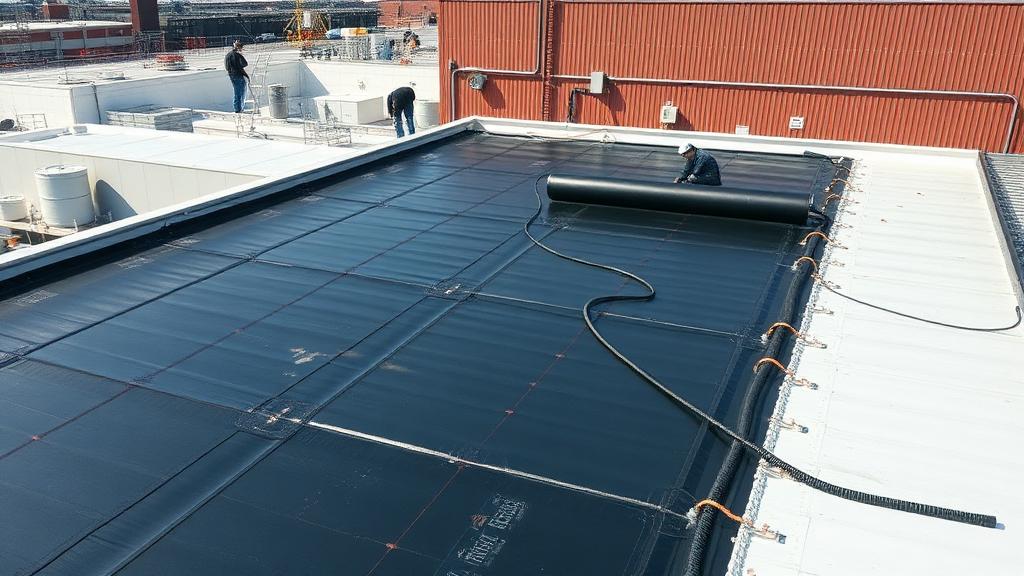
Commercial flat roofs require consistent maintenance to deliver their expected service life. Unlike pitched roofs that shed water quickly, flat roofs rely on designed drainage systems and quality membranes to prevent water intrusion. Proper maintenance protects this critical building system and extends its useful life significantly.
Understanding Flat Roof Vulnerabilities
Flat roofs face unique challenges that maintenance must address.
Ponding Water: True flat roofs actually have slight slopes directing water to drains. When drainage is blocked or roofs develop low spots, ponding water accelerates membrane deterioration and adds structural load.
Membrane Degradation: UV exposure, thermal cycling, and weather continuously stress roof membranes. Without protection and maintenance, membranes lose flexibility, seams separate, and leaks develop.
Penetration Leaks: Every pipe, duct, drain, and equipment mount creates a potential leak point. These penetrations require ongoing attention as seals age and equipment is serviced.
Traffic Damage: Unlike residential roofs rarely walked on, commercial flat roofs regularly host HVAC technicians, service personnel, and maintenance workers. This traffic can puncture, tear, or wear membrane surfaces.
Debris Accumulation: Flat roofs collect debris that does not naturally slide off. This debris blocks drainage, holds moisture, and can damage membranes.
Drainage System Maintenance
Proper drainage is the single most important factor in flat roof longevity.
Drain Inspection: Interior roof drains should be inspected regularly. Remove debris that accumulates in drain baskets. Verify water flows freely through drain lines.
Scupper Maintenance: Edge scuppers and their conductor heads must remain clear. These can easily clog with leaves and debris, especially in fall.
Gutter and Leader Care: Where flat roofs drain to gutters and downspouts, keep these clear and properly connected. Overflowing gutters cause water backup onto the roof surface.
Ponding Identification: After rain, walk the roof to identify ponding areas where water remains after 48 hours. Ponding indicates drainage problems requiring attention.
Tapered Insulation Solutions: For persistent ponding, installing tapered insulation can redirect water to drains. This is a significant repair but prevents the ongoing damage ponding causes.
Membrane Care and Protection
Different membrane types require different care approaches.
EPDM Maintenance: EPDM rubber roofs should be inspected for seam separation, punctures, and shrinkage. The surface should be cleaned periodically to remove dirt and debris that can accelerate aging. Recoating extends life of weathered EPDM.
TPO and PVC Care: These single-ply membranes require seam inspection to ensure heat welds remain intact. Clean surfaces with appropriate cleaners as recommended by manufacturers. Avoid incompatible chemicals that can damage these membranes.
Built-Up Roof Care: BUR systems need periodic resurfacing when gravel coverage thins. Inspect for blisters, cracks, and ridging that indicate membrane problems. Address surfacing deterioration before it exposes underlying layers.
Modified Bitumen Maintenance: Similar to BUR, modified bitumen roofs need surfacing maintenance. Granule coverage should be maintained, and seams regularly inspected.
Coating Applications: Many flat roof membranes benefit from reflective coatings that protect from UV damage and reduce cooling loads. Follow manufacturer guidelines for appropriate coating products and application timing.
Penetration and Flashing Care
Penetrations are the most common leak sources on commercial flat roofs.
Regular Seal Inspection: Every penetration through the roof membrane should be inspected at least annually. Look for separated seals, cracked caulking, and deteriorated boots.
Caulk Maintenance: Perimeter sealants and penetration caulks deteriorate over time. Reapply appropriate sealants before complete failure exposes the substrate.
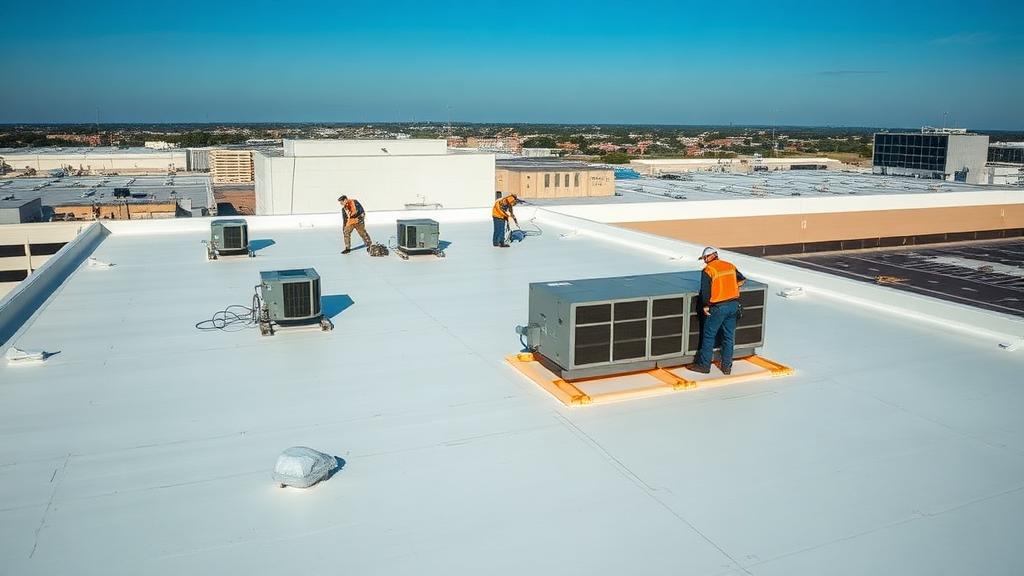
Curb and Equipment Base Inspection: HVAC equipment and other rooftop installations sit on curbs that must be properly flashed and sealed. These curbs often require attention as equipment is serviced and the building ages.
Pitch Pan Maintenance: If your roof has pitch pans (metal containers around penetrations filled with sealant), these require periodic refilling as sealant shrinks and cracks.
Seasonal Maintenance Tasks
Plan maintenance activities around seasonal needs.
Spring Inspection and Cleaning: After winter, inspect for damage from ice, snow loads, and freeze-thaw cycles. Clear accumulated winter debris. Check all drains and ensure proper drainage as spring rains begin.
Summer Maintenance: Summer is ideal for repairs and coating applications that require warm, dry conditions. Address any issues identified in spring inspection.
Fall Preparation: Clear leaves and debris before heavy accumulation. Ensure all drains are completely clear before winter. Complete any outstanding repairs before cold weather arrives.
Winter Monitoring: In cold climates, monitor snow loads and arrange removal if accumulation becomes excessive. Keep drains clear to prevent ice dam formation at drain locations.
Traffic Management
Managing foot traffic on flat roofs protects membrane integrity.
Designated Pathways: For roofs with regular service traffic, install walkway pads along common routes. These protect membrane surfaces from foot traffic wear and punctures.
Service Personnel Training: Ensure HVAC technicians and other regular visitors understand roof protection requirements. Provide guidance on where to walk, what to avoid, and how to report any damage they observe.
Equipment Protection: When equipment is serviced, ensure proper protection for the roof surface. Require contractors to use protection mats when working.
Sharp Object Policies: Establish policies prohibiting sharp tools, equipment with damaging feet, and materials that could puncture membranes from direct roof surface contact.
Professional Maintenance Services
Some maintenance requires professional expertise.
Semi-Annual Professional Inspection: Even with in-house staff conducting regular checks, professional inspection twice annually provides expert assessment and documentation.
Specialized Repairs: Membrane repairs, seam work, and flashing replacement require professional expertise and materials. Amateur repairs often fail quickly.
Coating and Restoration: Applying protective coatings or conducting roof restoration projects requires professional application to be effective.
Core Samples and Advanced Diagnostics: Determining membrane and insulation condition beneath surfaces requires professional testing methods.
Developing a Maintenance Plan
Systematic maintenance is more effective than reactive response.
Create Maintenance Calendar: Schedule recurring inspections, cleaning tasks, and professional services throughout the year. Assign responsibility and track completion.
Document Everything: Maintain records of all inspections, maintenance activities, and repairs. This documentation supports warranty claims, insurance matters, and property transactions.
Budget Appropriately: Allocate adequate budget for both routine maintenance and unexpected repairs. The cost of maintenance is far less than the cost of premature replacement.
Train Building Staff: If building staff perform routine maintenance, ensure they are properly trained on roof-specific tasks and safety requirements.
When Maintenance Is Not Enough
Recognize when maintenance cannot solve underlying problems.
Repeated Repair Areas: When the same areas require repeated repair, the underlying system has likely failed beyond the point where maintenance can restore it.
Widespread Deterioration: General membrane deterioration affecting large portions of the roof indicates approaching end of life rather than localized repairable problems.
Age Consideration: When roofs exceed expected lifespan, increasing maintenance investment provides diminishing returns. Replacement planning should begin.
Moisture Contamination: If insulation becomes saturated, maintenance of the membrane surface cannot address the underlying problem. Core sampling can assess insulation condition.
Conclusion
Commercial flat roof maintenance is an essential component of building asset management. Consistent attention to drainage, membranes, penetrations, and traffic protection extends roof life and prevents costly failures. Develop systematic maintenance plans, engage qualified professionals for specialized needs, and recognize when maintenance is no longer sufficient. With proper care, quality commercial flat roofs deliver decades of reliable service protecting your building investment.
Connect with qualified commercial roofing professionals in your area for maintenance services and assessments.