Flat Roof Repair Guide: Common Issues and Professional Solutions
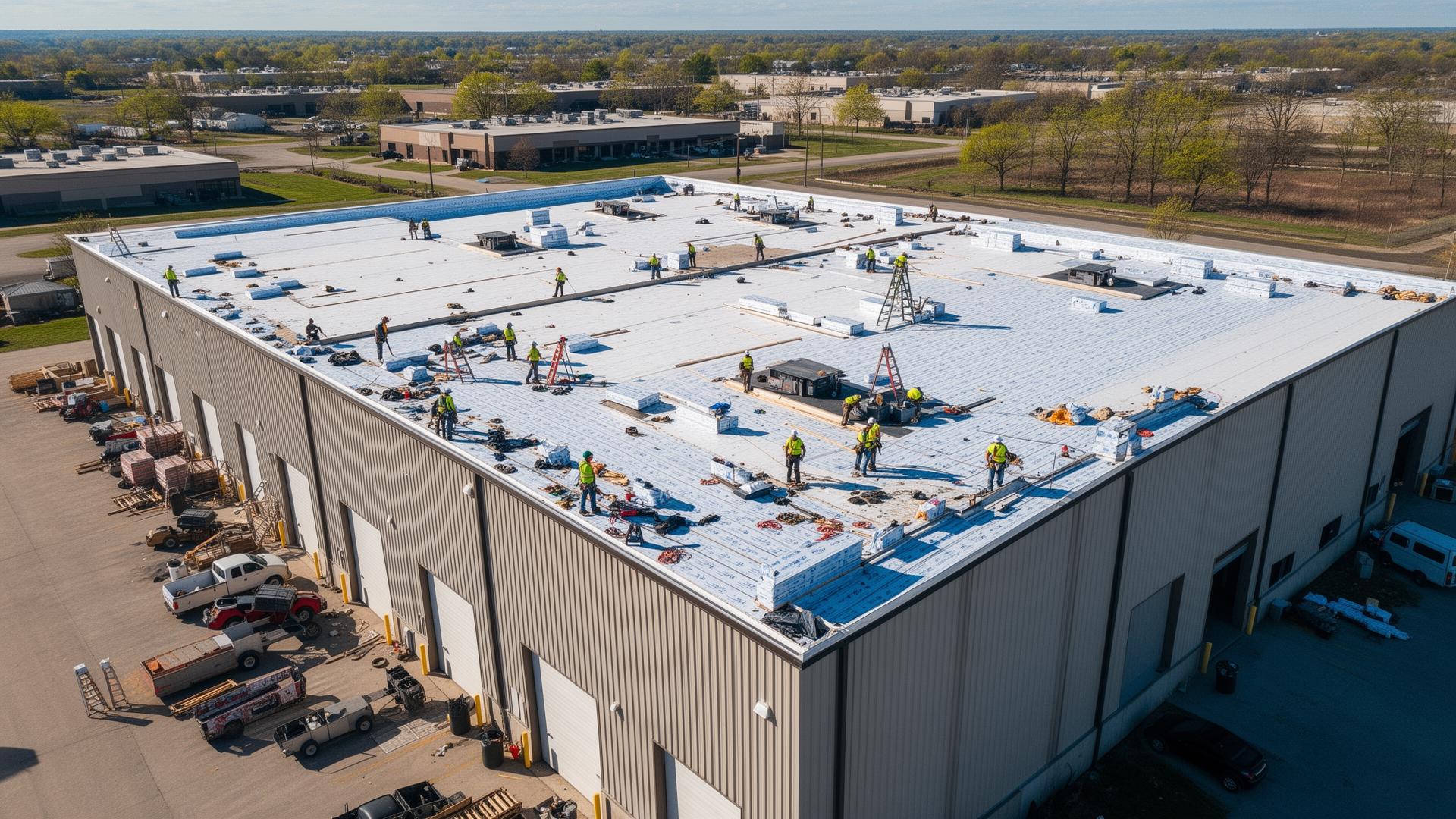
Flat roofs present unique challenges that differ significantly from sloped residential roofing. Understanding common flat roof problems and repair options helps property owners make informed decisions about maintenance and when professional intervention is necessary.
Understanding Flat Roof Systems
Flat roofs use different materials and construction methods than sloped roofs, requiring specialized repair approaches.
Built-Up Roofing (BUR): Traditional built-up roofs consist of alternating layers of bitumen and reinforcing fabrics, topped with gravel or a cap sheet. These durable systems have protected buildings for over a century.
Modified Bitumen: These systems use polymer-modified asphalt sheets that are torched, mopped, or self-adhered. They combine traditional durability with modern flexibility.
Single-Ply Membranes: EPDM, TPO, and PVC membranes are modern solutions offering different advantages. EPDM provides excellent durability, TPO offers energy efficiency, and PVC resists chemicals and grease.
Spray Polyurethane Foam (SPF): Foam roofing provides insulation and waterproofing in one application, ideal for irregular roof shapes.
Common Flat Roof Problems
Flat roofs face specific challenges due to their minimal slope.
Ponding Water: Water accumulating and remaining for 48+ hours after rainfall indicates drainage problems. Ponding accelerates membrane deterioration and adds structural load.
Membrane Damage: Punctures, tears, and seam failures compromise waterproofing. Foot traffic, falling debris, and equipment installation commonly cause membrane damage.
Blistering and Bubbling: Trapped moisture or air under the membrane creates blisters. These may be cosmetic or may rupture, creating water entry points.
Flashing Failures: Flashings at walls, curbs, and penetrations are common failure points. Movement and age cause sealants to fail and metal to separate.
Shrinkage: Some membrane materials shrink over time, pulling away from edges and flashings. This is particularly common with EPDM roofs.
Alligatoring: Aged asphalt-based roofs develop a cracked, alligator-skin pattern as oils evaporate and the material becomes brittle.
Repair Techniques by System Type
Effective repairs require techniques matched to the roofing system.
BUR Repairs: Damaged areas are cut out, underlying insulation replaced if wet, and new roofing material installed to match. Hot asphalt or cold-applied adhesives bond new material.
Modified Bitumen Repairs: Patches are applied using the same installation method as the original roof (torch, mop, or self-adhere). Seams must be properly lapped and sealed.
EPDM Repairs: EPDM patches are applied with seam tape or adhesive. Proper surface preparation and primer application are critical for adhesion.
TPO/PVC Repairs: Heat welding bonds patches to these thermoplastic membranes. Proper welder temperature and technique ensure durable repairs.
Foam Roof Repairs: Damaged foam is cut out, new foam applied, and the area recoated with protective coating.
Ponding Water Solutions
Addressing ponding requires identifying and correcting the cause.
Drain Clearing: Clogged drains are the simplest cause of ponding. Regular drain maintenance prevents most ponding issues.
Tapered Insulation: Installing tapered insulation creates positive drainage to roof drains or scuppers.
Additional Drains: Adding drains in ponding areas may be more economical than regrading the entire roof.
Structural Assessment: Significant ponding may indicate structural deflection requiring engineering evaluation.
When Repairs Are Appropriate
Not every flat roof problem requires full replacement.
Repair Makes Sense When: - The roof is less than 15 years old and the core is sound - Damage is localized and identifiable - Previous repairs have been minimal - The roof system is still in good overall condition - Budget constraints make replacement impractical
Replacement is Better When: - The roof has reached expected lifespan (20-30 years depending on system) - Multiple areas show deterioration - Insulation is saturated and compromised - Repeated repairs have failed to resolve issues - A roof coating would exceed 50% of replacement cost
Roof Coatings as Repair Option
Coatings can extend flat roof life significantly when applied appropriately.
Silicone Coatings: Excellent for ponding areas, silicone tolerates standing water well and provides UV protection.
Acrylic Coatings: Cost-effective option for sloped roofs without ponding issues. Multiple coats provide durable protection.
Polyurethane Coatings: Provide excellent impact and abrasion resistance for high-traffic roofs.
Coating Limitations: Coatings require sound underlying roofing. They cannot fix saturated insulation or significant structural issues.
Maintenance Best Practices
Regular maintenance prevents many flat roof problems.
Semi-Annual Inspections: Spring and fall inspections catch problems before they worsen.
Drain Maintenance: Keep drains clear of debris. Consider installing drain guards.
Prompt Repairs: Address small issues immediately before water infiltration causes larger problems.
Traffic Control: Limit roof access and provide walkway pads in traffic areas to prevent membrane damage.
Documentation: Maintain records of inspections, repairs, and maintenance for warranty purposes.
Cost Considerations
Flat roof repair costs vary by system type and damage extent.
Minor Repairs: Patching small areas typically costs $200-$600.
Moderate Repairs: Section repairs or flashing replacement run $600-$2,500.
Coating Systems: Full roof coatings cost $3-$7 per square foot.
Major Repairs: Extensive repairs approaching replacement cost $5,000-$15,000+.
Conclusion
Flat roofs require specialized knowledge for effective repair. Understanding your roof system, recognizing common problems, and working with experienced contractors ensures repairs provide lasting protection. Regular maintenance and prompt attention to issues maximize flat roof lifespan.
Find flat roof specialists for professional inspection and repair services.