Florida Hurricane Roof Insurance: What Every Homeowner Must Know
Florida's hurricane exposure makes roof insurance critical yet challenging. With insurers leaving the market and premiums rising, understanding your coverage and claims rights has never been more important.
Florida's Unique Insurance Market
Citizens Property Insurance: The state-backed insurer of last resort covers many Florida homeowners. Understand its specific requirements and limitations.
Private Market Changes: Many private insurers have exited Florida. Remaining carriers have stricter requirements.
Roof Age Requirements: Most Florida insurers won't cover homes with roofs over 15 years old without inspection.
Understanding Hurricane Coverage
Named Storm Deductibles: Florida policies typically have percentage-based hurricane deductibles (2-5% of dwelling coverage).
Windstorm Coverage: Some coastal areas require separate windstorm policies through Citizens or private carriers.
Flood Exclusion: Hurricane-driven flooding requires separate flood insurance. Don't assume it's covered.
Pre-Hurricane Preparation
Wind Mitigation Inspection: Get a wind mitigation inspection to document protective features and potentially reduce premiums.
Document Your Roof: Photograph your roof from all angles before hurricane season. Include close-ups of materials and conditions.
Review Your Policy: Understand exactly what's covered and your deductible amounts before a storm hits.
Filing Hurricane Claims
Safety First: Don't inspect your roof until authorities confirm it's safe. Document damage from the ground initially.
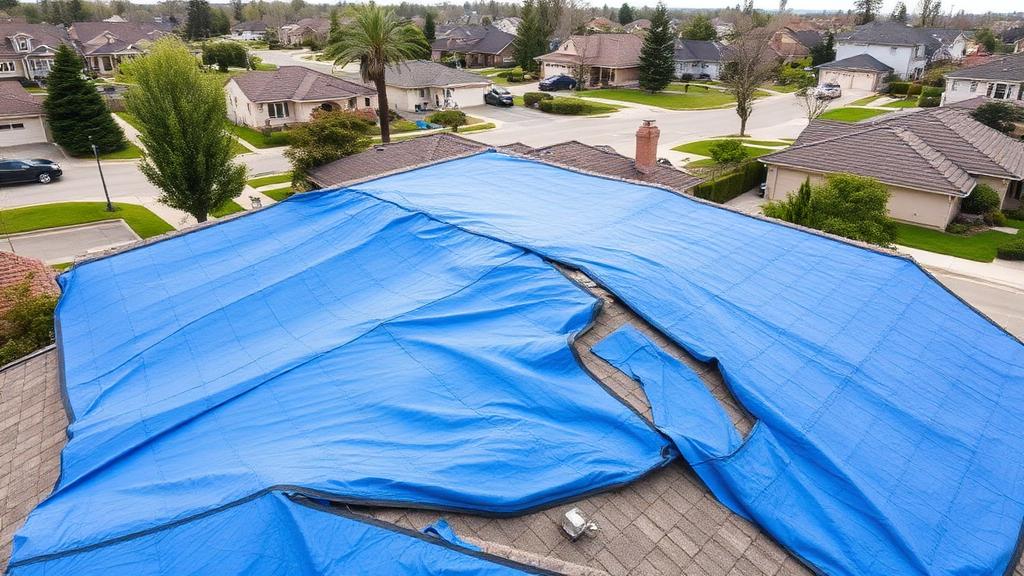
Emergency Repairs: Make only necessary emergency repairs. Document everything and keep all receipts.
Notify Insurer Immediately: Florida requires prompt notification. Most policies have specific deadlines.
FEMA Assistance: Register with FEMA for potential additional assistance, but this doesn't replace insurance claims.
Working with Florida Adjusters
Company Adjusters vs. Independent: Understand who represents whom. Company adjusters work for your insurer.
Assignment of Benefits (AOB): Be cautious with AOB agreements. Recent Florida law changes have limited contractor rights under AOB.
Re-inspection Rights: You can request re-inspection if you disagree with the initial assessment.
Florida Insurance Law Protections
Claim Filing Deadline: Florida law requires claims within one year of loss for hurricane damage (changed from three years).
Prompt Payment: Insurers must pay or deny within 90 days of a claim.
Free Reinspection: You're entitled to request a second inspection at no cost.
Roof Requirements for Coverage
Four-Point Inspection: Most carriers require inspections for homes over 20-30 years old, focusing on roof, electrical, plumbing, and HVAC.
Roof Certification: Some insurers require roof certification from licensed contractors.
Upgrade Requirements: Replacement may require upgrading to current Florida Building Code standards.
Conclusion
Florida hurricane insurance requires proactive management. Document your roof, understand your policy, and file claims promptly. Work with contractors experienced in Florida's unique insurance environment.
Find Florida roofing contractors specializing in hurricane restoration claims.