Fort Worth Roofing Guide: Tarrant County Homeowner Resource
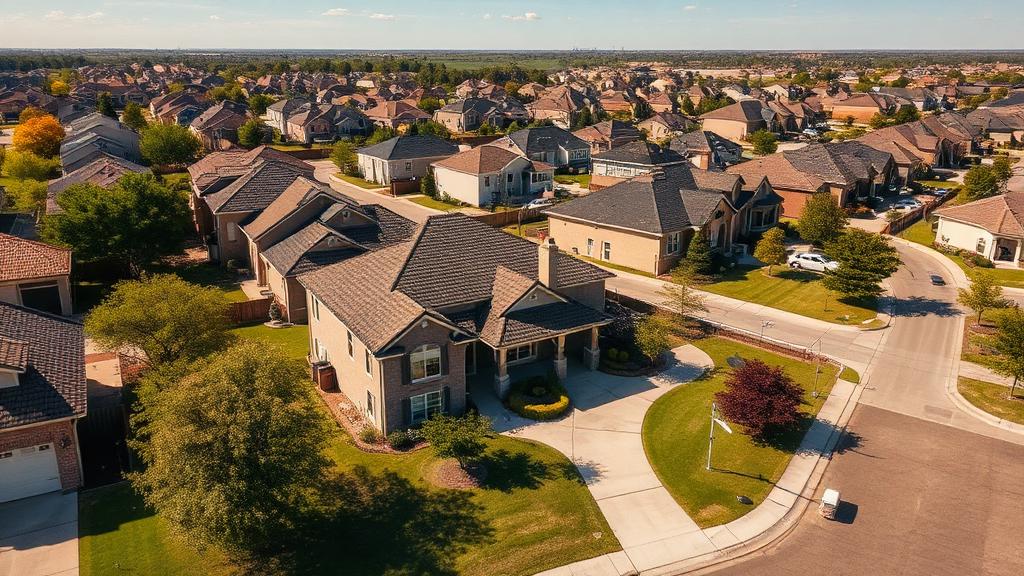
Fort Worth homeowners face significant roofing challenges that require careful material selection and expert installation. From the historic Stockyards to modern neighborhoods in Alliance, Tarrant County properties must withstand severe hail, extreme heat, and occasional winter ice events. This comprehensive guide covers everything Fort Worth residents need for roofing success.
Understanding Fort Worth Weather Patterns
Fort Worth shares many climate characteristics with neighboring Dallas while experiencing some unique weather patterns that affect roofing performance and material selection.
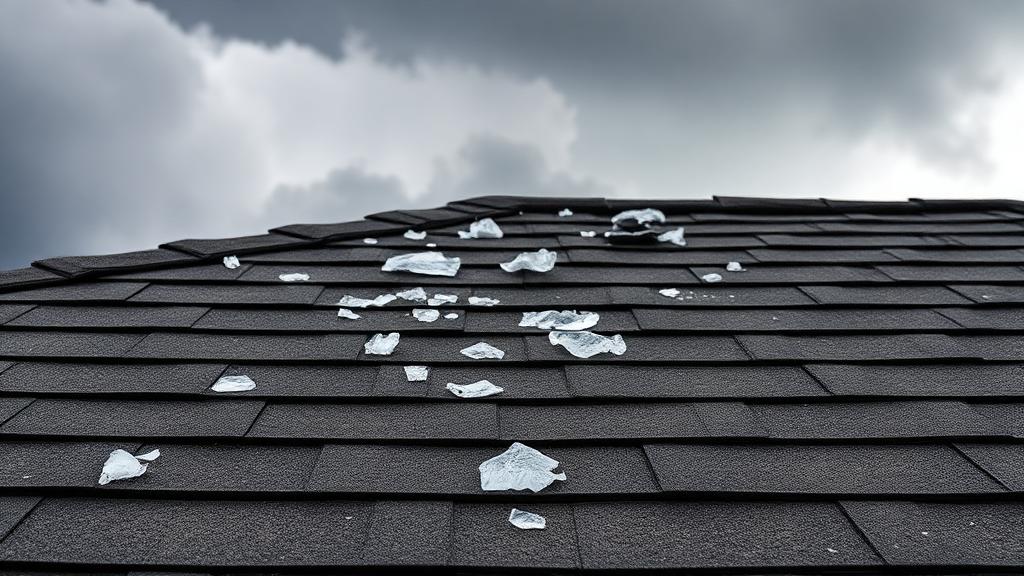
Severe Hail Season: Like the rest of North Texas, Fort Worth experiences significant hail during spring storm season from March through June. Major hail events occur annually, with some years bringing multiple damaging storms. Properties in western Tarrant County often experience slightly different storm tracks than Dallas, sometimes receiving more or less damage depending on specific storm paths. Understanding your areas historical storm patterns helps inform material decisions.
Extreme Summer Heat: Fort Worth summers bring extended periods of temperatures exceeding 100 degrees Fahrenheit. This intense heat accelerates asphalt shingle aging, causes thermal expansion stress on all roofing systems, and dramatically increases attic temperatures in poorly ventilated homes. Proper roof ventilation and heat-reflective materials significantly extend roof life and reduce cooling costs during the brutal summer months.
Severe Thunderstorm Winds: Fort Worth regularly experiences severe thunderstorm winds that test roofing system integrity. Straight-line winds exceeding 60-70 mph occur several times annually during storm season. Proper installation with enhanced wind resistance measures protects against wind uplift and shingle loss. Six-nail installation patterns and properly sealed starter strips provide essential wind protection.
Winter Ice Events: While not as frequent as summer storms, winter ice events periodically affect Fort Worth. The February 2021 winter storm demonstrated the vulnerability of unprepared homes to ice accumulation and freeze-thaw damage. Proper ice and water shield installation and adequate attic insulation prevent ice dam formation and associated interior water damage.
Popular Roofing Materials in Fort Worth
Fort Worth homeowners have extensive material options suited to local conditions. Understanding each materials performance characteristics helps match selections to specific neighborhood aesthetics and performance requirements.
Class 4 Impact-Resistant Shingles: Impact-resistant shingles have become the default choice for storm-conscious Fort Worth homeowners. These products feature modified asphalt and reinforced mat construction that withstands hail impacts without cracking or losing protective granules. Texas insurance companies routinely offer 15-28% premium discounts for verified Class 4 installations, often recovering the additional material cost within 3-5 years.
Architectural Shingles: Dimensional or architectural shingles provide enhanced aesthetics and improved durability compared to basic three-tab products. Multiple granule layers and heavier construction deliver 30-50 year rated lifespans when properly installed. Higher-end architectural shingles often incorporate impact-resistant features, combining aesthetic appeal with storm protection.
Metal Roofing: Standing seam and metal shingle roofing has grown dramatically throughout Tarrant County. Metal roofing handles hail without visible damage except in the most extreme events, reflects solar heat reducing cooling loads, and provides 50+ year service life. Modern metal roofing systems come in numerous profiles and colors that complement any architectural style from traditional to contemporary.
Tile Roofing Options: Spanish, Mediterranean, and flat concrete tile roofing appears throughout Fort Worth, particularly in upscale neighborhoods like Westover Hills and Rivercrest. Quality tile installation provides exceptional longevity and outstanding hail resistance. Tile roofing suits homes with adequate structural capacity and enhances property values in appropriate neighborhoods.
Fort Worth Roofing Costs
Roofing costs in Fort Worth remain competitive with the broader DFW market while reflecting local material preferences and contractor availability.
Standard Asphalt Shingles: $4.25-$6.50 per square foot installed. Basic three-tab shingles fall at the lower end while mid-grade architectural products occupy the middle range.
Impact-Resistant Shingles: $5.75-$8.50 per square foot. The premium over standard materials ranges from 25-40% but insurance savings typically offset this additional cost over time.
Metal Roofing Systems: $7.50-$13.00 per square foot for quality installations. Standing seam systems typically cost more than metal shingles. Premium finishes and complex roof designs increase costs toward the higher end.
Tile Roofing: $10.00-$18.00 per square foot depending on tile type and installation complexity. Structural reinforcement requirements add additional costs for some homes.
Storm Damage Response Process
Fort Worth homeowners should understand proper storm damage response to maximize insurance recovery and ensure quality repairs.
Safety Assessment: After severe storms, assess safety before inspecting damage. Watch for fallen power lines, unstable trees, and structural damage. If significant roof damage appears, prevent further interior damage by placing containers under leaks and covering furniture.
Document Everything: Photograph all visible damage before making temporary repairs. Document interior water damage including stained ceilings and walls. This evidence proves essential for insurance claims and contractor scope development.
Insurance Notification: Report damage to your insurance company promptly. Most policies require timely notification of potential claims. Provide basic damage description without specifying repair scope until professional inspection occurs.
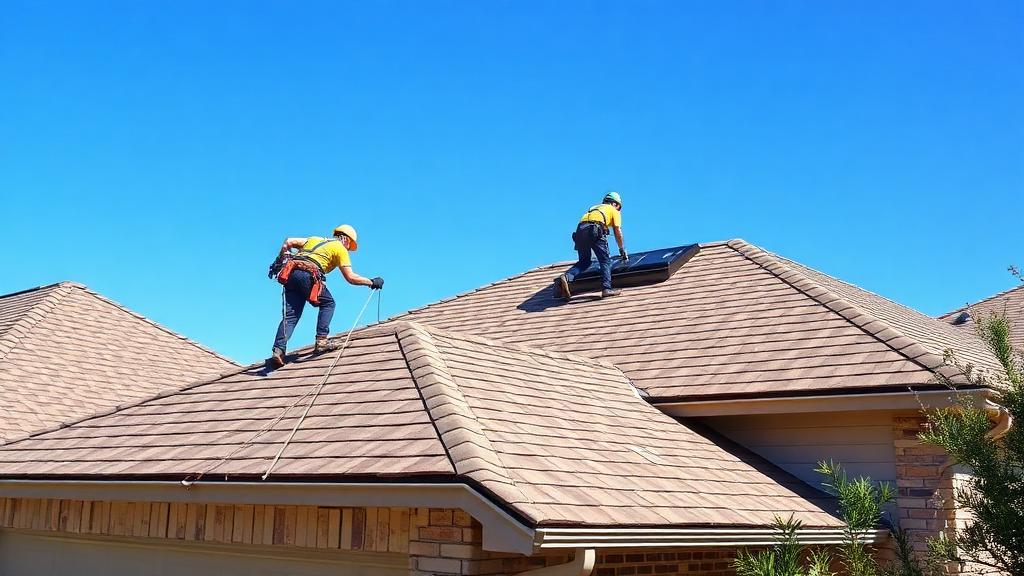
Professional Inspection: Schedule inspection by a qualified roofing contractor experienced with storm damage assessment. Quality contractors identify damage patterns that homeowners and even insurance adjusters might miss. Request that your contractor attend the insurance adjuster inspection to ensure complete damage documentation.
Selecting Fort Worth Roofing Contractors
Contractor selection significantly impacts project outcomes. Fort Worth offers many options from established local companies to national franchises.
Tarrant County Experience: Prioritize contractors with substantial local experience. Understanding Fort Worth building codes, common neighborhood HOA requirements, and local permit processes streamlines projects and prevents complications.
Storm Damage Expertise: Choose contractors experienced with insurance claims and storm damage repairs. This expertise ensures proper scope development and smooth claims processes.
Quality Installation Focus: Verify that contractors emphasize installation quality rather than just material sales. Request information about installation techniques, crew experience, and quality control processes.
Communication and Professionalism: Quality contractors maintain clear communication throughout projects. Expect prompt responses, written proposals, and professional conduct from initial contact through project completion.
Conclusion
Fort Worth roofing requires weather-resistant materials and experienced installation to handle Tarrant County conditions. Impact-resistant products provide essential hail protection while proper installation techniques ensure wind resistance and long-term performance. Working with experienced local contractors who understand Fort Worth neighborhoods leads to successful projects and lasting roof protection.
Ready to find a qualified contractor? Browse Fort Worth roofers for your Tarrant County roofing project.