Full Roof Replacement vs. Partial Replacement: Making the Right Choice
Deciding between full roof replacement and partial replacement requires careful evaluation of your roof's condition, age, and long-term value. This comprehensive guide helps you understand when each option makes sense and how to make the most cost-effective decision for your situation.
Understanding Your Options
Both approaches have legitimate applications depending on circumstances.
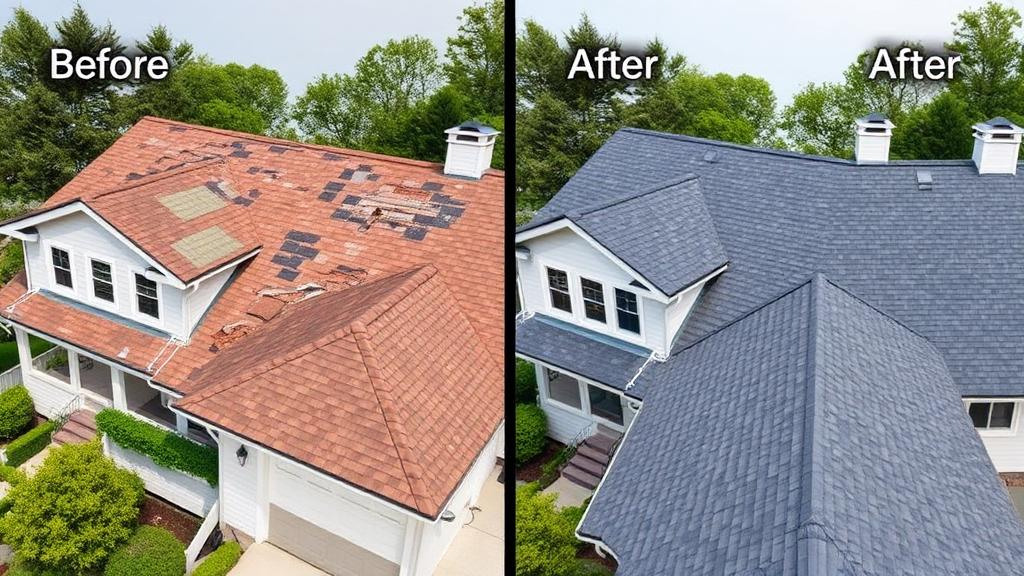
Full Roof Replacement:: - Complete removal of existing roofing - New installation from decking up - Uniform appearance and age - Comprehensive warranty coverage - Addresses all underlying issues
Partial Roof Replacement:: - Replacing only damaged sections - Matching new materials to existing - Lower immediate cost - Faster completion - Limited scope of work
When Full Replacement Makes Sense
Complete replacement becomes the better value in several situations.
Age-Related Indicators:: - Roof approaching end of expected lifespan - Widespread granule loss throughout - Multiple areas showing wear - Original installation over 15-20 years old - Previous partial repairs visible
Condition Indicators:: - Damage exceeds 30% of roof area - Multiple leaks in different locations - Structural concerns visible - Ventilation inadequate throughout - Insurance total loss determination
Value Considerations:: - Energy efficiency upgrade opportunity - Home sale planned within 5 years - Material upgrade desired - Comprehensive warranty preferred - Long-term cost optimization
For signs indicating replacement need, see our replacement signs guide.
When Partial Replacement Makes Sense
Limited replacement works well in specific circumstances.
Appropriate Situations:: - Localized damage from tree impact - Single section storm damage - Relatively new roof overall (under 10 years) - Budget constraints with healthy remainder - Insurance covers only specific area
Requirements for Success:: - Matching materials available - Remaining roof in good condition - Isolated damage area - Proper integration possible - Reasonable aesthetic match
Limitations to Consider:: - May not match existing color exactly - Different aging patterns visible - Limited warranty on partial work - Potential for additional work later
Cost Comparison Analysis
Financial analysis helps clarify the best choice.
Partial Replacement Costs:: - Lower immediate expense - Per-square pricing often higher - Matching materials may cost more - May need additional work later
Full Replacement Costs:: - Higher initial investment - Better per-square pricing - Comprehensive solution - Eliminates future partial repairs
Break-Even Analysis Example:
| Scenario | Partial Now | Full Now |
|---|---|---|
| Initial Cost | $4,000 | $12,000 |
| Remaining Roof Life | 5 years | 25+ years |
| Second Partial in 3 Years | $6,000 | N/A |
| Full Replacement in 5 Years | $15,000 | N/A |
| 10-Year Total | $25,000 | $12,000 |
This example shows how partial repairs on aging roofs often cost more long-term.
Material Matching Challenges
Partial replacement creates unique material considerations.
Matching Difficulties:: - Manufacturers discontinue colors - Existing shingles weathered differently - Granule colors fade over time - Dimensional profiles may differ - Lot variations between purchases
Best Matching Practices:: - Locate material from original manufacturer - Request sample for comparison - Consider entire visible plane replacement - Accept some color variation reality - Plan for blend-in over time
Warranty Implications
Coverage differs significantly between approaches.
Full Replacement Warranties:: - Complete manufacturer warranty on all materials - Workmanship warranty covers entire roof - System warranties available from certified installers - Clear coverage for future issues
Partial Replacement Warranties:: - New section only covered - Integration areas may have limited coverage - Existing section maintains original warranty - Potential gaps in coverage
Long-Term Value:: Full replacement provides cleaner warranty protection and eliminates coverage questions.
Structural Considerations
Underlying structure affects the decision.
Full Replacement Advantages:: - Complete decking inspection possible - All ventilation updated - Flashing replaced throughout - Code compliance verified entirely
Partial Replacement Limitations:: - Only affected decking visible - Integration with existing ventilation - Flashing compatibility challenges - Code compliance questions
For ventilation importance, see our ventilation guide.
Insurance Claim Considerations
Insurance involvement affects the analysis.
Total Loss Determinations:: - Insurance may require full replacement - Recoverable depreciation on complete roof - Professional documentation supports claims
Partial Damage Claims:: - Coverage limited to damaged area - Matching may be covered - Line-item pricing reviewed closely
Claim Strategy:: - Get independent assessment first - Document entire roof condition - Understand your policy coverage - Consider supplemental claims
For insurance guidance, see our insurance claim guide.
Making Your Decision
Systematic evaluation leads to confident choices.
Step 1: Professional Assessment - Get comprehensive roof inspection - Document overall condition - Identify all problem areas - Understand remaining lifespan
Step 2: Cost Analysis - Get quotes for both options - Calculate long-term costs - Consider financing options - Factor in energy savings
Step 3: Value Evaluation - Weight warranty benefits - Consider curb appeal impact - Assess resale value effects - Review your timeline plans
Step 4: Final Decision - Review all factors together - Trust professional recommendations - Consider peace of mind value - Make informed choice
Hybrid Approaches
Sometimes combinations make sense.
Plane-by-Plane Replacement:: - Replace entire visible sections - Better matching than patches - Staged investment approach - Clear boundaries for work
Staged Full Replacement:: - Front or visible sections first - Complete remaining sections later - Budget-friendly approach - Consistent end result
Common Mistakes to Avoid
Learn from others' experiences.
Partial Replacement Mistakes:: - Choosing partial on very old roofs - Ignoring early signs of widespread issues - Accepting poor material matches - Not addressing underlying problems
Full Replacement Mistakes:: - Replacing recently installed quality roofing - Not exploring insurance coverage - Choosing cheapest materials - Selecting unqualified contractors
Contractor Recommendations
What professionals typically advise.
When Contractors Recommend Full:: - Roof age exceeds 15-20 years - Multiple problem areas exist - Previous patches visible - Overall condition poor
When Contractors Recommend Partial:: - Isolated damage on newer roof - Insurance covers specific area - Matching materials available - Rest of roof excellent condition
Getting Second Opinions:: Multiple assessments help validate recommendations, especially for significant investments.
Conclusion
The choice between full and partial roof replacement depends on your roof's age, overall condition, damage extent, and long-term plans. While partial replacement costs less initially, full replacement often provides better value when roofs approach mid-life or show widespread wear. Professional assessment and honest evaluation of all factors leads to the decision that protects your home and investment best.
Ready for professional roof assessment? Find qualified local contractors for comprehensive evaluations and honest recommendations.