Georgia Storm Damage Insurance: Claims Guide for Atlanta and Beyond
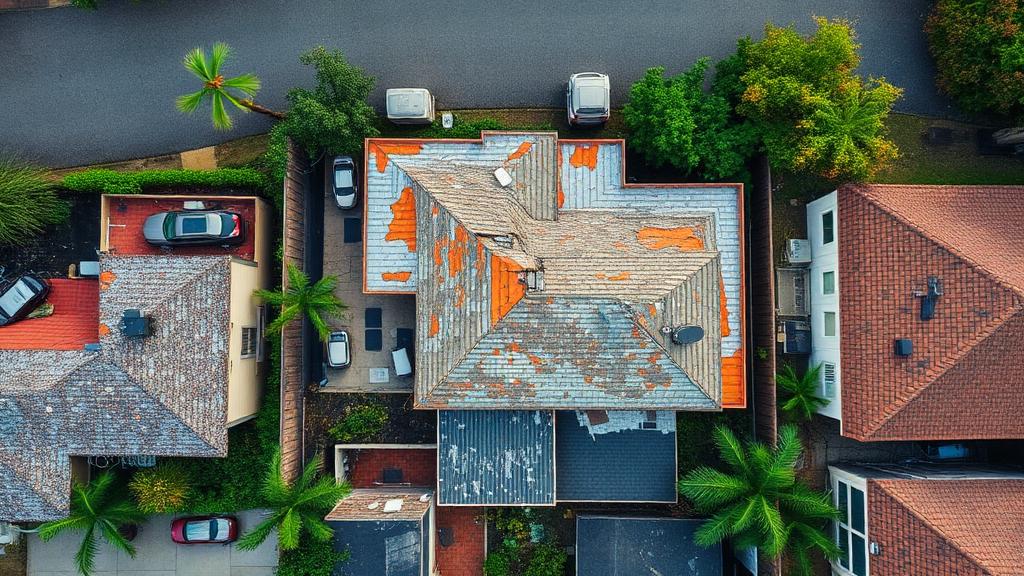
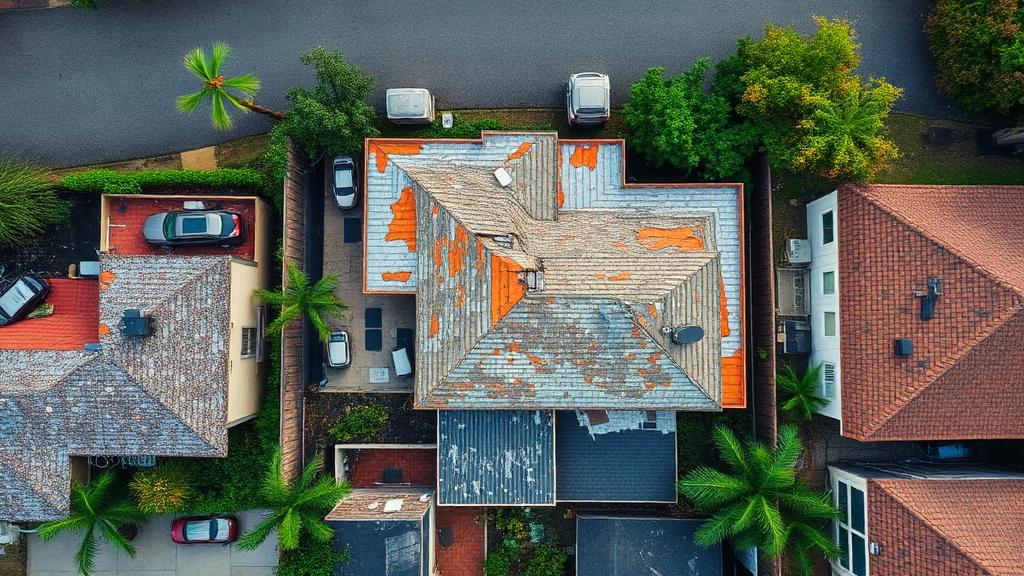
Georgia's position in the Southeast brings diverse weather threats including severe thunderstorms, tornadoes, and tropical systems. Understanding your insurance coverage and claims process protects your home investment.
Georgia Weather Threats
Severe Thunderstorms: Georgia experiences frequent damaging thunderstorms with high winds and hail.
Tornado Activity: The state sees approximately 30 tornadoes annually, primarily in spring.
Tropical Systems: Coastal and central Georgia face hurricane and tropical storm impacts.
Ice Storms: North Georgia occasionally experiences damaging ice storms.
Georgia Insurance Policy Basics
Standard Coverage: Most Georgia homeowner policies cover wind, hail, and storm damage.
Hurricane Deductibles: Coastal Georgia policies may have separate hurricane deductibles.
Named Storm Deductibles: Some policies apply percentage deductibles for named storms statewide.
Documenting Storm Damage
Immediate Photos: Photograph all damage before temporary repairs.
Weather Verification: Note the storm date and type for claim filing.
Interior Damage: Document any water intrusion from roof damage.
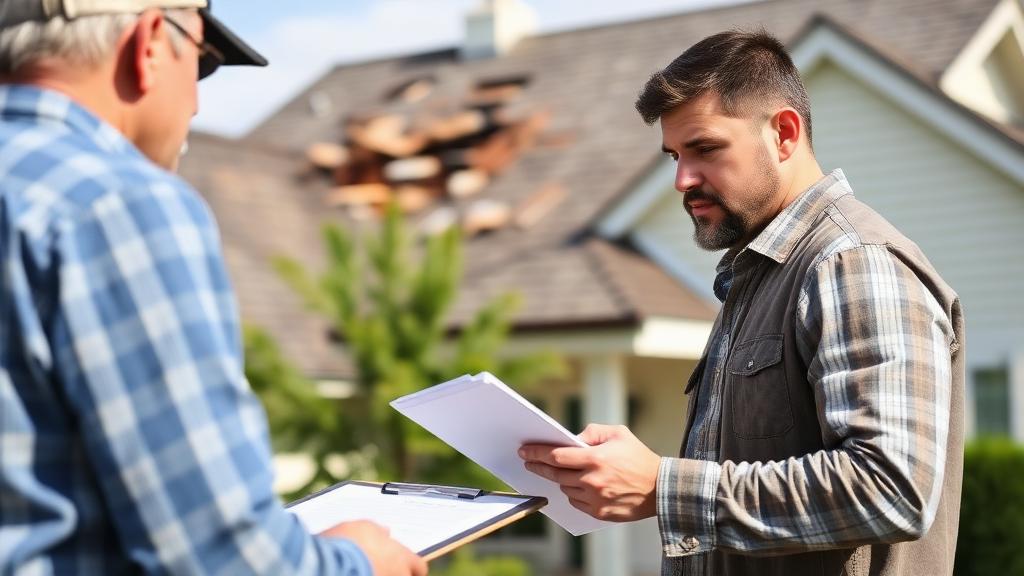
Professional Inspection: Have a licensed contractor assess and document damage.
Filing Georgia Storm Claims
Prompt Notification: Contact your insurer within 24-48 hours of damage discovery.
Claim Number: Document your claim number and adjuster contact information.
Written Scope: Request a written scope of the adjuster's damage assessment.
Contractor Estimates: Provide your contractor's estimate for comparison.
Working with Georgia Adjusters
Accompany the Adjuster: Be present during roof inspections.
Question Denials: Challenge any damage attributed to wear rather than storm.
Supplement Requests: File supplements for additional damage discovered during repairs.
Georgia Insurance Regulations
Claims Deadline: File claims promptly—policies have specific time limits.
Prompt Payment: Georgia law requires timely claim processing.
Dispute Options: Georgia Department of Insurance handles consumer complaints.
Choosing Repair Contractors
Georgia License: Verify contractors hold appropriate Georgia licenses.
Storm Experience: Choose contractors experienced with insurance restoration.
Local References: Request references from recent Georgia projects.
Written Contracts: Ensure all terms are documented before work begins.
Preventing Future Claims
Regular Inspections: Annual inspections catch problems before storms.
Tree Maintenance: Trim trees that threaten your roof during storms.
Material Upgrades: Consider impact-resistant materials during replacement.
Conclusion
Georgia storm damage claims require documentation and persistence. Work with licensed contractors experienced in insurance restoration. Understand your policy terms and file claims promptly after storm events.
Find Georgia roofing contractors for storm damage restoration.