Hail Damage Roof Insurance Claims in Denver: Step-by-Step 2026 Guide
Hail Damage Roof Insurance Claims in Denver: The 2026 Expert Guide
Denver experiences more hail events than almost any major US city, with the Front Range corridor seeing an average of 7-10 significant hail days per year. For Denver homeowners, understanding the hail damage claim process is not a matter of if but when.
This comprehensive 2026 guide walks you through every step of the insurance claim process specific to Colorado's unique regulatory environment.
Identifying Hail Damage on Your Roof
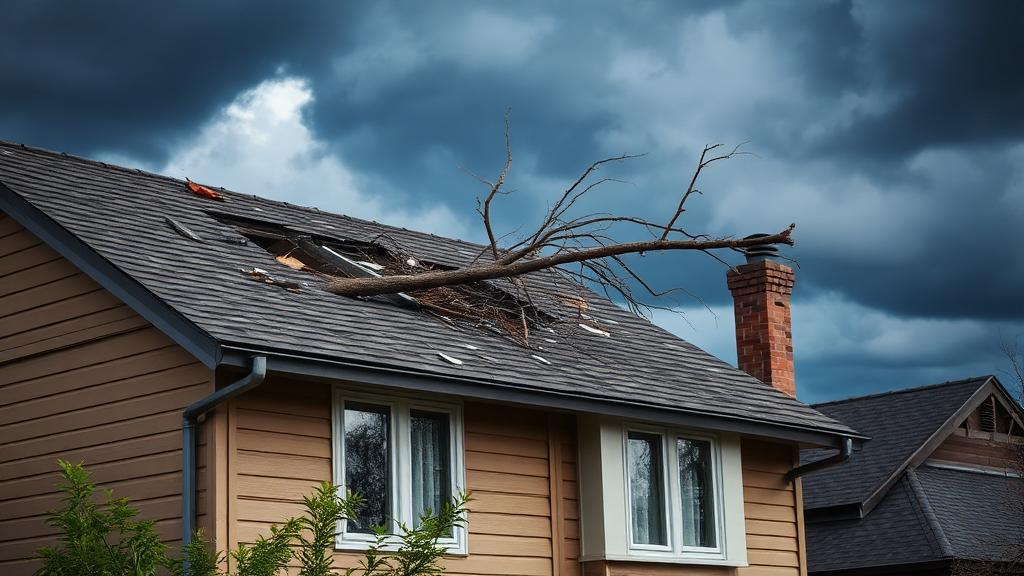
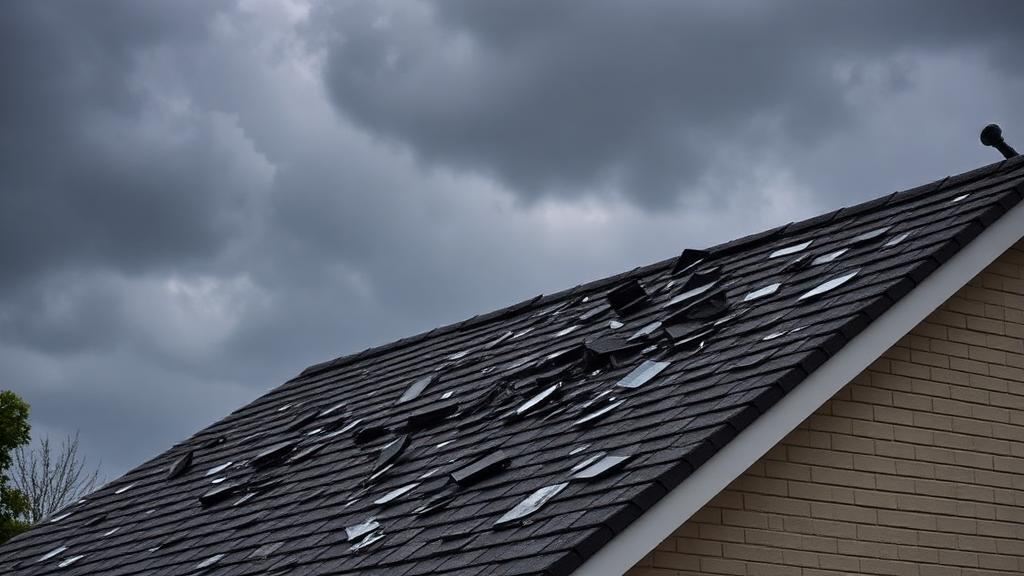
Asphalt Shingle Damage Signs
- Bruising: Soft spots where granules have been dislodged, leaving dark marks
- Cracking: Visible fractures in the shingle mat
- Granule loss: Exposed black asphalt substrate visible from the ground
- Missing shingles: Tabs or entire shingles blown off by hail-associated winds
Metal Component Damage
- Dents in flashing: Around chimneys, vents, and valleys
- Gutter denting: Visible dents in gutters and downspouts
- Vent damage: Crushed or dented roof vents and pipe boots
Collateral Damage Indicators
- Dents in window screens, AC units, and car surfaces
- Damage to painted surfaces on the home's exterior
- Broken outdoor light fixtures or mailboxes
The Colorado Insurance Claim Process
Step 1: Document Everything (Day 1)
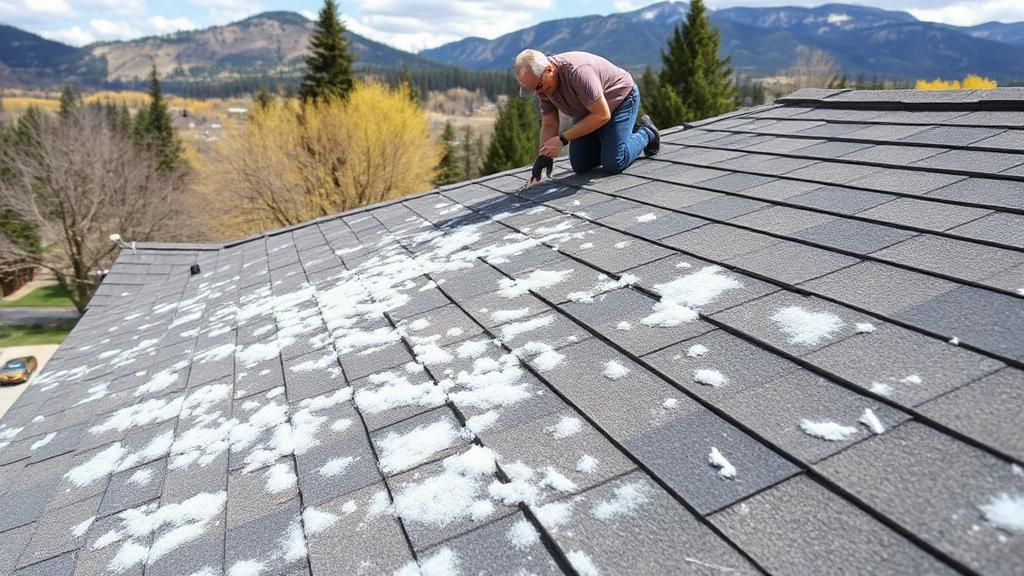
Immediately after a hail event: - Photograph all visible damage (roof, gutters, siding, windows) - Note the date, time, and approximate hail size - Check local weather reports for official hail size documentation - Save receipts for any emergency repairs
Step 2: File Your Claim Promptly (Days 1-3)
Colorado law requires insurers to acknowledge claims within 15 business days. File promptly: - Call your insurance company's claims hotline - Request and record your claim number - Ask about your specific policy's hail coverage, deductible, and any cosmetic damage exclusions
Step 3: Get Independent Estimates (Days 3-7)
Before the insurance adjuster visits: - Obtain 2-3 written estimates from licensed Denver roofing contractors - Ensure estimates are detailed, line-item formats that match insurance adjuster terminology - Ask contractors about their experience with Colorado insurance restoration
Step 4: Insurance Adjuster Inspection (Weeks 1-3)
When the adjuster visits: - Be present during the inspection - Have your contractor present if possible (many Denver roofers offer free adjuster meeting services) - Point out all damage areas, including collateral damage - Provide your independent estimates for reference - Don't accept a verbal assessment—request a written scope of work
Step 5: Review the Insurance Estimate (Weeks 2-4)
Compare the insurance adjuster's estimate against your contractor's estimate: - Check that all damaged areas are included - Verify material specifications match what's currently installed - Ensure proper quantities for underlayment, flashing, and accessories - Confirm labor rates reflect Denver market pricing
Step 6: Negotiate if Necessary
If the insurance estimate falls short: - Submit a written supplement request with documentation - Include photos, contractor estimates, and manufacturer requirements - Colorado insurance regulations give homeowners the right to dispute claim amounts - Consider hiring a licensed public adjuster if the gap is significant ($5,000+)
Colorado-Specific Insurance Regulations
Important 2026 Regulations
- Cosmetic damage exclusions: Many Colorado policies now exclude coverage for hail damage that is cosmetic only (doesn't affect function). Review your policy carefully.
- Depreciation recovery: Colorado allows recoverable depreciation—you receive the depreciated value initially, then the remaining amount after repairs are completed.
- Contractor restrictions: Colorado law prohibits contractors from absorbing or paying your deductible.
Understanding Your Deductible
Most Denver homeowner policies use either: - Flat deductible: $1,000-$2,500 per claim - Percentage deductible: 1-2% of insured value (for a $500,000 home, this is $5,000-$10,000)
Choosing a Denver Hail Damage Contractor
What to Look For
- Local presence: Established Denver-area business (not storm chasers)
- Insurance restoration experience: Familiar with Xactimate software and insurance scope writing
- Supplementing expertise: Ability to identify and document damage the adjuster may have missed
- References: Recent Denver hail damage restoration projects
Red Flags
- Contractors who offer to waive your deductible (illegal in Colorado)
- Door-to-door solicitors immediately after storms
- Pressure to sign contracts before the insurance adjuster visits
- Companies with no local business address
Preventing Future Hail Damage
When replacing your hail-damaged roof, consider upgrading to:
- Class 4 impact-resistant shingles: Reduces future claim risk and earns insurance discounts of 15-35%
- Metal roofing: Superior hail resistance with 40-70 year lifespan
- Stone-coated steel: Combines metal durability with shingle aesthetics
Conclusion
Navigating a hail damage insurance claim in Denver requires preparation, documentation, and partnership with experienced local professionals. Follow this guide systematically to maximize your claim and ensure your roof is properly restored.
Use RoofingPros to find verified Denver roofing contractors with proven insurance restoration experience and hail damage expertise.