Hail Damage Roof Repair in Minneapolis: What Every Homeowner Needs to Know in 2026
Minneapolis and the greater Twin Cities area experience some of the most frequent and severe hailstorms in the United States. In 2026, understanding how to identify, document, and repair hail damage is essential for every Minneapolis homeowner. This comprehensive guide covers everything from initial damage assessment to insurance claims and contractor selection.
How Common Is Hail Damage in Minneapolis?
Minnesota consistently ranks among the top 10 states for hail damage claims. The Twin Cities metro area averages 3-5 significant hailstorms per year, typically between May and September. In recent years, hail damage claims in the Minneapolis area have averaged over $1 billion annually, making it one of the most hail-prone metropolitan areas in the country.
Identifying Hail Damage on Your Minneapolis Roof
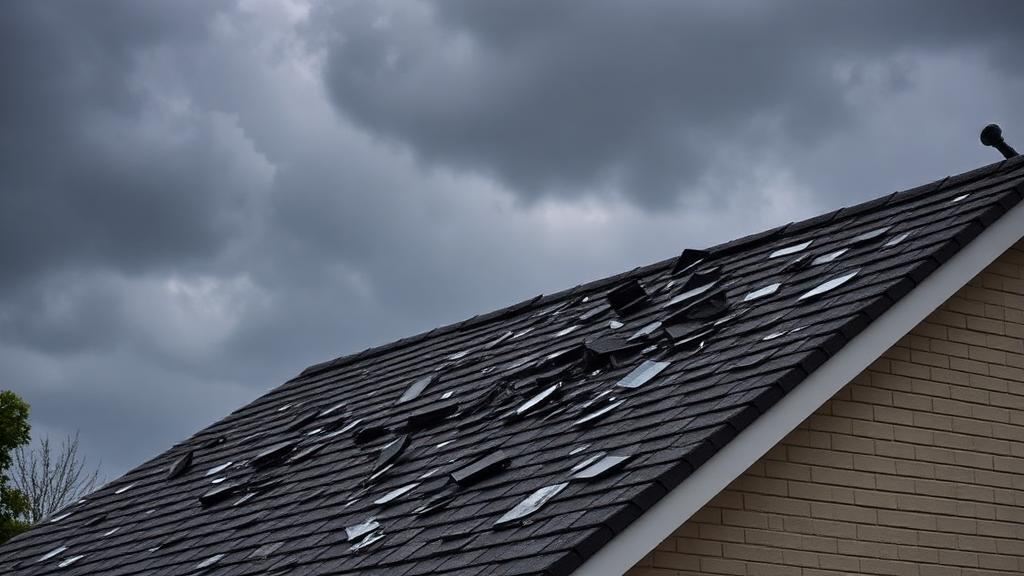
Asphalt Shingle Damage Signs - Bruising: Dark spots where granules have been knocked loose, revealing the black asphalt substrate - Cracking: Visible fractures or splits in shingles from impact - Granule Loss: Excessive granules accumulating in gutters and downspouts - Exposed Fiberglass Mat: Severe hits that penetrate through the asphalt coating - Soft Spots: Areas that feel spongy when pressed, indicating underlying damage to the mat
Metal Roof Damage Signs - Dents: Visible indentations on metal panels or flashing - Paint Chipping: Impact marks where protective paint has been displaced - Seam Damage: Loosened or separated seams from severe impacts
Other Areas to Check - Gutters and Downspouts: Dents, dings, and displaced paint - Siding: Impact marks on vinyl, wood, or fiber cement siding - Window Screens: Tears, holes, or stretched mesh - AC Units: Bent fins and housing damage - Skylights: Cracks, chips, or seal damage - Chimney Caps: Dents and displacement
Steps to Take After a Minneapolis Hailstorm
1. Document Everything Immediately - Photograph all damage from multiple angles, including close-ups and wide shots - Record the date and time of the storm - Note the reported hail size from local weather reports - Save any emergency repair receipts for temporary fixes - Contact neighbors to see if they experienced similar damage
2. Perform a Safe Ground-Level Assessment Never climb onto your roof after a hailstorm. Instead, use binoculars to inspect from the ground and look for: - Missing or displaced shingles - Visible dents in metal components - Debris accumulation - Damaged ridge caps or vents
3. Contact Your Insurance Company File your claim as soon as possible. Minnesota law gives insurers 30 days to acknowledge your claim and 60 days to approve or deny it.
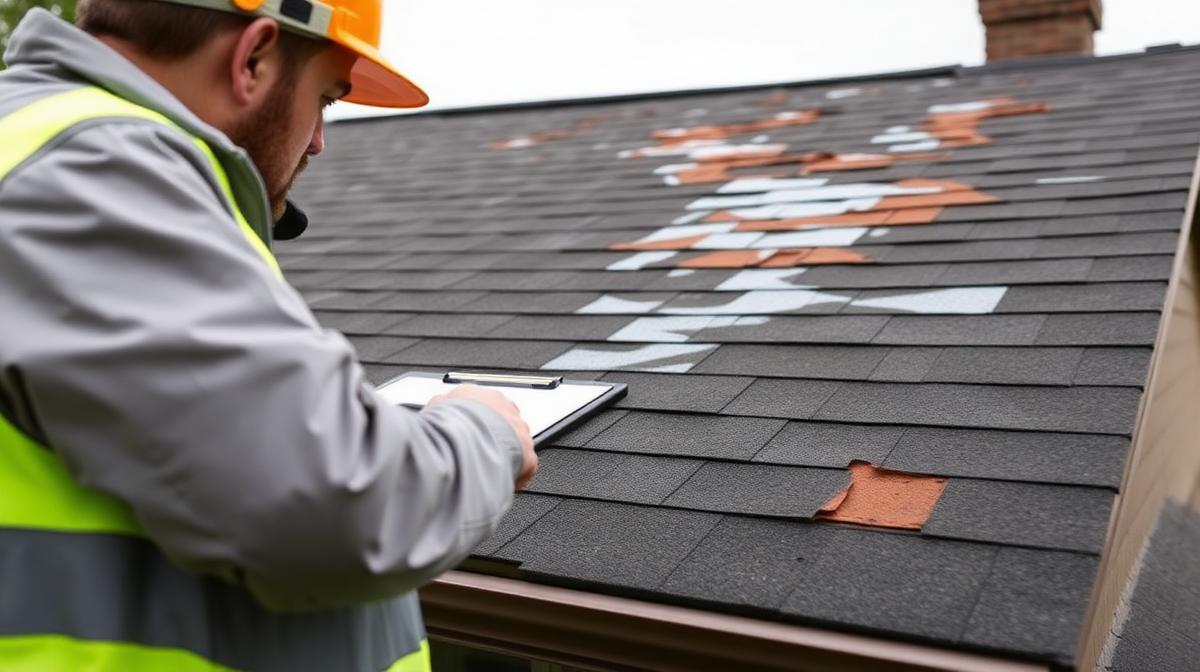
4. Schedule a Professional Inspection Have a licensed Minneapolis roofing contractor inspect your roof before the insurance adjuster arrives. A professional can identify damage you might miss and provide detailed documentation to support your claim.
Minneapolis Hail Damage Repair Costs (2026)
| Repair Type | Average Cost Range |
|---|---|
| Minor Shingle Repair (1-10 shingles) | $200 – $600 |
| Moderate Repair (partial area) | $800 – $2,500 |
| Full Roof Replacement (asphalt) | $9,000 – $16,000 |
| Full Roof Replacement (metal) | $15,000 – $32,000 |
| Gutter Repair/Replacement | $500 – $2,500 |
| Flashing Repair | $200 – $800 |
Filing an Insurance Claim for Hail Damage in Minneapolis
Understanding Your Minnesota Homeowners Policy - Deductible: Most Minneapolis homeowners have deductibles ranging from $1,000 to $2,500. Some policies now use percentage-based deductibles (1-2% of home value) for wind and hail claims - Coverage Type: Replacement Cost Value (RCV) policies pay the full cost to replace damaged materials at current prices, while Actual Cash Value (ACV) policies deduct depreciation - Claim Timeline: File within one year of the storm date for best results
Tips for a Successful Insurance Claim 1. Don't delay – File your claim within days of the storm, not weeks or months 2. Document thoroughly – Photos, videos, and written descriptions strengthen your claim 3. Get a professional inspection – A contractor's written assessment adds credibility 4. Be present for the adjuster visit – Walk the property with them and point out damage 5. Get a second opinion – If the adjuster's estimate seems low, request a re-inspection 6. Keep all communication in writing – Email confirmations and save letters
Red Flags to Avoid - Storm chasers who show up uninvited after storms offering "free" inspections - Contractors who want to negotiate directly with your insurance company - Anyone requesting full payment upfront before work begins - Companies without a verifiable Minneapolis-area address and phone number - Contractors who pressure you to sign a contract on the spot
Choosing a Hail Damage Repair Contractor in Minneapolis
Essential Qualifications - Minnesota contractor license (verify at the MN Department of Labor) - General liability insurance (minimum $1 million recommended) - Workers' compensation insurance for all employees - Local Minneapolis-area office with verifiable address - Manufacturer certifications (GAF, CertainTeed, Owens Corning) - Strong online reviews and BBB rating
Questions to Ask Before Hiring 1. How long have you been doing hail damage repairs in the Minneapolis area? 2. Can you provide references from recent hail damage projects in my neighborhood? 3. Do you have experience working with my insurance company? 4. What warranty do you offer on hail damage repairs? 5. Will you be using subcontractors or your own crew? 6. Can you provide a detailed, itemized estimate?
Preventing Future Hail Damage to Your Minneapolis Roof
Impact-Resistant Roofing Materials Upgrading to Class 4 impact-resistant shingles is the single best investment Minneapolis homeowners can make. These shingles are tested to withstand impacts from 2-inch steel balls dropped from 20 feet, simulating large hailstones.
Top Class 4 shingles for Minneapolis:: - GAF Timberline AS II (Armor Shield) - CertainTeed Landmark IR - Owens Corning Duration FLEX - TAMKO Heritage IR
Insurance Savings with Impact-Resistant Roofing Minnesota law requires insurers to offer premium discounts for qualifying impact-resistant roofing. In Minneapolis, homeowners typically save: - 5-15% annual premium reduction with verified Class 4 installation - $300-$900 annual savings depending on your coverage level - ROI within 3-7 years on the upgrade investment
Additional Protection Measures - Install hail guards on skylights and roof-mounted equipment - Maintain proper attic ventilation to reduce thermal stress - Trim overhanging trees that could contribute to impact damage - Schedule annual professional inspections to catch developing issues early
When to Repair vs. Replace After Hail Damage
Repair when:: - Damage is limited to a small area (less than 30% of roof) - Only granule loss is present without structural damage - Roof is less than 10 years old with significant remaining life - Insurance covers repair costs adequately
Replace when:: - Damage exceeds 30% of the roof area - Multiple layers of damage are present - Roof was already nearing end of life (15+ years for asphalt) - Structural damage to decking is discovered - Insurance covers full replacement costs
Finding Trusted Minneapolis Roofers
Don't wait until after a hailstorm to find a reliable contractor. Build a relationship with a trusted Minneapolis roofing company before storm season hits. A pre-existing relationship means faster response times, priority scheduling, and better advocacy during the insurance claims process.
Start by comparing top-rated Minneapolis roofing contractors today to find the right partner for your hail damage needs.