Minnesota Hail Damage: Protecting Your North Star State Roof

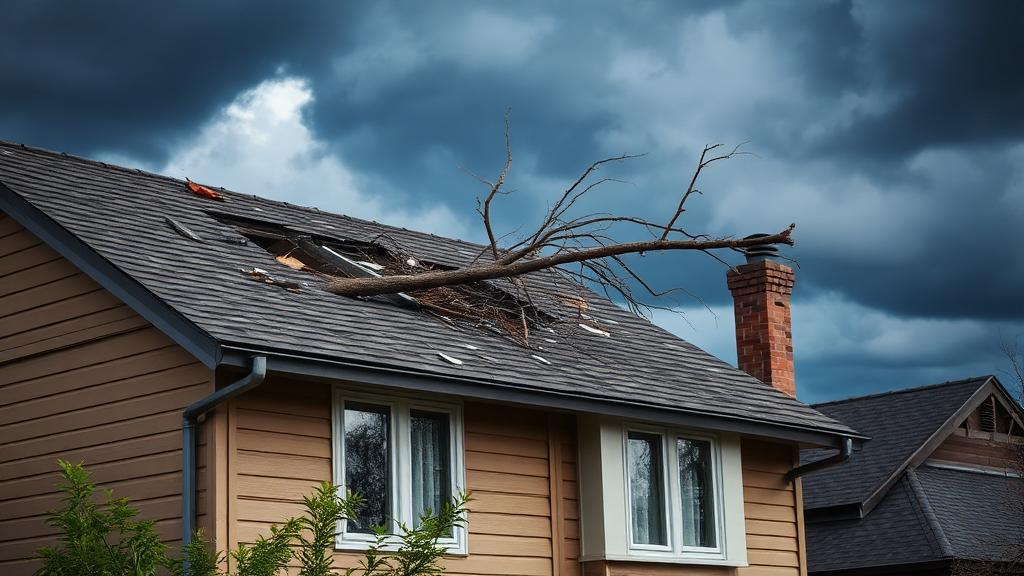
Minnesota experiences significant hail activity during spring and summer months. Understanding hail damage protection helps homeowners make informed decisions.
Minnesota Hail Risk
Frequency: Minnesota experiences multiple significant hail events annually.
Storm Season: May through August brings peak severe weather.
Damage Potential: Hail ranges from pea-sized to baseball-sized or larger.
Impact-Resistant Materials
Class 4 Shingles: Impact-resistant shingles tested to resist 2-inch hail.
Metal Roofing: Steel and aluminum resist hail damage effectively.
Insurance Discounts: Many Minnesota insurers offer discounts for impact-resistant materials.
Signs of Hail Damage
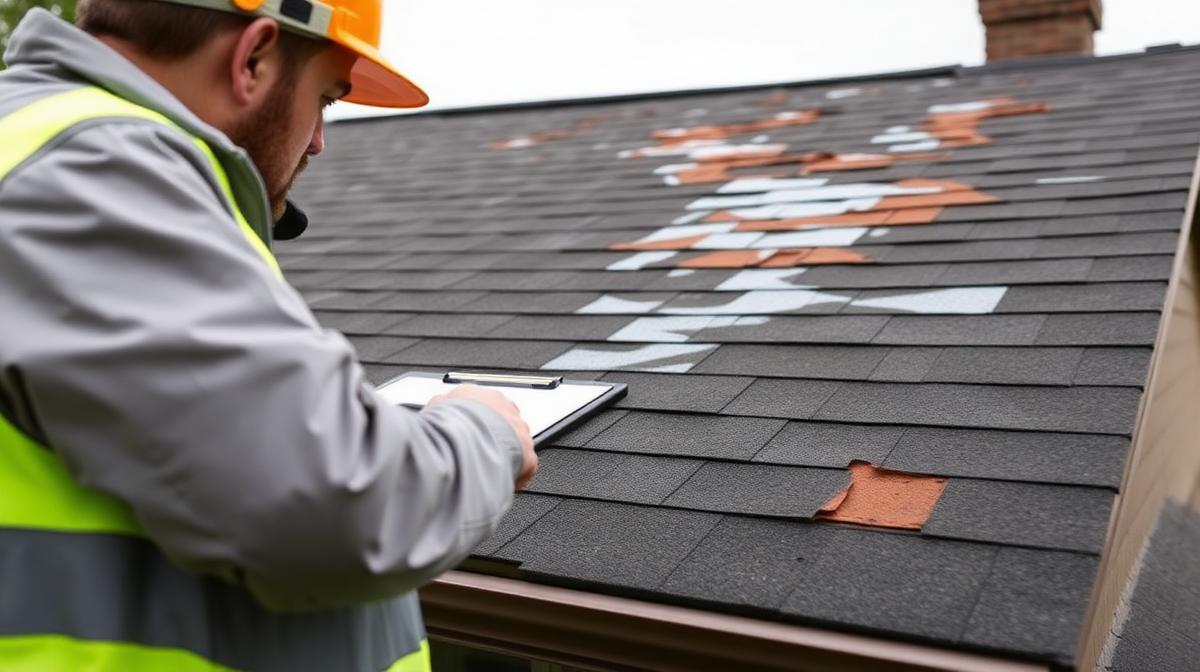
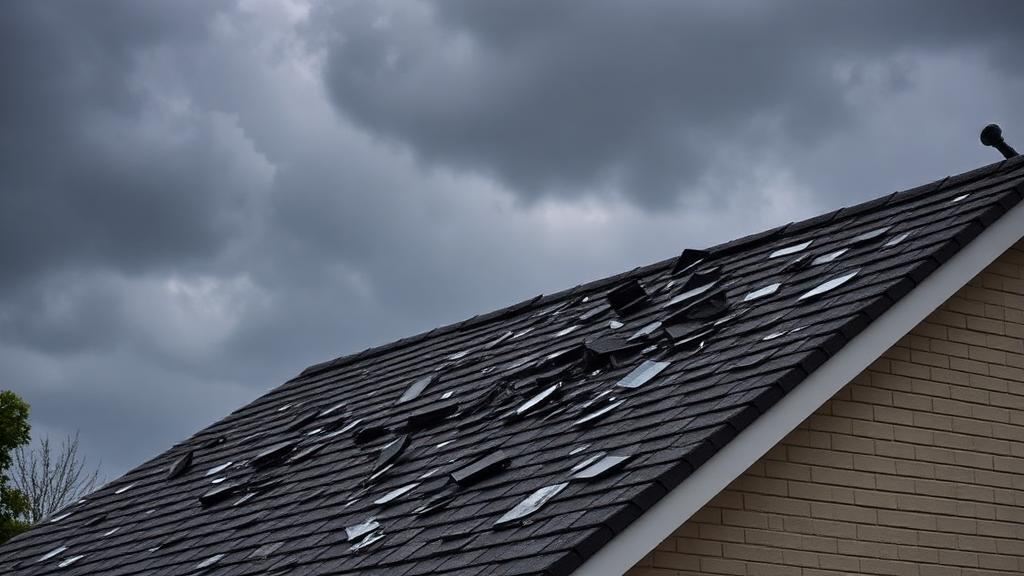
Shingle Damage: Bruises, granule loss, cracks, or exposed mat.
Metal Dents: Check flashing, vents, and gutters for denting.
Soft Metal Damage: Aluminum components show damage most readily.
Post-Storm Assessment
Safety First: Wait for storms to pass completely.
Ground Survey: Check for damage to vehicles, siding, and outdoor items.
Professional Inspection: Have qualified contractor inspect the roof.
Document Thoroughly: Photograph all damage for insurance purposes.
Insurance Claims
Prompt Reporting: File claims within policy timeframes.
Documentation: Provide photos, contractor estimates, and damage descriptions.
Adjuster Meeting: Attend and participate in adjuster inspections.
Contractor Support: Experienced contractors can assist with documentation.
Avoiding Storm Chasers
Local Contractors: Choose established Minnesota contractors.
Verify Licensing: Check Minnesota contractor licenses.
Insurance Verification: Confirm current coverage.
Written Contracts: Require detailed contracts before work.
Conclusion
Minnesota hail risk makes impact-resistant materials worthwhile. Work with licensed local contractors for assessment and repairs.
Need hail damage assessment? Find Minnesota roofing contractors experienced with storm damage.