Hail Damage Signs Every Homeowner Should Know: Complete Identification Guide
Hail storms can strike quickly and leave extensive damage that isn't always immediately visible. Many homeowners fail to recognize hail damage until secondary problems like leaks develop, by which time the opportunity for insurance claims may have passed. This comprehensive guide teaches you to identify all forms of hail damage to your roof, ensuring you can protect your property and file claims promptly.
Understanding Hail and Its Impact
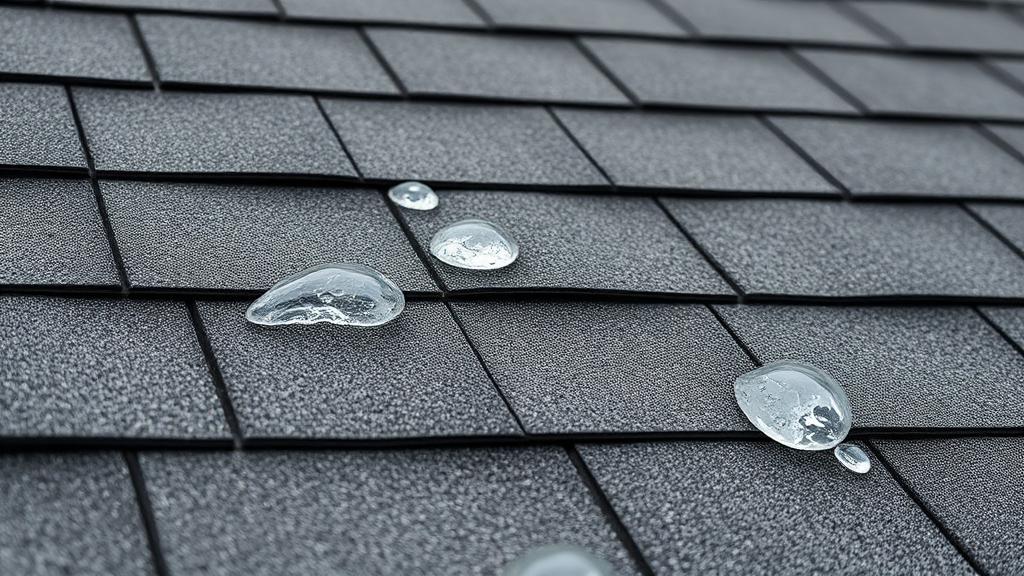
Hail forms when updrafts in thunderstorms carry water droplets into extremely cold atmospheric layers. The resulting ice stones fall at high velocities, and their impact causes different damage depending on stone size, velocity, and roofing material.
Hail Size Classifications:
| Size Description | Diameter | Common Comparison | Damage Potential |
|---|---|---|---|
| Pea | 1/4" | Pea | Minimal |
| Marble | 1/2" | Marble, small grape | Light |
| Dime | 3/4" | Penny, dime | Moderate |
| Quarter | 1" | Quarter | Significant |
| Golf ball | 1-3/4" | Golf ball | Severe |
| Baseball | 2-3/4" | Baseball | Extreme |
| Softball | 4"+ | Softball | Catastrophic |
Impact Velocity:
Hail larger than 1 inch reaches terminal velocities exceeding 50 mph. Combined with thunderstorm winds, effective impact speeds can exceed 100 mph.
Why Detection Matters:
Undetected hail damage leads to: - Water infiltration causing hidden damage - Mold growth behind walls - Premature roof failure - Voided insurance coverage (claim time limits) - Reduced property value
Visual Signs on Asphalt Shingles
Asphalt shingles show specific hail damage patterns you can learn to recognize.
Granule Loss:
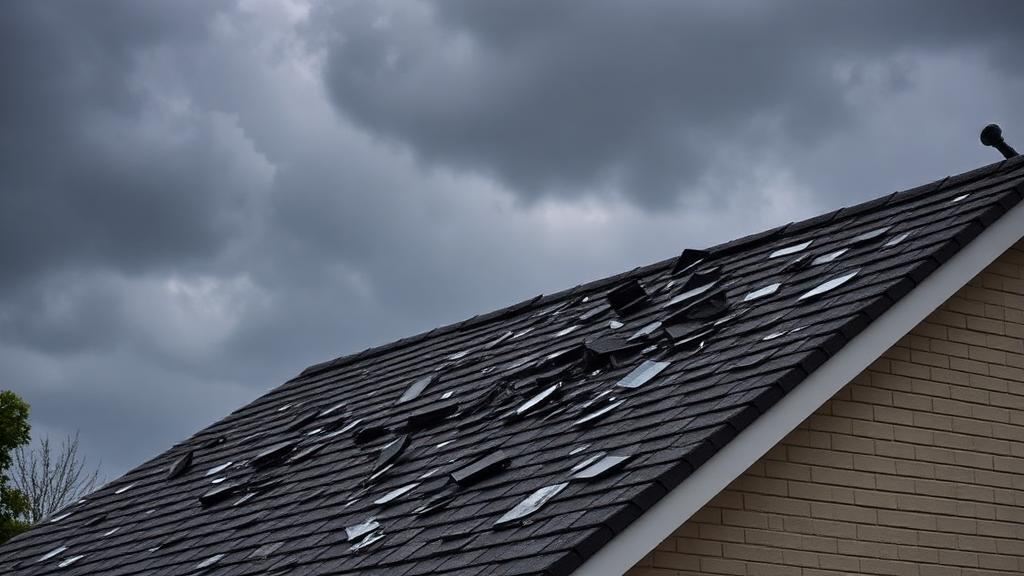
The most common hail damage sign: - Random pattern of dark spots on shingle surface - Exposed black asphalt substrate visible - Granule accumulation in gutters and downspouts - Inconsistent with normal wear patterns
Distinguishing Hail Granule Loss from Normal Wear:
| Characteristic | Hail Damage | Normal Wear |
|---|---|---|
| Pattern | Random, scattered | Consistent, gradual |
| Distribution | Across entire roof | Concentrated on south slopes |
| Edge definition | Distinct impact marks | Gradual fade |
| Underlayment damage | Present | Absent |
Bruising and Soft Spots:
Hail creates subsurface damage: - Areas feel soft when pressed - Underlying mat is fractured - May not show obvious surface damage - Reduces shingle lifespan significantly
Fractures and Cracks:
Larger hail causes visible breaks: - Circular or star-shaped crack patterns - Exposed fiberglass mat - Cracks may not appear immediately (latent damage) - Become more visible over time
Shingle Mat Damage:
The structural layer beneath granules: - Appears as shiny or dark spots - Indicates compromised waterproofing - Leads to accelerated deterioration - Often missed without close inspection
Metal Component Damage
Metal roofing components are excellent hail indicators because they clearly show impact.
Common Metal Indicators:
Flashing:: - Dents at chimney, skylight, and vent bases - Bent edges and corners - Paint chipping from impact
Vents and Pipes:: - Dented vent covers - Bent pipe collars - Impact marks on metal surfaces
Gutters:: - Dented gutter channels - Dented downspouts - Damaged gutter guards or screens
Metal Roofing Panels:: - Surface denting (may be cosmetic) - Paint damage at impact points - Stressed seams or fasteners
Why Metal Matters:
Metal components help establish hail occurrence: - Damage is objective and measurable - Shows storm direction and intensity - Supports shingle damage claims - Adjusters specifically check metal
Damage to Other Roofing Materials
Different materials show distinct hail damage patterns.
Wood Shakes and Shingles:
Hail damage appears as: - Splits along the grain (impact induced) - Orange-colored impact marks - Dents in soft wood surfaces - Broken edges and corners
Clay and Concrete Tile:
Tile hail damage includes: - Cracked or broken tiles - Chips at impact points - Surface crazing or spalling - Punctures in severe cases
Slate Roofing:
Natural slate shows: - Chips and cracks at impact - Corner breakage - Surface fractures - Completely broken slates
Flat Roofing (TPO, EPDM, Built-up):
Membrane damage appears as: - Punctures or cuts - Surface scoring - Damaged flashing - Bruising beneath surface
Collateral Damage Indicators
Hail affects more than roofs. Collateral damage confirms storm occurrence and intensity.
Property Damage Inventory:
| Surface | Hail Damage Signs |
|---|---|
| Siding (vinyl) | Holes, cracks, chips |
| Siding (aluminum) | Dents, paint chips |
| Windows | Cracked or broken glass |
| Window screens | Holes, tears, bent frames |
| Painted wood | Paint splatter, chips |
| Air conditioner | Bent fins, dented housing |
| Vehicles | Random denting pattern |
| Deck/fence | Impact marks, staining |
Why Collateral Damage Matters:
- Confirms hail actually occurred
- Indicates storm direction and intensity
- Supports roof damage claims
- Provides additional claim coverage
Interior Warning Signs
Hail damage may first appear through interior symptoms.
Ceiling Indicators:
- Water stains (brown or yellow rings)
- Bubbling or peeling paint
- Sagging drywall sections
- Active dripping during rain
Attic Evidence:
- Daylight visible through roof
- Water stains on sheathing
- Damp or wet insulation
- Mold growth beginning
Wall Signs:
- Water stains below roofline
- Dampness near exterior walls
- Mold or mildew odors
- Paint bubbling or peeling
Professional Inspection Techniques
Certified hail damage inspectors use specific techniques you should understand.
Systematic Roof Survey:
Professionals divide roofs into sections and examine each systematically, checking for: - Consistent damage patterns - Damage density per square (100 sq ft) - Collateral damage correlation - Pre-existing vs. storm damage
The Chalk Test:
Inspectors may use chalk to: - Mark identified impact locations - Count impacts per square - Document damage density - Create visual record for claims
Core Sample Analysis:
For disputed claims: - Small shingle sections removed - Examined for subsurface damage - Compared to undamaged samples - Provides objective evidence
Documentation Standards:
Professional inspections include: - Measurements of impact size - Impact density counts - Photographic evidence with reference objects - Written assessment reports - Cause and timeline opinions
Common Misidentifications
Not all shingle damage is hail damage. Learn to distinguish:
Blistering vs. Hail Impact:
| Characteristic | Blisters | Hail |
|---|---|---|
| Cause | Manufacturing defect, poor ventilation | Ice impact |
| Shape | Raised bubble, often circular | Depression with fractured mat |
| Distribution | Often follows patterns | Random across surface |
| Touch test | May feel hollow | Feels soft/spongy |
Normal Wear vs. Hail:
- Wear is gradual and consistent
- Hail creates sudden, random damage
- Wear concentrates on sun-exposed areas
- Hail damage is distributed based on storm direction
Mechanical Damage vs. Hail:
- Foot traffic creates directional damage
- Hail is random multi-directional
- Mechanical damage often has debris
- Hail marks are typically cleaner
Manufacturing Defects:
- Defects follow production patterns
- Affect specific production runs
- May appear on multiple homes
- Manufacturer recalls may apply
Timing Your Inspection
When you inspect matters for claim success.
Immediate Post-Storm:
Best time to inspect because: - Hail may still be visible on ground - Fresh damage is easiest to identify - Insurance clock starts ticking - Weather data supports claims
Recommended Timeline:
| Timeframe | Action |
|---|---|
| 0-24 hours | Photograph visible hail, overall property |
| 1-7 days | Detailed roof inspection |
| 1-2 weeks | Professional inspection if damage suspected |
| Within policy limits | File insurance claim |
Claim Time Limits:
Most policies require: - Timely notification (often within year) - Reasonable mitigation efforts - Cooperation with investigation - Documentation of damage
Check your specific policy for exact requirements, as missing deadlines can void coverage.
Insurance Claim Considerations
Hail claims have specific requirements and common disputes.
Building Your Claim:
Strong hail claims include: - Weather service confirmation of hail - Comprehensive photo documentation - Professional inspection report - Collateral damage evidence - Timeline establishing storm causation
Common Claim Disputes:
| Dispute | Your Response |
|---|---|
| "Pre-existing damage" | Provide dated photos from before storm |
| "Cosmetic only" | Get contractor assessment of functional impact |
| "Normal wear" | Show distribution pattern consistent with hail |
| "Inadequate documentation" | Provide additional professional assessment |
Working With Adjusters:
During adjuster visits: - Walk the property with them - Point out all damage you've identified - Provide your photo documentation - Have professional reports available - Ask questions about their assessment
When to Get Help:
Consider public adjusters when: - Damage is extensive - Initial claim is denied - Settlement seems inadequate - You need advocacy with insurer
Preventive Measures
Reduce future hail damage risk.
Impact-Resistant Materials:
Class 4 rated shingles offer: - Insurance discounts (often 10-28%) - Better protection from damage - Longer material warranties - Reduced claim frequency
Learn more about choosing roofing materials for your climate.
Regular Maintenance:
Maintained roofs survive hail better: - Replace damaged shingles promptly - Ensure proper seal strip adhesion - Address granule loss early - Maintain proper ventilation
Insurance Preparation:
Before hail season: - Document roof condition with photos - Review policy coverages and limits - Understand your deductible - Know your insurer's claim process
Conclusion
Recognizing hail damage promptly protects both your home and your insurance claim rights. Key points to remember:
- Inspect after every hail event - Even small hail can cause damage
- Check all surfaces - Collateral damage supports roof claims
- Document thoroughly - Photos, measurements, and written records
- Act within policy timelines - Don't miss claim deadlines
- Get professional assessment - Expert opinions strengthen claims
Understanding hail damage signs empowers you to protect your home and navigate the claims process successfully. If you suspect hail damage, contact qualified roofing professionals for thorough assessment and repair recommendations.