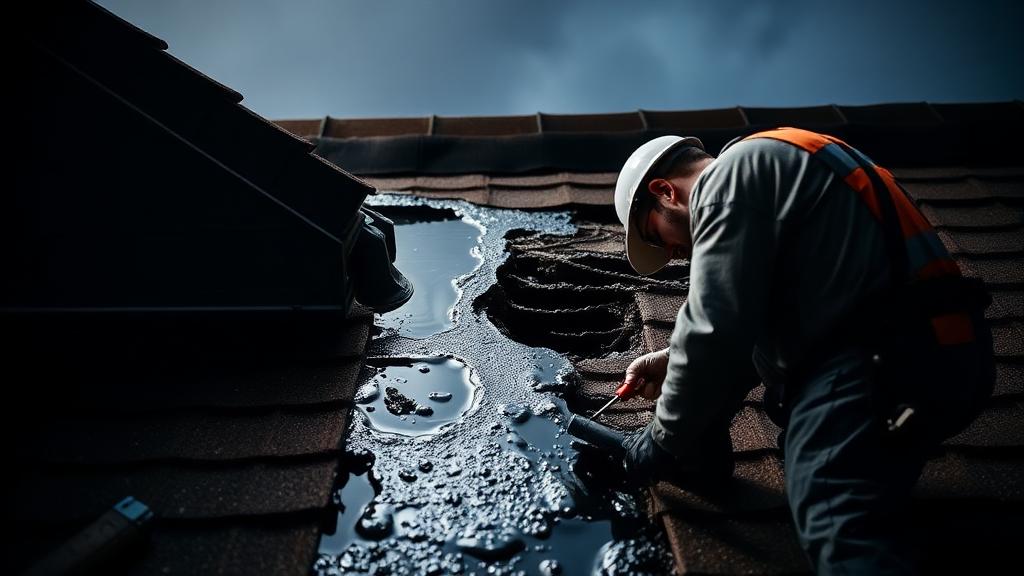
Hidden Roof Leaks: An Indoor Evidence Guide Before Stains Spread
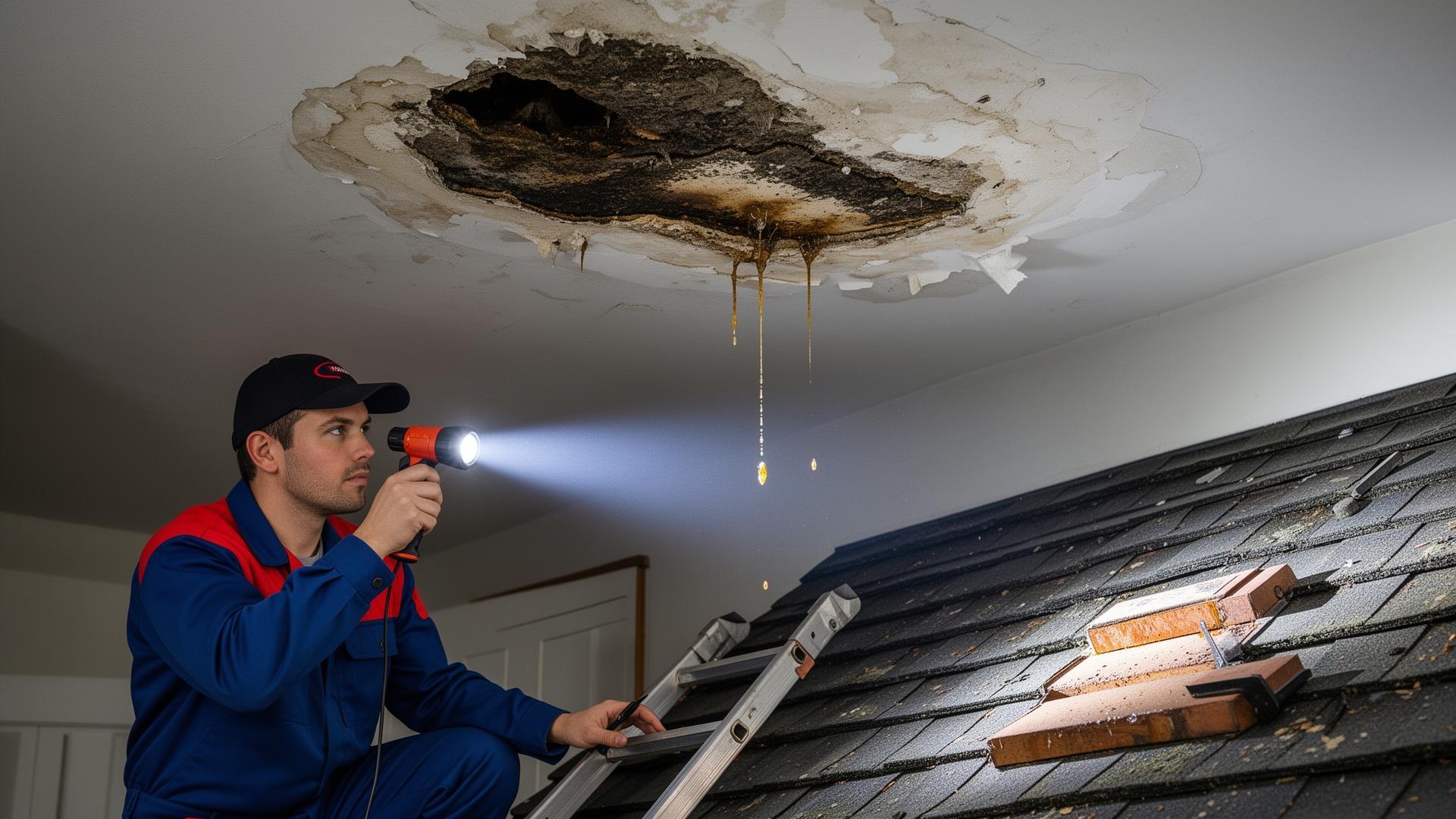
A roof leak does not always announce itself with a drip into a bucket. Water can travel along framing, collect above insulation, or wet the back of drywall before anything obvious appears inside. The first clue might be a closet that smells damp after storms or a faint ceiling mark that returns after painting.
The challenge is that plumbing leaks, condensation, and wind-driven rain entering walls can produce similar symptoms. Treating every stain as a roofing problem can lead to repairs that miss the source.
For homeowners heading into November 2026, the useful starting point is an indoor evidence trail—not a trip onto the roof. This guide explains what to observe safely, how to connect symptoms with weather and household activity, and what to request from a licensed and insured professional.
Why the Ceiling Stain May Be Far From the Leak
Water rarely follows a straight line from a roof opening to the room below. It may run down roof decking, follow a rafter, or move along a pipe before dripping onto insulation. Absorbent materials can hold moisture and release it slowly.
That creates two important complications:
- The visible damage may be offset from the entry point. A stain over a bedroom does not prove the roof directly above that spot is defective.
- The timing may be delayed. A mark noticed after a storm may reflect water that entered earlier and took time to reach the ceiling.
Insulation can also conceal wet materials. A ceiling that feels dry from below does not establish that the cavity above it is dry.
Think of the stain as an observation point, not a repair location. Your goal is to help the inspector reconstruct the water’s route rather than guess where to apply sealant.
Recognize the Quiet Indoor Warning Signs
Look for changes during normal household use, especially in upper-floor rooms, closets, and spaces beneath roof transitions. Compare suspicious areas with nearby unaffected surfaces.
A stain that changes rather than simply remains
An old tan ring can persist long after a leak has been repaired. More useful evidence includes a new outline, darkening after rain, or an expanding edge. Photograph the area from the same position in consistent lighting so comparisons mean something.
Do not assume that a stain is inactive because it disappears visually when dry. Recurring moisture can still affect concealed materials.
Localized paint and trim changes
Bubbling paint, lifting drywall tape, swollen trim, or a separating ceiling joint can indicate moisture. These symptoms are not specific to roof leaks: poor surface preparation, indoor humidity, and building movement can look similar.
A cluster of changes in one area deserves more attention than one isolated cosmetic crack. Avoid pressing on soft drywall or scraping a damp surface to investigate.
Musty odors with a repeatable pattern
A persistent odor in an upstairs closet may signal hidden dampness, particularly when it strengthens after wet weather. Odor alone cannot identify mold, determine its extent, or establish where moisture entered.
Check ordinary explanations without disturbing building materials: damp clothing, stored cardboard, or condensation behind furniture. If the odor persists, document it and request a moisture investigation.
Subtle changes around wall-ceiling intersections
Discoloration near an exterior wall can involve the roof, but it may also originate at siding, windows, or a wall assembly. Note whether the affected area sits beneath a roof slope, below an upper window, or beside a chimney enclosure. Those relationships help define the inspection scope.
Use Timing to Separate Roof Leaks From Look-Alikes
Patterns narrow the possibilities; they do not prove a diagnosis. Several moisture sources can exist at the same time.
| Observed pattern | Possible explanation | Useful next step |
|---|---|---|
| Dampness follows rain, especially from one direction | Roof entry or wind-driven rain through an exterior wall | Record wind direction if known and request roof-and-wall evaluation |
| Moisture appears during dry weather after bathing or laundry | Plumbing leakage or indoor condensation | Record fixture use and consider plumbing inspection |
| Symptoms occur when air conditioning runs | Condensate drainage or cold-surface condensation | Ask an HVAC professional to inspect relevant equipment and lines |
| Dampness follows snowmelt or a thaw | Roof water entry associated with snow or ice | Document thaw conditions and arrange safe professional evaluation |
| Widespread droplets or dampness appear during cold weather | Condensation associated with indoor moisture and cold surfaces | Request an assessment of air leakage, humidity, insulation, and ventilation |
For example, a ceiling patch that darkens beneath an upstairs bathroom during a dry week deserves plumbing attention even if the roof is older. Conversely, a closet that becomes damp only during wind-driven rain may require an exterior-envelope investigation rather than a fixture repair.
Do not deliberately run fixtures if doing so worsens an active leak. Observe normal-use patterns only when safe, and let professionals conduct controlled tests.
Build a Moisture Diary That an Inspector Can Use
A concise record is more valuable than dozens of disconnected photographs. Start when you notice the problem; do not wait for another storm if materials are already wet.
For each observation, record:
- Date and time: Include when you discovered the symptom, not just when rain began.
- Exact location: Identify the room, wall, and approximate distance from a fixed feature.
- Visible condition: Note discoloration, bubbling, dripping, odor, or apparent expansion.
- Recent weather: Describe rain duration, wind, snow, or thawing without guessing unknown details.
- Household activity: Note relevant showers, laundry, heating, or cooling use.
- Photos: Take one room-wide image and one close-up, keeping the framing consistent.
- Actions taken: Record whom you contacted and any temporary protection or repairs.
A simple entry might read: “November 3, morning: faint ring beside north bedroom closet, darker than yesterday; overnight rain; no dripping; bathroom above not present.”
Place a ruler near—not against—a questionable surface for scale if you can do so from the floor. Keep the original photos rather than only annotated copies.
Gather previous repair invoices and roof warranty documents, too. A history of repeated interior painting or repeated repairs in one roof area can help an inspector recognize an unresolved pattern.
Inspect Only What You Can Safely See Indoors
Walk through accessible rooms and inspect ceilings, upper walls, and closet corners from the floor. A flashlight held at an angle can make blistering paint or changing surface texture easier to notice.
Move lightweight belongings away from a suspected wet area only if the ceiling appears stable and there are no electrical concerns. Do not remove fixtures, cut exploratory holes, lift insulation, or open building cavities yourself.
Attic observation requires particular restraint. If an attic opening is safely accessible from a normal, stable walking surface, you may be able to look through it without entering. Do not balance on furniture, step onto ceiling joists, or cross loose insulation. If access requires climbing or entering an unfinished space, leave that inspection to the professional.
Visible darkened wood, wet insulation, rusted fasteners, or staining may be relevant, but none alone establishes an active roof leak. Wood discoloration can remain from old events, and condensation can affect many fasteners at once.
In homes with finished attics, cathedral ceilings, or concealed low-slope roof assemblies, there may be no useful homeowner viewing point. That is a reason for professional diagnostics, not more invasive DIY investigation. Our roofing basics guide explains common roof components and assemblies.
Know When Documentation Must Give Way to Urgent Action
Do not keep collecting evidence beneath a deteriorating ceiling. Warning signs that require prompt professional help include:
- A bulging, sagging, or visibly deforming ceiling.
- Active water near lights, outlets, wiring, or electrical equipment.
- Falling ceiling material or sounds suggesting movement.
- Rapidly spreading wetness or substantial ongoing water entry.
Keep people and pets out of the affected area. Do not puncture a ceiling bulge, stand beneath it, or touch wet electrical fixtures. If electricity may be involved, contact an electrician or emergency service as appropriate. Only shut off power if you can reach the proper controls safely without entering a wet area or approaching wet equipment.
For a small drip away from electrical hazards and beneath a sound-looking ceiling, a container may help protect finishes while help is arranged. It does not address moisture already inside the assembly.
Arrange professional temporary weather protection when necessary; do not climb onto the roof to install a tarp. Where materials are saturated or contamination is suspected, a qualified water-damage restoration professional may also be needed. Do not blow fans into suspect mold growth or concealed cavities.
Ask for a Diagnostic Inspection, Not Just a Patch
When booking service, explain that you need the moisture source identified, not simply a quote to repair the roof above a stain. Share your diary and photographs beforehand.
A useful investigation may include interior moisture mapping, accessible attic inspection, exterior roof examination, and evaluation of adjoining wall components. The appropriate combination depends on the building and symptoms.
Ask the inspector to distinguish among:
- Confirmed observations, such as wet decking or an open roof detail.
- Likely explanations supported by the pattern.
- Unresolved possibilities requiring additional testing or another trade.
Moisture meters can help compare suspect and apparently dry areas, but readings depend on the material, instrument, and conditions. Metal and other factors can complicate interpretation. Infrared imaging detects surface-temperature differences, not water directly; suspicious patterns need confirmation. A dry-day scan cannot rule out an intermittent leak.
Controlled water testing may help when ordinary inspection is inconclusive. It should be planned and performed by professionals who can isolate areas, monitor indoors, and stop before causing additional damage. Homeowners should not spray the roof to recreate a leak.
Request a written summary with photographs, the proposed repair scope, and any limitations. Start with local roof inspection options, and verify insurance and the licensing or registration required in your jurisdiction. Requirements differ across U.S. states and localities.
Adjust the Investigation to Your Climate and Home
November does not mean the same roof conditions everywhere in the United States.
In colder regions, a leak noticed during a thaw may involve snowmelt, while attic moisture during cold spells may reflect condensation. These explanations require different remedies, and both may occur together.
In rainy coastal or wind-exposed areas, water may enter wall joints or other exterior details and appear beneath the roofline. A roofer may need to coordinate with a building-envelope specialist.
In warm, humid regions, cooling equipment and condensation remain important alternatives to rain leakage. In dry climates, an infrequent storm can expose a defect that stayed unnoticed for months; long dry intervals do not prove the assembly is watertight.
Roof configuration matters as well. Additions, intersecting rooflines, finished attic rooms, and rooftop equipment can complicate tracing. Tell the contractor about remodels and equipment installations, even if they occurred well before the symptoms. Use our state roofing resources for location-oriented planning, and confirm project-specific requirements locally.
Verify Drying Before Closing or Repainting
Stopping the entry point and restoring the interior are separate tasks. A successful exterior repair does not instantly dry insulation, wood, or drywall.
Ask who will evaluate affected materials, document drying, and determine what can remain. Materials that are damaged, contaminated, or unable to dry adequately may need removal. The decision depends on their condition and the assembly—not just how the ceiling looks.
Before authorizing cosmetic work, establish how repair performance will be checked. That might involve professional testing, follow-up moisture readings, observation during suitable rainfall, or a combination. One dry-looking day is weak confirmation for an intermittent leak.
Keep dated repair photos, invoices, and follow-up observations together. If you may seek insurance coverage, review your policy and contact your insurer promptly about applicable notice and documentation requirements. Coverage depends on policy terms and the circumstances; do not delay necessary mitigation while awaiting a coverage decision.
Practical Hidden-Leak Checklist
- [ ] Photograph the symptom from the floor, including a wide room view.
- [ ] Record when it appeared and whether it changes.
- [ ] Note recent weather and relevant plumbing or HVAC use.
- [ ] Check accessible neighboring rooms for related clues.
- [ ] Keep people away from sagging ceilings and wet electrical areas.
- [ ] Avoid roof access, cavity opening, and DIY water testing.
- [ ] Gather roof repair records and warranty information.
- [ ] Hire appropriately licensed and insured professionals for diagnosis.
- [ ] Request written findings separating confirmed facts from possibilities.
- [ ] Establish a drying and repair-verification plan before repainting.
For broader contractor preparation, use the homeowner checklist.
FAQ
Can a roof leak exist without a ceiling stain?
Yes. Moisture can remain in insulation or concealed framing before reaching finished surfaces. Persistent weather-related odors or recurring localized dampness warrant investigation even without a visible ring.
Does a brown stain prove the roof is leaking now?
No. Staining can remain after an old leak dries, and plumbing or condensation can cause similar marks. Changes over time, moisture measurements, and inspection help determine whether the problem is active.
Should I buy a moisture meter before calling a roofer?
It is optional, not a prerequisite. Consumer readings can be misleading without material-specific interpretation. Good photographs and a symptom diary are useful starting points; professional measurements should be interpreted alongside the building conditions.
Who should I call first if the source is unclear?
Choose based on the strongest pattern. Rain-related upper-floor symptoms suggest a roofing or building-envelope inspection. Dry-weather symptoms tied to fixtures suggest a plumber; cooling-related moisture suggests an HVAC professional. Explain that the source remains unconfirmed.
Does a hidden leak mean I need a new roof?
Not necessarily. A localized defect may be repairable. Replacement decisions should consider the roof’s overall condition, the extent of deterioration, repair feasibility, and concealed damage—not the stain alone.
How long should I monitor before scheduling an inspection?
Do not intentionally wait for repeated wetting. Schedule an inspection when unexplained moisture recurs or materials appear wet, and seek urgent help for active leakage, sagging, or electrical hazards. Continue documenting while service is arranged.