Houston Roofing Guide: Gulf Coast Homeowner Resource
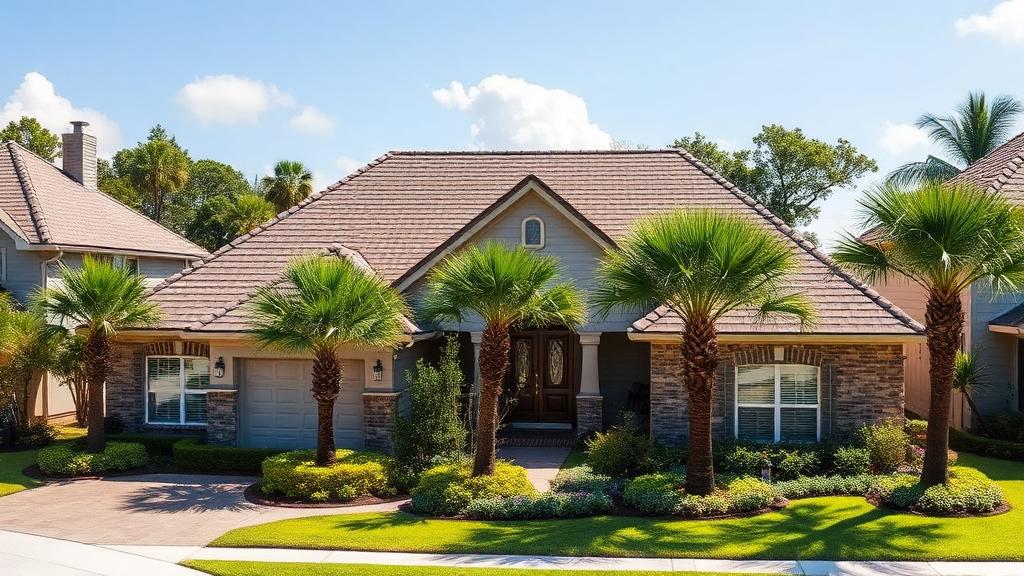
Houston homeowners face some of the most demanding roofing conditions in the United States. The combination of hurricane threats, extreme humidity, intense heat, and heavy rainfall creates unique challenges that require specialized materials and installation techniques. This comprehensive guide covers everything Gulf Coast homeowners need to protect their properties.
Understanding Houston Weather Challenges
The Greater Houston metropolitan area experiences weather patterns unlike any other major U.S. city, creating specific demands on residential roofing systems.
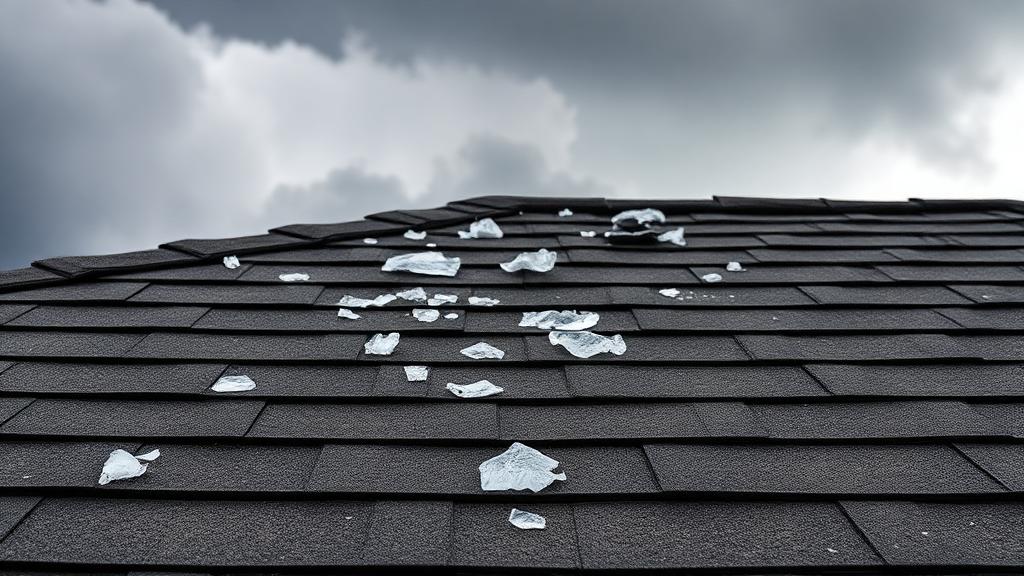
Hurricane Season Threats: Houstons location on the Gulf Coast exposes properties to hurricane threats from June through November each year. Major hurricanes like Ike (2008) and Harvey (2017) caused billions in roofing damage across the region. Even storms that make landfall hundreds of miles away can bring damaging winds and torrential rainfall to Houston. Hurricane-rated roofing materials and proper installation techniques provide essential protection for Gulf Coast homes.
Extreme Humidity: Houstons humidity levels rank among the highest in North America, with average relative humidity often exceeding 75-90%. This constant moisture creates challenges for roofing materials and installation. Poor ventilation leads to condensation in attic spaces, promoting mold growth and wood rot. Materials must withstand moisture exposure without degradation, and installation techniques must account for humidity impacts on sealants and adhesives.
Heavy Rainfall Events: Houston receives an average of 50+ inches of rainfall annually, often delivered in intense tropical downpours. Flash flooding is common, and roof drainage systems must handle sudden heavy loads. Proper gutter sizing, adequate downspouts, and effective drainage planning prevent water damage during Houstons legendary rain events. Harvey dropped over 60 inches of rain on parts of Houston, testing every roof system in the region.
Intense Heat: Houston summers bring extended periods of high temperatures combined with high humidity, creating oppressive conditions that stress roofing materials. Roof surface temperatures can exceed 150 degrees Fahrenheit, accelerating material aging and increasing cooling costs. Heat-reflective materials and proper ventilation provide essential relief.
Hurricane-Ready Roofing Materials
Houston roofing material selection must prioritize hurricane resistance. Understanding wind ratings and proper installation techniques helps homeowners make informed decisions.
Impact-Resistant Shingles: Class 4 impact-resistant shingles provide essential protection against windborne debris during tropical storms and hurricanes. These products feature reinforced construction that withstands impacts from branches and debris. Many also offer enhanced wind resistance ratings exceeding 130 mph when properly installed.
Metal Roofing Systems: Standing seam and interlocking metal shingle systems provide superior hurricane performance. The concealed fastener design of standing seam systems prevents wind-driven rain infiltration, while interlocking panels resist uplift forces that peel away conventional shingles. Metal roofing has proven its value in numerous Houston hurricanes, often surviving storms that destroyed conventional roofs.
Tile with Hurricane Fastening: Concrete and clay tile roofing can provide excellent hurricane resistance when installed with proper hurricane clips and mortar setting. Traditional tile installations often fail in high winds, but modern fastening systems secure tiles against uplift forces. The weight and durability of tile provides excellent protection once properly secured.
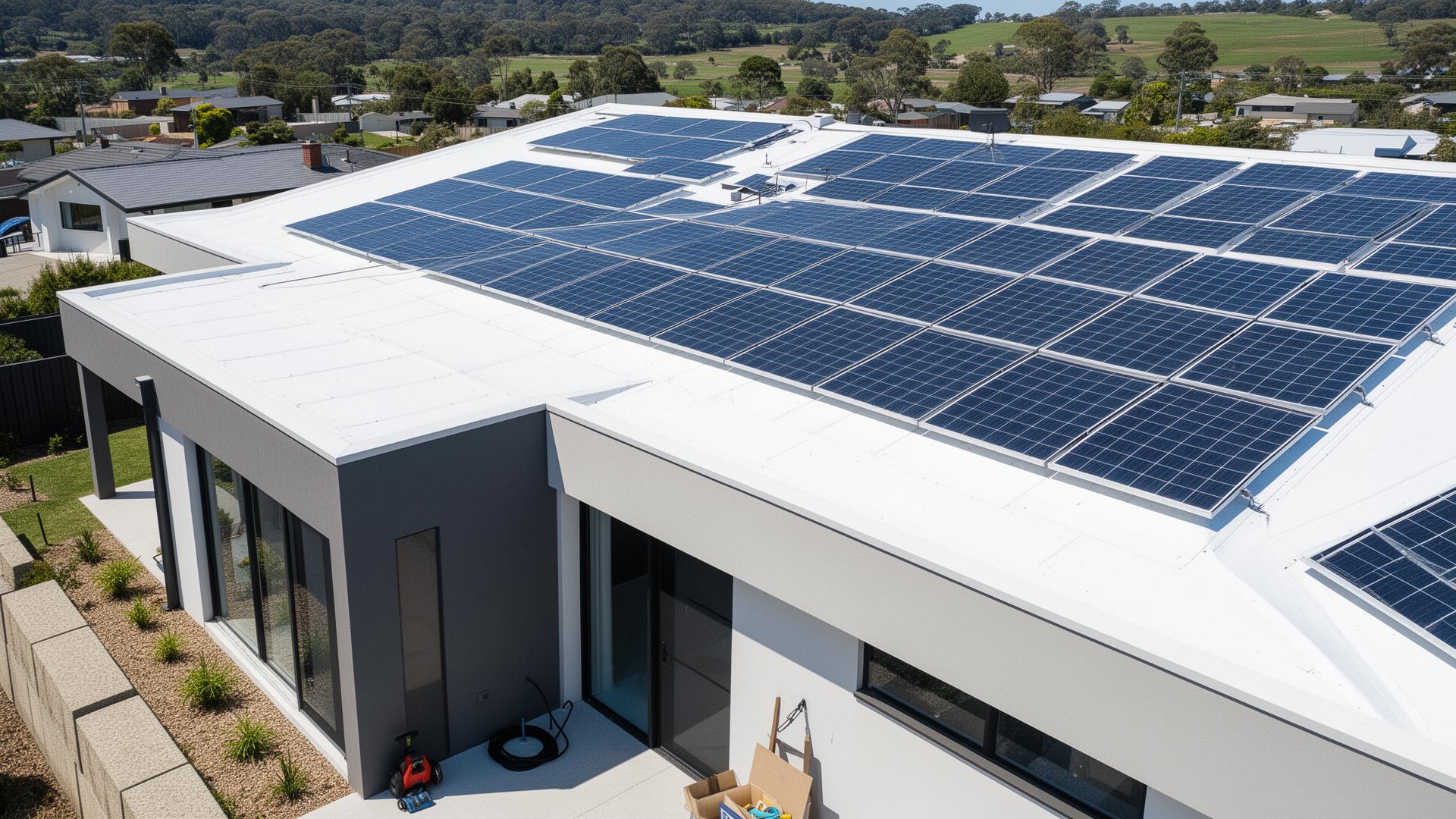
Modified Bitumen Systems: For flat and low-slope roofs common in Houston commercial and contemporary residential architecture, modified bitumen membrane systems provide excellent hurricane performance. These systems withstand ponding water, resist wind uplift, and handle the abuse of tropical weather when properly installed and maintained.
Houston Roofing Costs and Investment
Roofing costs in Houston reflect the specialized requirements of Gulf Coast construction and the competitive contractor market.
Standard Asphalt Shingles: $4.50-$7.00 per square foot installed. Basic shingles cost less but provide minimal hurricane protection.
Wind-Resistant Upgrades: $6.00-$9.00 per square foot for products with enhanced wind ratings and impact resistance. This upgrade investment often pays dividends in the first major storm.
Metal Roofing Systems: $8.00-$14.00 per square foot for quality installations. Standing seam typically costs more than metal shingles but provides superior hurricane performance.
Tile Roofing: $11.00-$19.00 per square foot including hurricane fastening systems. Structural reinforcement may add additional cost for some homes.
Critical Humidity Management
Houstons humidity creates unique challenges that require specific attention during roof design and installation.
Ventilation Requirements: Proper attic ventilation becomes absolutely critical in Houstons humid climate. Balanced intake and exhaust ventilation removes moisture-laden air that would otherwise condense on roof sheathing. Ridge vents, soffit vents, and powered ventilators work together to maintain dry attic conditions.
Mold Prevention Strategies: Moisture control prevents mold growth that damages roof structures and affects indoor air quality. Vapor barriers, proper insulation installation, and adequate ventilation form a system that manages moisture effectively.
Material Selection for Moisture: Some roofing materials handle Houstons humidity better than others. Metal, tile, and synthetic materials resist moisture damage better than organic-based products. Proper material selection extends roof life in Gulf Coast conditions.
Regular Inspection Importance: Annual inspections identify moisture problems before they cause serious damage. Checking for signs of condensation, mold, and wood rot allows early intervention that prevents expensive repairs.
Hurricane Preparation Essentials
Proactive hurricane preparation protects Houston homes and simplifies insurance claims when storms occur.
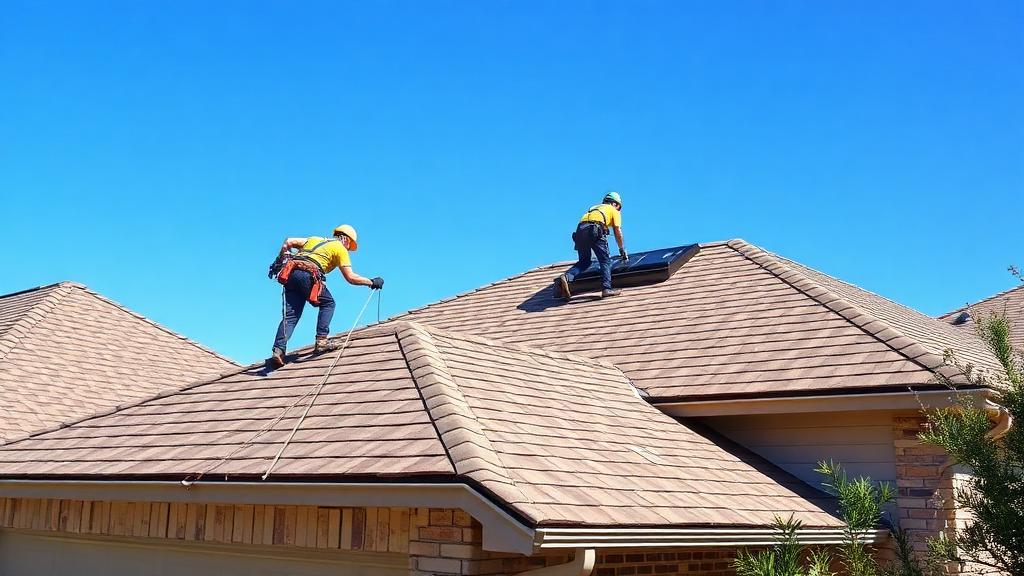
Annual Pre-Season Inspection: Schedule comprehensive roof inspection before hurricane season begins in June. Address any issues identified during fair weather rather than scrambling during storm threats.
Flashing and Seal Verification: Ensure all flashings, penetration seals, and roof-to-wall connections are weathertight. These vulnerable areas often fail first during hurricanes, causing interior water damage even when the main roof survives.
Tree and Debris Management: Trim trees near the home to reduce debris sources during storms. Remove dead branches and consider removal of trees that pose significant risk to roof structures.
Documentation for Insurance: Photograph your roof condition annually and after any improvements. This documentation proves pre-storm condition if damage claims become necessary.
Conclusion
Houston roofing demands hurricane readiness and effective humidity management to handle Gulf Coast conditions. Investment in quality materials and proper installation provides protection when storms arrive. Working with contractors experienced in hurricane-rated installations ensures your home receives appropriate protection.
Find experienced roofers today. Browse Houston contractors for your Gulf Coast roofing project.