How Long Do Roofs Last in Texas
Texas presents unique challenges for residential roofing systems. The combination of intense summer heat, occasional severe storms, and varying regional climates means roofs in the Lone Star State often face more stress than those in milder environments. Understanding how long your roof will last and what factors affect its lifespan helps you plan for maintenance, budgeting, and eventual replacement.
The Texas Climate Challenge
Before diving into specific lifespans, it is essential to understand why Texas is particularly demanding on roofing materials. The state experiences some of the most extreme conditions in the continental United States, with summer temperatures regularly exceeding 100 degrees Fahrenheit in many regions.
The primary stressors for Texas roofs include intense UV radiation that degrades materials faster than in northern states, thermal cycling as roofs heat up during the day and cool at night, severe thunderstorms bringing hail, high winds, and heavy rainfall, occasional hurricanes and tropical storms in coastal regions, and humidity that promotes algae and moss growth in eastern areas. These factors combine to reduce roof lifespans compared to manufacturer ratings, which are often based on more moderate climates. When you need professional assessment, consult with experienced Texas roofing contractors who understand local conditions.
Asphalt Shingle Lifespan in Texas
Asphalt shingles are the most common roofing material in Texas due to their affordability and adequate performance. However, the Texas climate significantly impacts their longevity compared to national averages.
Standard three-tab asphalt shingles typically last 12 to 18 years in Texas, considerably less than the 20 to 25 years they might achieve in cooler, less sunny regions. Architectural shingles perform somewhat better, lasting 15 to 22 years under Texas conditions. Premium impact-resistant shingles designed for Texas weather can extend this to 20 to 25 years with proper installation and maintenance.
The primary factor reducing asphalt shingle life in Texas is UV degradation. The intense sunlight causes the petroleum-based materials to dry out, become brittle, and lose their protective granules faster. Homeowners in Houston, Dallas, and other major Texas cities should plan for replacement at the lower end of these ranges if their homes receive full sun exposure.
Metal Roofing Longevity
Metal roofing has become increasingly popular in Texas, and for good reason. These systems handle the Texas climate exceptionally well and offer superior longevity compared to other materials. For detailed information, read our guide on how long metal roofs last in Texas.
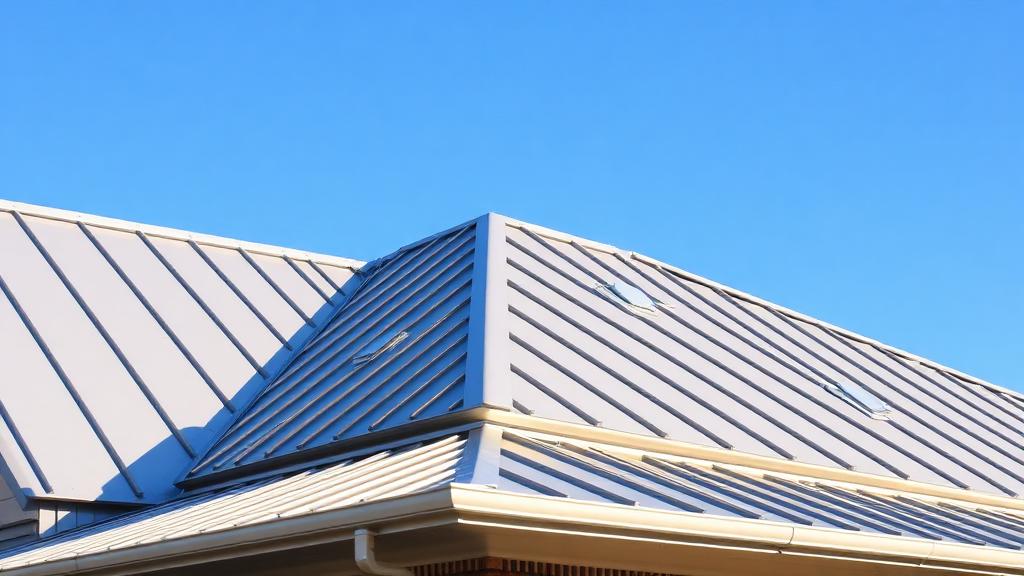
Standing seam metal roofs can last 40 to 70 years in Texas with proper installation. Metal shingle systems typically last 30 to 50 years. The key advantages of metal in Texas include natural heat reflection that keeps homes cooler, excellent wind resistance for storm-prone areas, no UV degradation like asphalt experiences, fire resistance in drought-prone regions, and minimal maintenance requirements.
The initial cost of metal roofing is higher than asphalt, but when calculated over the roof's lifespan, metal often proves more economical. Additionally, metal roofs can significantly reduce cooling costs in Texas summers, providing ongoing savings.
Clay and Concrete Tile Durability
Tile roofing is common in Texas, particularly in areas with Spanish colonial architecture and in communities that appreciate the Mediterranean aesthetic. These materials offer excellent longevity but require specific structural considerations.
Clay tile roofs can last 50 to 100 years in Texas when properly installed and maintained. Concrete tiles typically last 40 to 75 years. Both materials handle Texas heat extremely well and provide natural insulation that reduces cooling costs.
However, tile roofs have vulnerabilities in Texas. Severe hail can crack tiles, and the weight requires appropriate roof structure. Individual broken tiles are relatively easy to replace, but widespread hail damage can be costly. Homeowners in hail-prone areas like the Dallas-Fort Worth metroplex should factor this risk into their material choice.
Slate Roofing in Texas
While less common than in northeastern states, slate roofing appears in some Texas luxury homes and historic properties. Authentic slate offers exceptional longevity, potentially lasting 75 to 150 years or more.
In Texas, the primary concern with slate is not the material itself but the installation system. The fasteners, flashing, and underlayment components may need replacement one or more times during the slate's lifespan. Additionally, slate is vulnerable to hail damage, which can be particularly concerning in north Texas.
Synthetic slate products offer an alternative that mimics the appearance of natural slate while providing better impact resistance and lighter weight. These products typically last 30 to 50 years in Texas conditions.
Flat and Low-Slope Roofing Systems
Many Texas commercial buildings and some residential properties feature flat or low-slope roofs. These systems have different lifespan considerations than pitched roofs.
Built-up roofing (BUR) systems typically last 15 to 25 years in Texas. Modified bitumen roofing has a similar lifespan of 15 to 25 years. TPO and PVC single-ply membranes generally last 20 to 30 years. EPDM rubber roofing can last 20 to 30 years with proper maintenance.
The Texas sun is particularly harsh on flat roofs because they absorb maximum solar radiation. Light-colored or reflective roofing materials are essential for extending lifespan and reducing cooling costs in flat roof applications.
Factors That Shorten Roof Life in Texas
Several specific factors accelerate roof aging in Texas beyond general wear and tear. Understanding these helps homeowners take preventive action and set realistic expectations.
Improper ventilation is a major roof killer in Texas. Without adequate attic ventilation, temperatures can exceed 150 degrees, literally cooking shingles from below while the sun bakes them from above. Proper intake vents at the soffits and exhaust vents at the ridge are essential.
Storm damage accumulates over time. Even if a single storm does not cause obvious damage, the cumulative effect of multiple hail events, high winds, and flying debris shortens roof life. Areas around San Antonio and Austin are particularly prone to spring and summer storms.
Deferred maintenance allows small problems to become major failures. Missing or damaged shingles, clogged gutters, and deteriorating flashing should be addressed promptly to prevent water intrusion that accelerates deterioration.
Extending Your Texas Roof's Lifespan
While you cannot change the Texas climate, you can take steps to maximize your roof's useful life. These strategies often add years to your roof's performance.
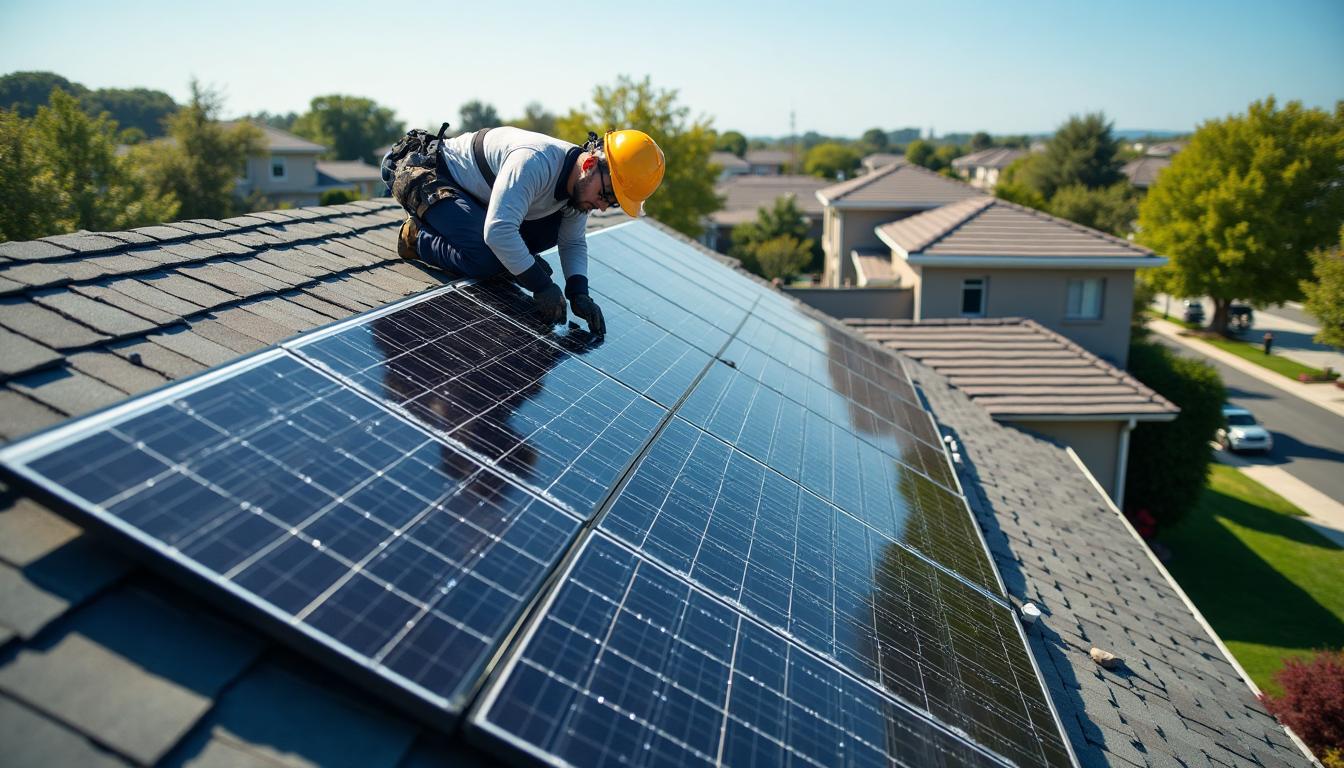
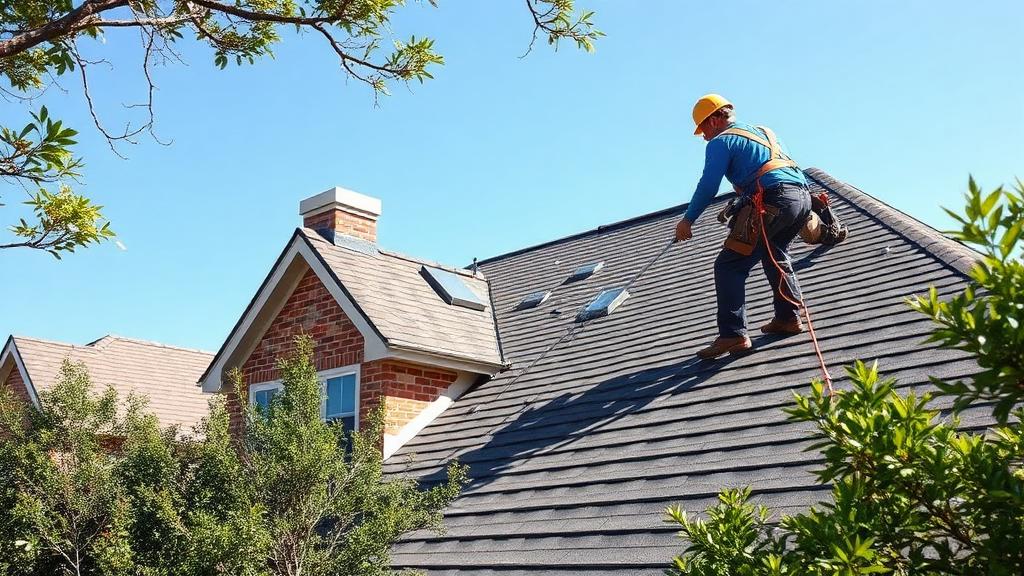
Annual inspections by qualified professionals identify problems before they become serious. Schedule these in spring after storm season and in fall before potential winter weather. The investment in regular inspections typically pays for itself many times over through extended roof life and prevented damage.
Proper attic ventilation cannot be overemphasized for Texas homes. Consider adding powered or solar ventilators if passive ventilation proves insufficient. The goal is to maintain attic temperatures as close to outside ambient temperature as possible.
Reflective coatings can extend asphalt shingle life by reducing surface temperatures. Several products are available that can be applied to existing roofs, particularly useful for homes with older roofs that are not yet ready for replacement.
Prompt repairs after storm damage prevent secondary deterioration. Even if the damage seems minor, water intrusion through small openings causes hidden damage to decking and structural components that significantly shortens overall roof life.
When to Replace Your Texas Roof
Knowing when to replace rather than repair is an important skill for Texas homeowners. Several indicators suggest replacement is more economical than continued repairs.
Age approaching or exceeding expected lifespan for your material type is the most obvious indicator. As roofs age, repairs become more frequent and less effective at preventing problems.
Widespread granule loss on asphalt shingles indicates the protective layer is failing. Check your gutters after rain for accumulated granules, and look for bald spots on shingles.
Multiple leaks or recurring leaks in different locations suggest systemic failure rather than isolated problems that repairs can address.
Visible sagging or structural irregularities indicate potential deck damage that simple re-roofing cannot address. These situations often require complete tear-off and deck repair or replacement.
Energy bills increasing unexpectedly may indicate your roof's insulating value has diminished significantly, another sign that replacement should be considered.
Choosing Materials for Texas Longevity
When selecting roofing materials for a Texas home, prioritize performance in local conditions over manufacturer lifespan ratings from other regions. Work with local roofing professionals who understand which products perform best in your specific area.
Consider impact-resistant options if you live in hail-prone regions. These materials cost more initially but often qualify for insurance discounts that offset the premium. They also provide better long-term value by surviving storms that would damage standard materials.
Reflective and light-colored materials reduce heat absorption, extending lifespan while lowering cooling costs. The energy savings alone often justify premium pricing for these options.
Conclusion
Texas roofs face demanding conditions that shorten lifespans compared to national averages. By understanding these challenges, choosing appropriate materials, and maintaining your roof proactively, you can maximize your investment and avoid premature replacement.
Plan for asphalt shingle replacement every 15 to 20 years, or consider metal or tile options that can last two to four times longer. Regular inspections and prompt maintenance are your best tools for extending any roof's life in the challenging Texas climate. When the time comes for replacement, working with experienced local contractors ensures your new roof is installed to maximize its performance in Texas conditions.