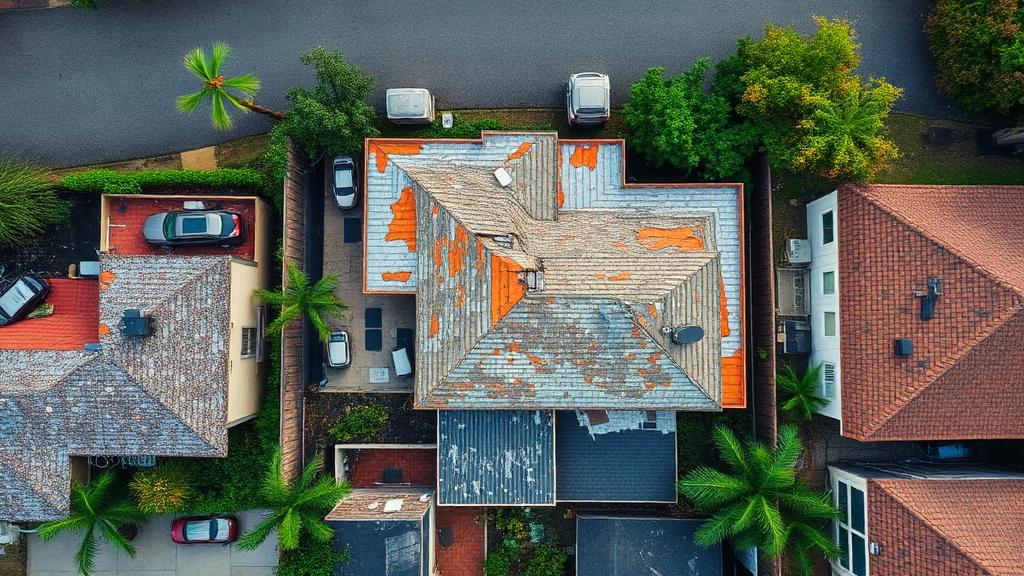
Getting Your Insurance to Pay for Full Roof Replacement: Strategies That Work
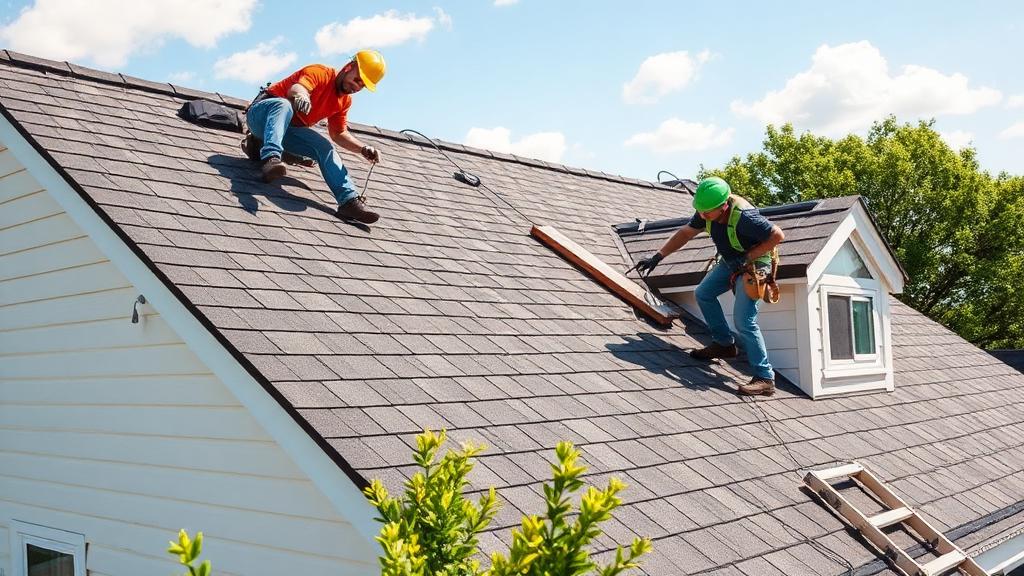
When roof damage is significant, full replacement may be necessary—but convincing your insurance company to pay for complete replacement rather than repairs can be challenging. Understanding when replacement is warranted, how to document your case, and effective negotiation strategies helps homeowners secure appropriate settlements. This guide provides strategies for getting insurance to approve full roof replacement.
When Full Replacement Is Warranted
Not every claim warrants full replacement. Understanding legitimate replacement triggers strengthens your position.
Legitimate Replacement Scenarios:
Extensive Damage:: - Damage covers large percentage of roof - Multiple sections significantly affected - Repair impractical or cost-prohibitive - Structural concerns exist
Matching Impossibility:: - Roofing material discontinued - Color matching unavailable - Partial replacement would be obvious - Manufacturer requires full replacement
Code Requirements:: - Repairs trigger full code compliance - Local regulations require replacement - Building department mandates - Insurance policy includes code coverage
Economic Considerations:: - Repair costs approach replacement costs - Multiple repairs more expensive than replacement - Roof age makes repairs impractical - Remaining life too short to justify repair
Understanding Repair vs. Replacement
Insurance companies often prefer repairs over replacement. Understanding their perspective helps you negotiate.
Why Insurers Prefer Repairs:
- Lower cost than replacement
- Addresses only damaged areas
- Standard claim resolution
- Faster settlement
When Replacement Becomes Appropriate:
| Condition | Repair | Replace |
|---|---|---|
| Damage extent | <25% of roof | >25-50% of roof |
| Material availability | Available | Discontinued |
| Roof age | <15 years | >15-20 years |
| Repair/replace cost ratio | Repair much cheaper | Similar costs |
Building Your Case for Replacement
Strong documentation supports replacement approval.
Documentation Requirements:
Damage Documentation:: - Comprehensive photographs - Video of all damaged areas - Damage mapping showing extent - Before photos if available
Professional Assessments:: - Contractor damage reports - Written replacement recommendations - Repair vs. replacement analysis - Material matching research
Supporting Evidence:: - Material discontinuation proof - Manufacturer statements - Code requirement documentation - Building department communications
Contractor Support for Replacement
Professional roofing contractors provide essential support for replacement claims.
What Contractors Can Provide:
Written Assessments:: - Detailed damage evaluation - Professional recommendation - Reasoning for replacement - Repair impracticality explanation
Cost Analysis:: - Repair estimate - Replacement estimate - Comparison showing replacement value - Material availability research
Technical Expertise:: - Industry standard references - Manufacturer requirements - Code compliance knowledge - Professional credibility
Finding the Right Contractor:
Look for contractors who: - Have insurance claim experience - Provide detailed documentation - Will work with adjusters - Understand replacement triggers
Negotiating with Your Insurance Company
Effective negotiation requires preparation and persistence.
Initial Approach:
When requesting replacement: - Present complete documentation - Explain replacement necessity - Reference policy provisions - Remain professional and factual
Key Arguments:
Matching Issues:: - Document material unavailability - Show color/style mismatches - Reference matching provisions - Demonstrate aesthetic concerns
Economic Arguments:: - Compare repair vs. replacement costs - Show repair impracticality - Reference remaining roof life - Calculate long-term costs
Code Requirements:: - Cite specific code provisions - Provide building department statements - Show compliance requirements - Reference code coverage in policy
Understanding Your Policy Provisions
Policy language affects replacement eligibility.
Important Provisions:
Matching Coverage:: Some policies include language requiring: - Material matching for repairs - Aesthetic consistency - Appearance preservation - Full replacement when matching impossible
Code Coverage:: Policies may cover: - Code-required upgrades - Full compliance requirements - Additional costs for code work - Replacement when codes require
Replacement Cost:: RCV policies should: - Pay full replacement cost - Not limit to repair amounts - Cover current material costs - Include labor for replacement
When Adjusters Undervalue Damage
If your adjuster doesn't recommend replacement, take action.
Addressing Undervaluation:
Request Re-Inspection:: - Ask for different adjuster - Request supervisor review - Provide additional documentation - Explain concerns specifically
Provide Counter-Evidence:: - Multiple contractor opinions - Detailed damage documentation - Material research - Code requirement evidence
Escalation Options:: - Formal written appeal - Public adjuster engagement - State insurance department complaint - Attorney consultation
Supplement Strategies
Supplements can move claims from repair to replacement.
How Supplements Help:
Hidden Damage:: - Deck damage revealed during repair - Additional affected areas found - Structural issues discovered - Extent worse than visible
Scope Increases:: - Initial assessment incomplete - More areas require work - Code requirements identified - Material needs change
Filing Supplements:
To file effective supplements: 1. Document new discoveries 2. Stop work immediately 3. Photograph extensively 4. Contact insurance promptly 5. Submit formal supplement request
Matching and Appearance Issues
Matching concerns often support replacement arguments.
Matching Arguments:
Material Discontinuation:: - Manufacturer no longer produces - No equivalent available - Color/style not matchable
Visual Consistency:: - Partial repair obvious - Aesthetic harm to property - Resale value concerns - Community standards
Policy Language:
Reference policy provisions: - Matching requirements - Appearance maintenance - Property value protection - Reasonable repair standards
Code Upgrade Considerations
Building codes can trigger replacement requirements.
Common Code Triggers:
Replacement Thresholds:: - Repairs exceeding percentage of roof - Age-related code changes - Material requirement updates - Structural code requirements
Coverage for Code Upgrades:
Policies may include: - Ordinance or law coverage - Code compliance provisions - Upgrade cost coverage - Demolition coverage
Documenting Code Requirements:
Obtain documentation showing: - Current code requirements - Repair scope triggering codes - Full compliance costs - Building department statements
Working with Public Adjusters
For complex replacement claims, public adjusters can help.
When to Consider:
- Initial claim significantly undervalued
- Replacement denied despite evidence
- Complex damage documentation
- Large claim value
What Public Adjusters Do:
- Evaluate damage professionally
- Document replacement necessity
- Negotiate with insurance
- Support your claim
Legal Options
When other options fail, legal action may be necessary.
When to Consider Attorney:
- Significant claim value
- Clear replacement need denied
- Bad faith concerns
- Exhausted other options
What Attorneys Can Do:
- Evaluate your claim strength
- Negotiate with leverage
- File bad faith claims
- Pursue litigation if needed
Conclusion
Getting insurance to approve full roof replacement requires understanding when replacement is warranted, documenting thoroughly, and negotiating effectively. By building a strong case with professional support, referencing policy provisions, and persisting through the claims process, homeowners can secure appropriate settlements for necessary roof replacement.
Remember that not every claim warrants replacement—but when it does, you have the right to receive appropriate compensation. Don't accept inadequate settlements for damage that genuinely requires full roof replacement.
Find experienced roofing contractors who can help document your damage and support your insurance claim.