Metal Roof Repair and Maintenance: Extending Your Investment's Lifespan
Metal roofing systems offer exceptional longevity, often lasting 50+ years with proper maintenance. Understanding common metal roof issues, repair techniques, and maintenance requirements helps property owners maximize their investment's lifespan and performance.
Understanding Metal Roof Systems
Different metal roofing types require specific maintenance and repair approaches.
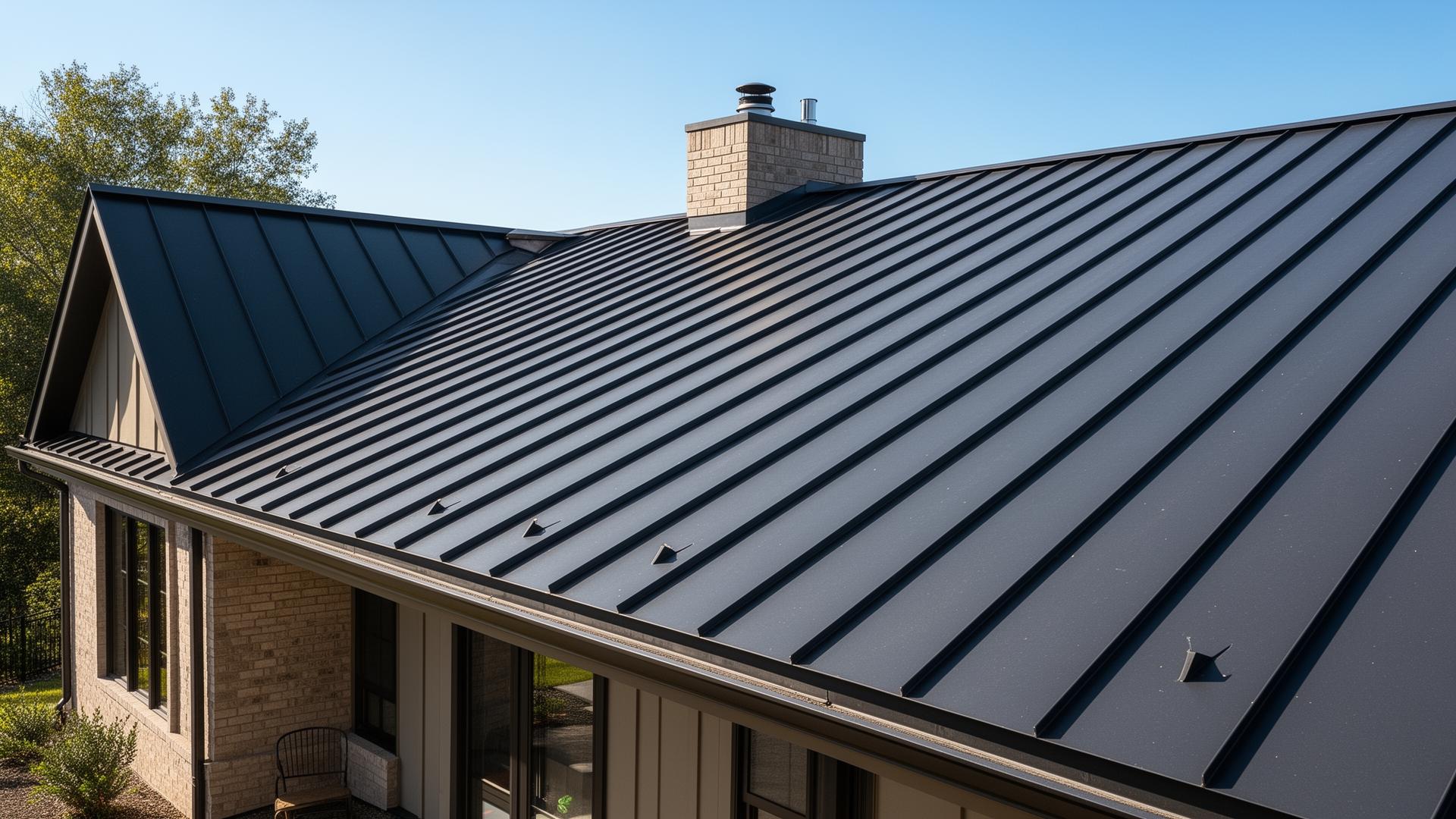
Standing Seam Metal: Concealed fastener systems with raised seams create clean lines and minimize penetrations. These premium systems require specialized repair techniques.
Exposed Fastener Panels: Ribbed panels with visible fasteners are common on agricultural, commercial, and some residential applications. Fastener maintenance is critical for these systems.
Metal Shingles and Tiles: Interlocking metal pieces mimicking traditional materials combine aesthetics with metal durability. Repair involves individual piece replacement.
Copper and Zinc: Premium metals develop distinctive patinas over time. Repairs must consider aesthetic integration with aged material.
Common Metal Roof Problems
Despite durability, metal roofs develop issues requiring attention.
Fastener Deterioration: Exposed fastener systems rely on rubber washers that degrade over time. Failed washers allow water infiltration around fasteners.
Seam Failures: Standing seam roofs can experience seam separation due to thermal movement, poor installation, or structural movement.
Corrosion: While modern coatings provide excellent protection, scratches, cut edges, and coating failures can initiate corrosion, particularly in coastal environments.
Flashing Issues: Like all roofing, metal roof flashings at penetrations, walls, and transitions can fail over time.
Oil Canning: Visible waviness in flat panel areas is often an aesthetic issue rather than functional failure, though it may indicate installation problems.
Coating Deterioration: Painted finishes can fade, chalk, or peel over time, affecting both appearance and corrosion protection.
Repair Techniques
Metal roof repairs require appropriate materials and methods.
Fastener Replacement: Deteriorated fasteners are replaced with new fasteners featuring fresh rubber washers. Using identical fastener types ensures proper fit.
Seam Repair: Failed seams may be re-crimped (standing seam) or sealed with appropriate sealants. Severe failures may require panel section replacement.
Patch Repair: Small holes or damaged areas can be patched with matching metal and appropriate sealants or mechanical fastening.
Panel Replacement: Significantly damaged panels can be removed and replaced. Standing seam systems allow individual panel replacement without disturbing adjacent panels.
Coating Touch-Up: Scratches and small coating failures can be addressed with manufacturer-matched touch-up paint to prevent corrosion initiation.
Flashing Repair: Failed flashings are replaced following manufacturer specifications for the particular metal roof system.
Maintenance Best Practices
Regular maintenance extends metal roof life significantly.
Annual Inspections: Visual inspections identify problems before they cause damage. Check fasteners, seams, flashings, and coating condition.
Debris Removal: Remove accumulated leaves, branches, and debris that trap moisture and can scratch coatings during wind events.
Gutter Maintenance: Clean gutters prevent water backup against metal roof edges. Ensure downspouts direct water away from the building.
Trim Vegetation: Overhanging branches scratch metal surfaces during wind. Keep vegetation cleared from roof contact.
Address Issues Promptly: Small problems become big problems. A loose fastener is an easy fix; the water damage from an ignored loose fastener is not.
When to Call Professionals
Some metal roof issues require professional attention.
Safety Considerations: Metal roofs can be slippery, especially when wet. Walking on metal roofs also risks denting or damaging panels.
System-Specific Expertise: Standing seam systems and specialty metals require contractors experienced with those specific systems.
Warranty Preservation: DIY repairs may void manufacturer warranties. Verify warranty requirements before attempting repairs.
Electrical Concerns: Metal roofs near electrical equipment or with integrated solar systems require careful approach to avoid electrical hazards.
Extending Coating Life
Metal roof coatings protect against corrosion and UV damage.
Quality Factory Coatings: Premium coatings like PVDF (Kynar/Hylar) provide 30+ year protection. Lower-grade coatings may need recoating sooner.
Recoating Options: When original coatings deteriorate, professional recoating with compatible products extends roof life.
Rust Treatment: If corrosion begins, treating rust spots promptly prevents spread. Remove loose rust, apply rust converter, prime, and repaint with compatible coating.
Cost Considerations
Metal roof repair costs reflect system type and issue severity.
Fastener Replacement: Replacing deteriorated fasteners typically costs $3-$7 per fastener including labor.
Seam Repairs: Seam repair costs vary from $300-$1,000+ depending on extent and accessibility.
Panel Replacement: Individual panel replacement runs $500-$2,000+ depending on panel type and roof access.
Full Recoating: Professional recoating costs $2-$5 per square foot for labor and materials.
Conclusion
Metal roofs represent significant investments that reward proper maintenance with decades of reliable service. Regular inspections, prompt repairs, and appropriate maintenance practices maximize the value of metal roofing systems. Working with contractors experienced in metal roofing ensures repairs are performed correctly.
Find metal roofing contractors for inspection, maintenance, and repair services.