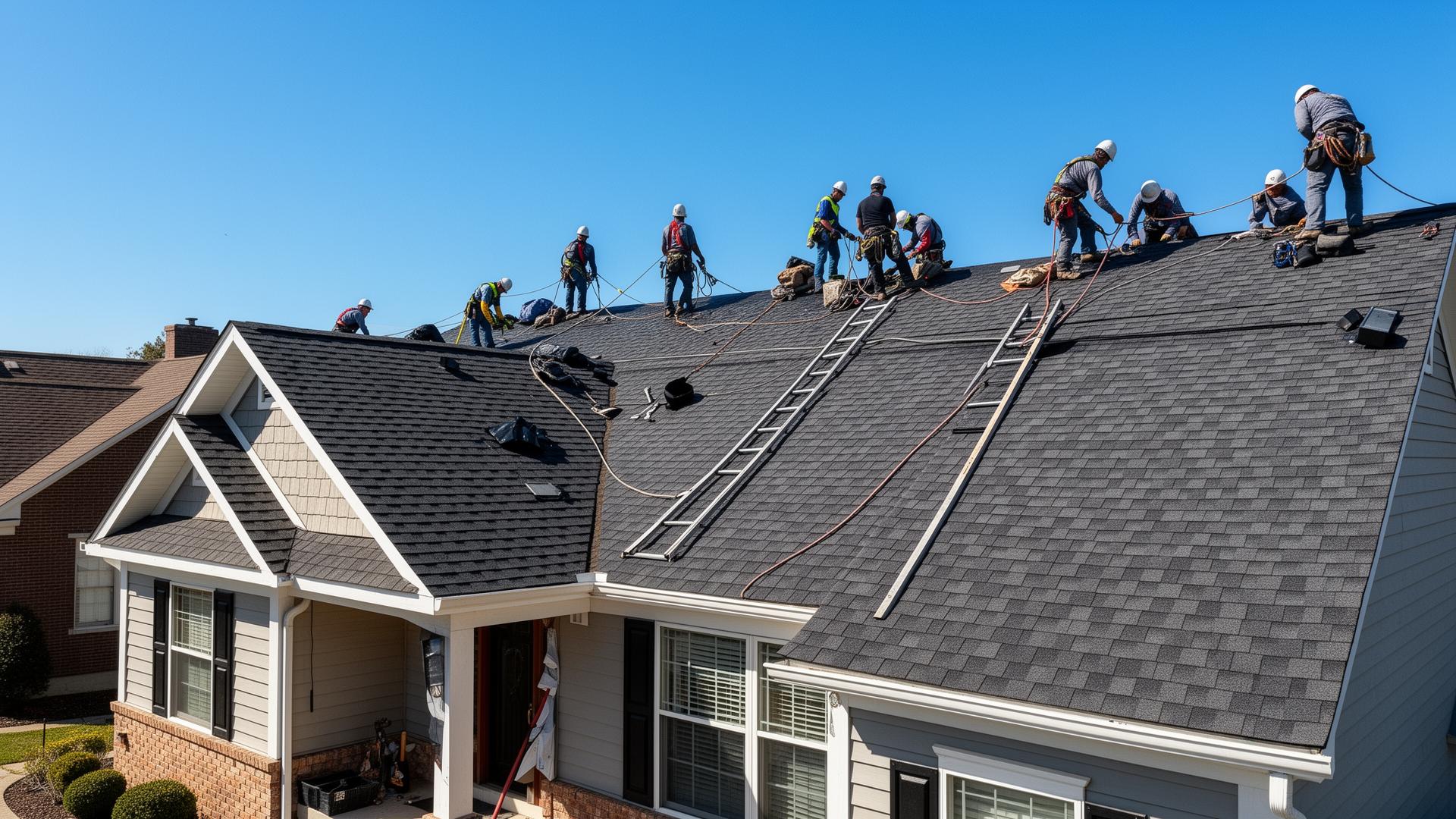
Montana Residential Roofing: Complete Guide for Big Sky State Homeowners
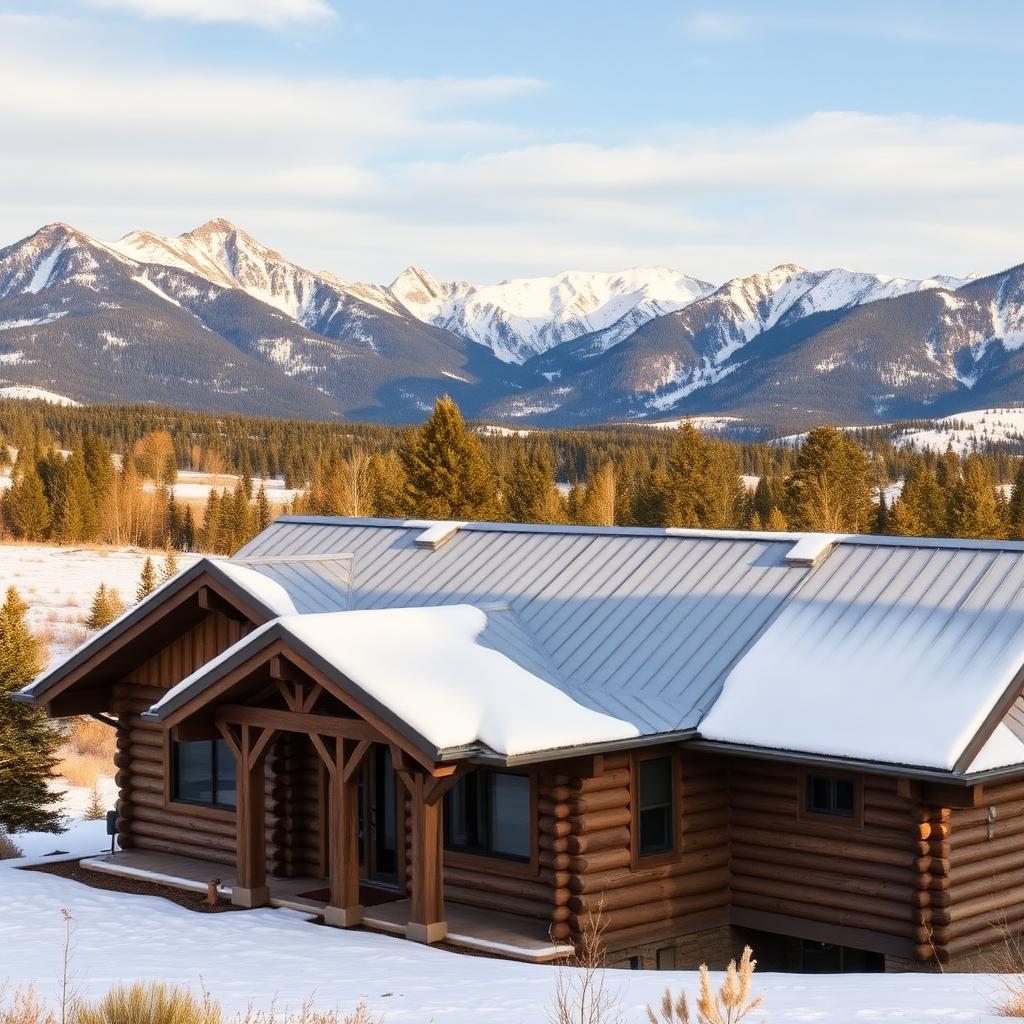
Montana presents challenging roofing conditions from heavy mountain snow to extreme temperature swings. Understanding these factors helps homeowners protect their investments.
Montana Climate Challenges
Heavy Snow: Mountain areas receive significant accumulation.
Extreme Cold: Extended periods below zero.
Wind Exposure: Open prairie and mountain winds.
Temperature Swings: Dramatic daily and seasonal changes.
Regional Variations
Western Montana: Mountain snow and moisture.
Eastern Montana: Prairie winds and temperature extremes.
Northern Montana: Harsh winters with Arctic influence.
Southern Montana: More moderate but still challenging.
Best Roofing Materials
Metal Roofing: Excellent snow shedding and durability.
Architectural Shingles: Quality products handle conditions.
Steep Pitch Designs: Help with snow management.
Heavy-Duty Products: Built for harsh conditions.
Snow Load Considerations
Building Codes: Montana specifies snow loads by area.
Structural Requirements: Roofs designed for local conditions.
Metal Benefits: Snow slides off metal surfaces.
Monitoring: Watch accumulation during storms.
Ice Dam Prevention
Insulation: Keep attic cold to prevent melt.
Ventilation: Balanced intake and exhaust.
Ice Shield: Extended at eaves and valleys.
Air Sealing: Prevent warm air leakage.
Wind Resistance
High Wind Ratings: Choose 130+ mph products.
Enhanced Fastening: Upgrade nailing patterns.
Edge Protection: Proper drip edge installation.
Metal Advantages: Excellent wind performance.
Finding Montana Contractors
State Requirements: Verify proper credentials.
Local Experience: Familiar with Montana conditions.
Mountain Expertise: Some areas require specialized knowledge.
References: Check recent similar projects.
Conclusion
Montana roofing requires materials and installation designed for extreme conditions. Work with experienced local contractors.
Ready to find qualified contractors? Search Montana roofing professionals in your area.