New Jersey Coastal Storm Damage: Hurricane and Nor'easter Roof Protection
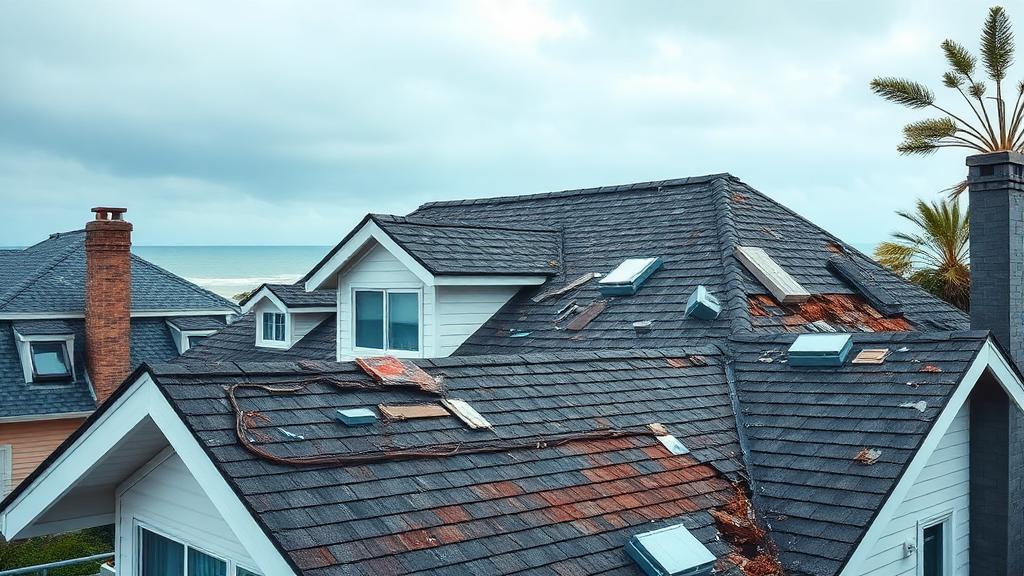
New Jersey shore communities face significant coastal storm threats from nor'easters, tropical systems, and occasional hurricanes. Understanding storm preparedness and damage response helps homeowners protect their properties.
Coastal Storm Threats
Nor'easters: These coastal storms occur primarily October through April, bringing high winds, heavy rain or snow, and coastal flooding. Major nor'easters can rival hurricanes in damage potential.
Hurricanes and Tropical Storms: While direct hits are infrequent, tropical systems impact New Jersey several times per decade. Wind, rain, and storm surge damage coastal properties.
Coastal Flooding: Beyond roof damage, storm surge and flooding can undermine structures. Understanding flood zones and insurance requirements is important.
Wind Resistance Requirements
Building Codes: New Jersey coastal areas have enhanced wind speed requirements. Building codes specify minimum design wind speeds that increase near the coast.
Material Selection: Choose materials rated for local wind speeds. Impact-resistant shingles provide additional protection against wind-borne debris.
Installation Details: Proper installation is as important as material selection. Enhanced nailing patterns, starter course adhesion, and edge treatments improve wind resistance.
Preparing for Storm Season
Annual Inspection: Have your roof inspected before storm season. Address loose shingles, damaged flashing, and worn sealants.
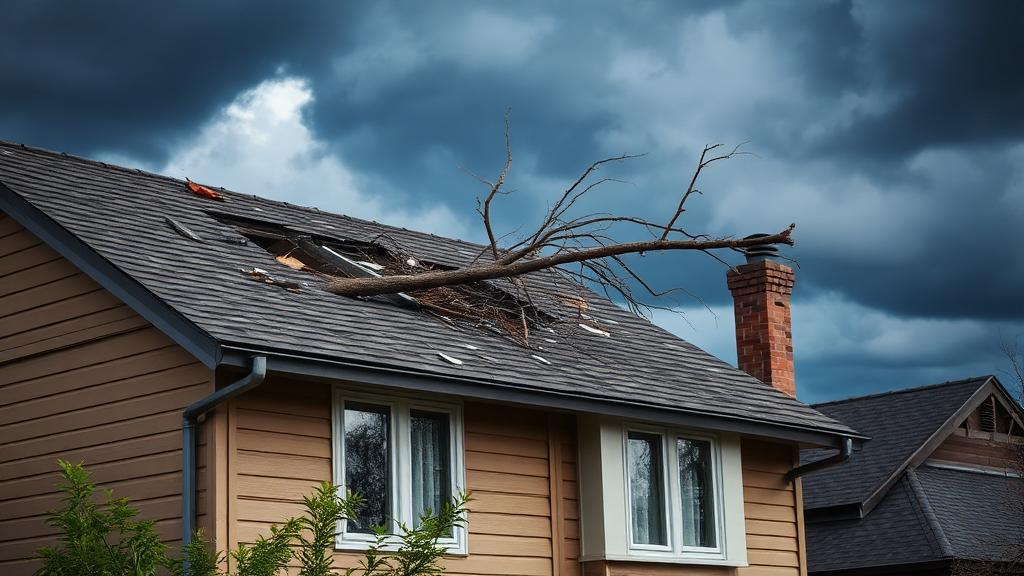
Tree Management: Remove dead branches and maintain clearance between trees and roof. Falling limbs cause significant storm damage.
Gutter Security: Verify gutters are securely attached. Loose gutters become projectiles in high winds.
Documentation: Photograph roof condition before storms. This documentation supports insurance claims.
Post-Storm Response
Safety First: Do not access roofs during active weather or when structural damage is suspected. Watch for downed power lines.
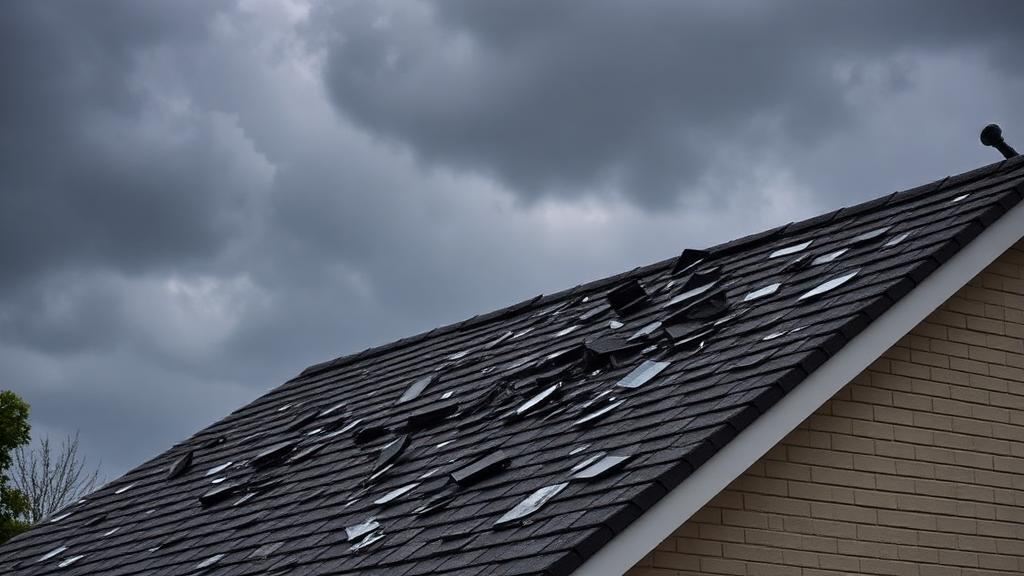
Initial Assessment: From ground level, look for obvious damage: missing shingles, exposed materials, and debris impacts.
Document Damage: Photograph all damage before any repairs. Note storm date and conditions.
Prevent Further Damage: Cover exposed areas with tarps if safe. Insurance policies require mitigation of additional damage.
Insurance Considerations
Coverage Review: Understand your policy coverage for wind, hail, and storm damage. Coastal properties may have separate wind deductibles.
Flood Insurance: Standard policies do not cover flooding. NFIP or private flood insurance is essential for coastal properties.
Claim Process: Report damage promptly. Provide thorough documentation. Consider having your contractor present for adjuster inspection.
Finding Reliable Contractors
After major storms, protect yourself from storm chasers:
- Use established local contractors with verifiable history
- Verify HIC registration and current insurance
- Require written contracts before work begins
- Never pay in full upfront
Conclusion
New Jersey coastal homes require proactive storm preparation and proper insurance coverage. Work with experienced local contractors for both prevention and repair.
Need storm damage assessment? Find New Jersey roofing contractors experienced with coastal conditions.