Ice Dam Prevention and Repair in New York
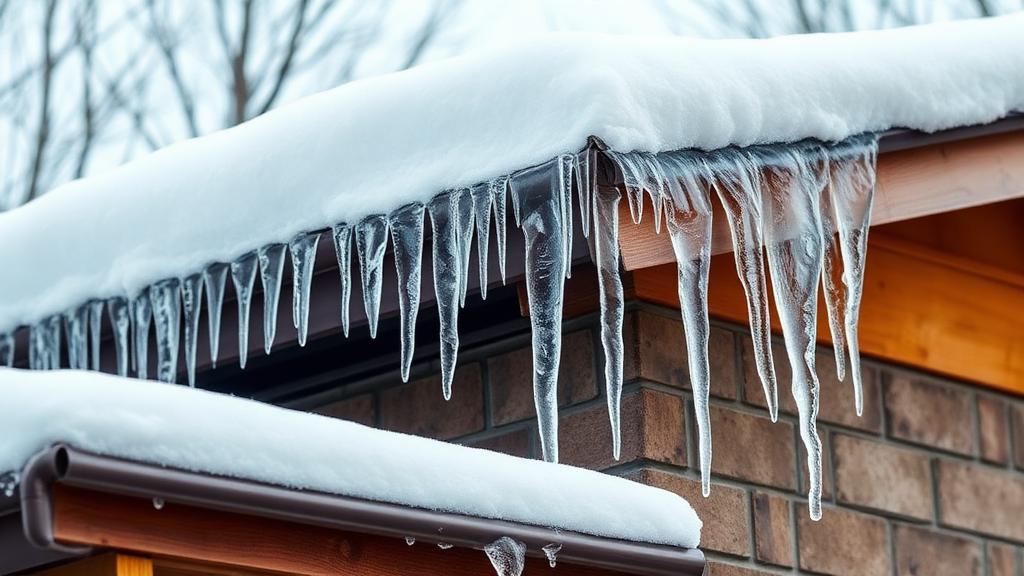
Ice dams cause more roof damage in New York than almost any other winter hazard. These ridges of ice form at roof edges and cause water to back up under shingles, leading to interior water damage, ruined insulation, and mold growth. Understanding ice dams helps New York homeowners prevent them and respond effectively when they occur.
How Ice Dams Form
Ice dams develop through a specific process related to heat loss from living spaces. Warm air rises into the attic, either through inadequate insulation or air leakage around fixtures, pipes, and other penetrations. This warmth heats the roof deck, causing snow on the roof surface above to melt.
The melted water runs down the roof toward the eaves. At the eaves, the roof extends beyond the heated building envelope, so temperatures remain cold. The water refreezes, forming ice. As more melt water flows down and refreezes, the ice accumulates into a dam.
With a dam in place, additional melt water backs up behind it. This backed-up water finds its way under shingles and into the building, causing damage to ceilings, walls, insulation, and structural components.
Why New York is Prone to Ice Dams
New York conditions make ice dams particularly likely. Significant snowfall provides the raw material for ice dam formation. Cold temperatures keep ice dams frozen once formed. Older housing stock often has inadequate insulation and air sealing by modern standards.
The combination creates ideal conditions for ice dams throughout much of the state. Upstate regions with heavy lake-effect snow are especially prone, but ice dams occur throughout New York whenever conditions align.
Prevention Through Proper Insulation
Preventing heat loss into the attic is the primary defense against ice dams. Adequate attic insulation keeps heat in the living space where it belongs. Current energy codes recommend R-49 to R-60 insulation for New York attics, though many older homes have far less.
Adding insulation is often straightforward in attics with open access. Blown-in insulation can reach areas difficult to access with batts. The investment in insulation reduces heating costs while preventing ice dam damage.
Air Sealing Strategies
Insulation alone is not enough if warm air bypasses it through gaps and penetrations. Common air leakage points include recessed light fixtures that penetrate the ceiling, plumbing and electrical penetrations, attic access hatches, and gaps around chimneys and flues.
Sealing these gaps prevents warm air from reaching the attic even if it rises from the living space. Weatherstripping attic access doors and properly sealing around penetrations addresses common leakage points.
Ventilation Requirements
Proper attic ventilation helps keep the roof deck cold even if some heat enters the attic. Intake vents at the soffits and exhaust vents at the ridge create airflow that carries heat away before it can warm the roof.
New York attics often have inadequate ventilation, especially in older homes. Blocked soffit vents, insufficient ridge venting, and insulation that covers vents all reduce ventilation effectiveness.
Ice and Water Shield Protection
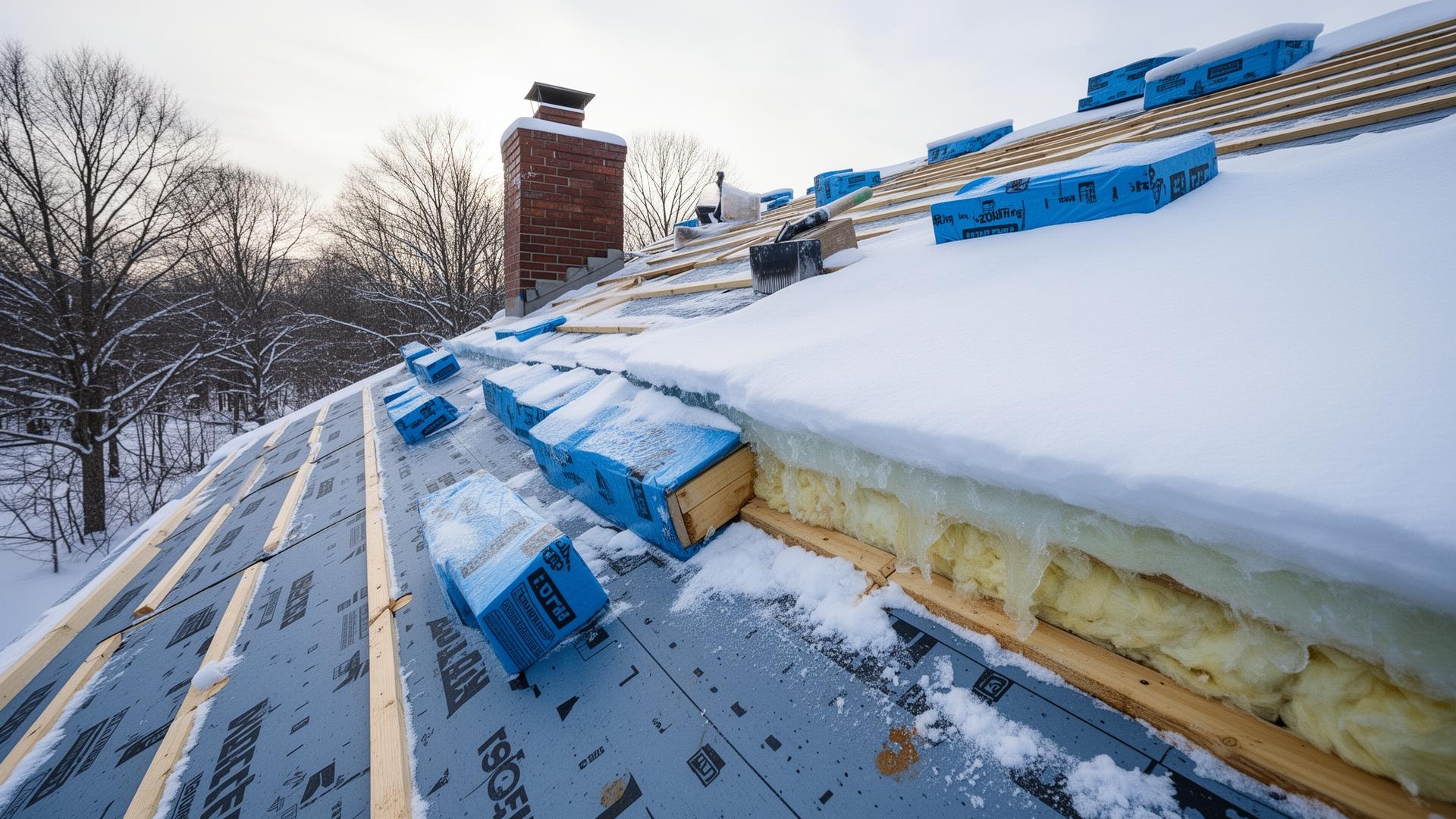
When ice dams do form despite prevention efforts, ice and water shield membrane provides backup protection. This self-adhering membrane applied under shingles creates a waterproof barrier that prevents backed-up water from entering the building.
New York building codes require ice and water shield along eaves for new construction. The coverage must extend at least 24 inches past the interior wall line. Many contractors recommend more extensive coverage for extra protection.
Emergency Ice Dam Response
When ice dams form and threaten to cause damage, emergency response can prevent or limit water intrusion. Creating channels through the ice dam allows backed-up water to drain. This is temporary relief, not a permanent solution.
Never use picks, axes, or other sharp tools on ice dams as you risk damaging shingles. Calcium chloride ice melt in nylon stockings laid across the dam creates channels without tools. Professional ice dam removal uses steam to melt ice safely.
Roof Raking and Snow Removal
Removing snow from the roof edge can prevent ice dams from forming in the first place. Roof rakes with extension handles allow snow removal from the ground, avoiding the need to climb on slippery roofs.
Remove snow from the lower three to four feet of the roof after significant snowfall. This clears the area where ice dams form. Do not attempt to remove all snow from the entire roof, as this is impractical and unnecessary.
Heat Cable Systems
Electric heat cables along eaves and in gutters can prevent ice dam formation by melting snow before it can accumulate and refreeze. These systems work best as a supplement to proper insulation and ventilation, not as a substitute.
Heat cables consume significant electricity over a New York winter. They also require maintenance to ensure continued operation. Consider them when other solutions are insufficient rather than as a first-line defense.
Addressing Ice Dam Damage
If ice dams have already caused damage, addressing it properly prevents ongoing problems. Allow wet areas to dry completely before repairs. Remove and replace wet insulation, which loses its effectiveness and can harbor mold. Check for mold growth and address if found.
After immediate damage is addressed, focus on preventing future ice dams through the insulation, air sealing, and ventilation improvements discussed above.
Conclusion
Ice dams are a manageable problem when you understand the causes and solutions. Investment in proper insulation, air sealing, and ventilation prevents most ice dams before they form. When prevention is not enough, backup protection and emergency responses limit damage.
Ready to find contractors who understand New York ice dam prevention? Browse our verified contractor directory featuring professionals in Albany, Syracuse, Rochester, and communities throughout New York.