Winter Roofing in New York: Protecting Your Home from Snow and Ice
New York winters test roofing systems unlike anywhere else in the country. From heavy lake-effect snow in Buffalo to ice storms across the Hudson Valley, preparing your roof for winter is essential for protecting your home. This guide covers everything New York homeowners need to know about winter roofing.
Understanding New York Winter Conditions
New York experiences a wide range of winter conditions depending on location. Lake-effect snow zones near Buffalo and Syracuse can receive over 100 inches of snow annually. The Hudson Valley and Capital Region experience significant ice storms. Even New York City, while milder, faces freeze-thaw cycles that challenge roofing systems.
These conditions create specific challenges for roofs. Snow accumulation adds weight that can stress structures. Ice dams form when heat escapes and causes complex melt-refreeze patterns. Freeze-thaw cycles work into cracks and seams, causing progressive damage.
Ice Dam Formation and Prevention
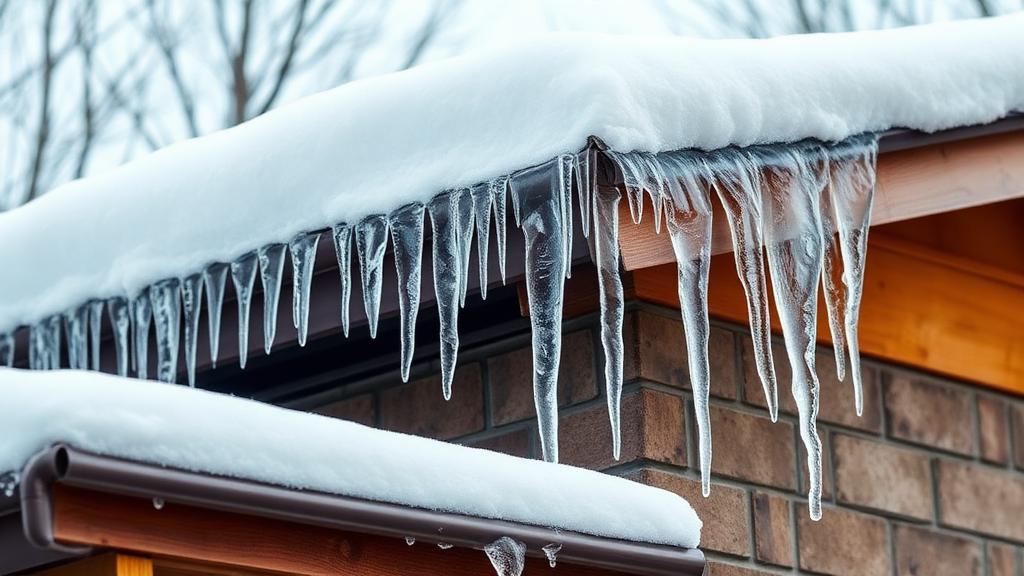
Ice dams are among the most common and damaging winter roofing problems in New York. They form when heat from the living space rises through the attic and warms the roof deck. Snow melts and runs down toward the eaves, where cooler temperatures cause it to refreeze.
The resulting ice dam blocks further drainage, causing water to back up under shingles. This backed-up water can leak into walls, ceilings, and insulation, causing significant damage.
Preventing ice dams requires addressing the root cause, which is heat loss into the attic. Proper attic insulation keeps heat in the living space. Adequate ventilation allows any escaped heat to vent before warming the roof. Air sealing prevents warm air from bypassing insulation.
Ice and Water Shield Installation
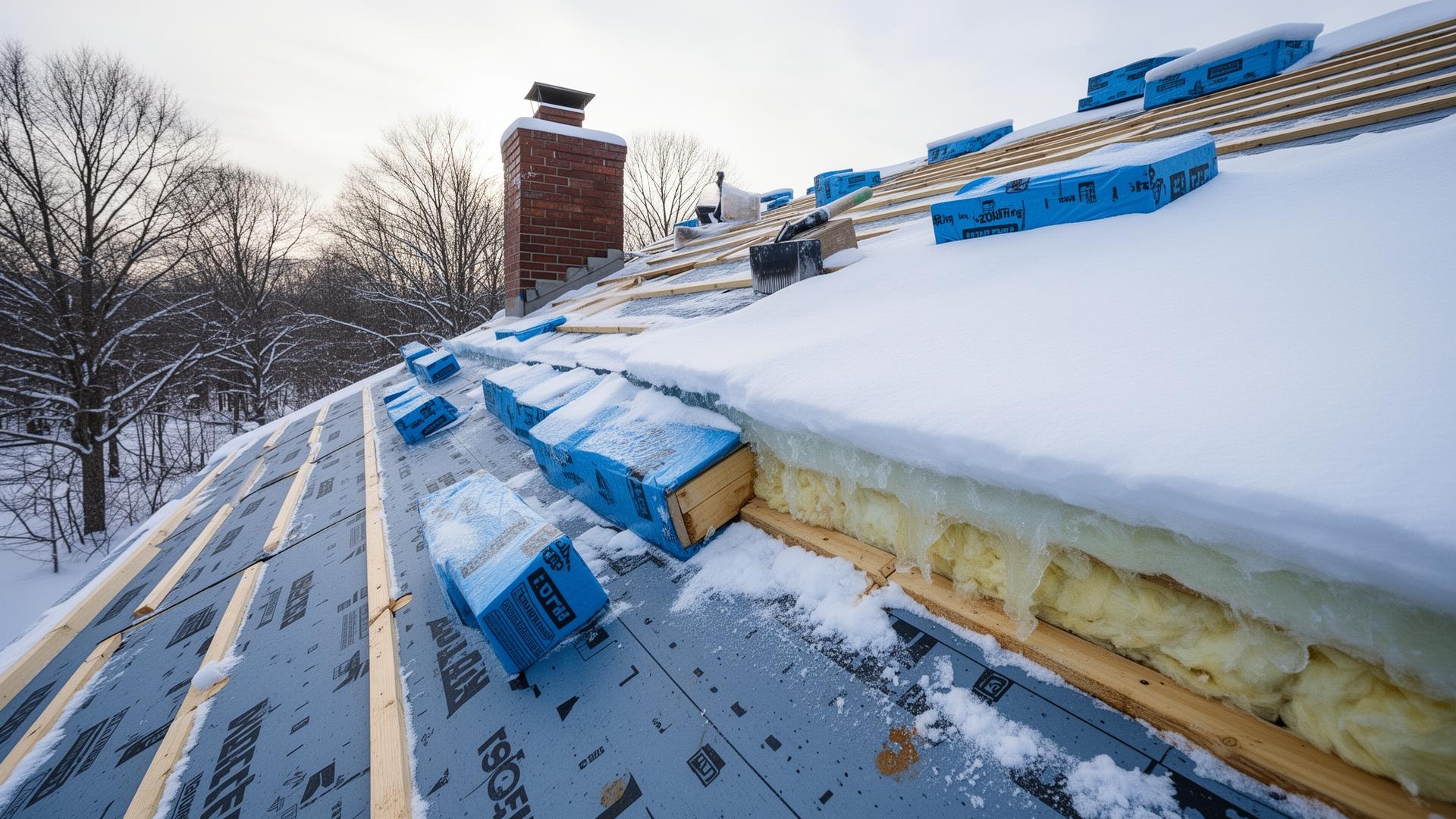
New York building codes require ice and water shield membrane along eaves in new construction and major renovations. This self-adhering membrane provides backup protection if water does penetrate under shingles.
Code typically requires coverage extending at least 24 inches beyond the interior wall line. Many New York contractors recommend additional coverage, especially in severe winter areas. The modest additional cost provides significant protection against ice dam damage.
Snow Load Considerations
Roof structural design accounts for expected snow loads based on geographic location. Upstate New York has some of the highest snow load requirements in the country. Buildings designed for Long Island loads would be dangerously undersized for Buffalo conditions.
Existing homes should have been designed for local conditions, but additions, renovations, or unusual snow years can create problems. Signs of snow load stress include sagging or bowing roof surfaces, cracks in interior walls or ceilings, doors and windows becoming difficult to operate, and popping or cracking sounds during heavy snow.
If you notice these signs, remove snow from the roof and have a structural evaluation performed before the next winter.
Safe Snow Removal
When snow removal becomes necessary, safety is paramount. Roof snow removal is dangerous work that claims lives every winter. Slippery surfaces, hidden roof edges, and falling snow all create hazards.
For most homeowners, professional snow removal is the safest choice. If you must remove snow yourself, use roof rakes with extension handles from the ground when possible. Never climb on a snow-covered roof. Clear only what is necessary to prevent damage, not necessarily all snow.
Ventilation Requirements
Proper attic ventilation serves multiple purposes in New York winters. It helps prevent ice dams by keeping the roof deck cold. It removes moisture that could condense and cause problems. It extends roofing material life by moderating temperature extremes.
New York homes often have inadequate ventilation, especially older homes and those with finished attic spaces. A qualified contractor can evaluate your ventilation and recommend improvements.
Winter Roof Inspections
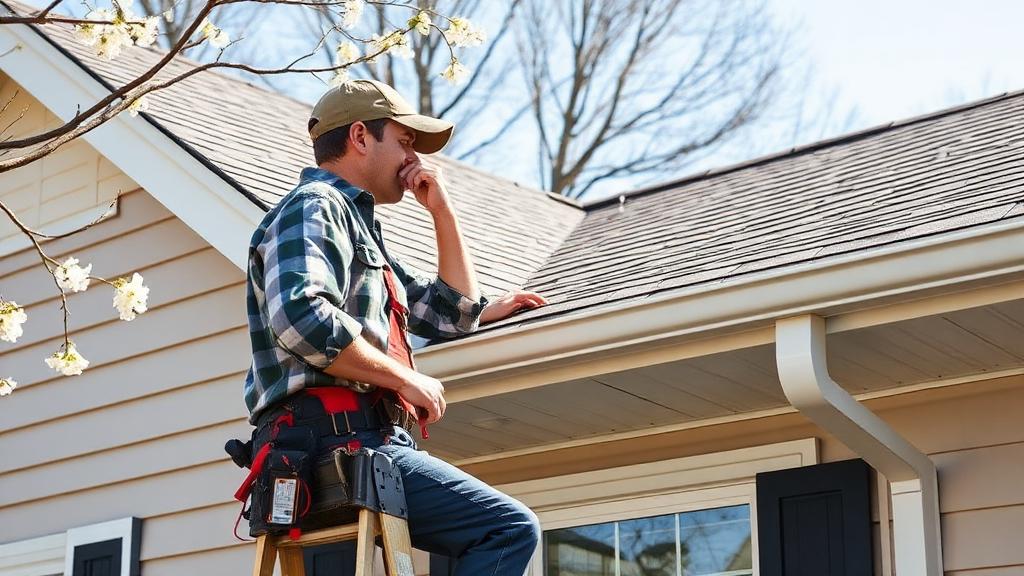
Fall roof inspections help identify and address problems before winter weather arrives. Look for damaged or missing shingles, deteriorated flashing around penetrations, clogged gutters that could contribute to ice dams, and damaged or blocked vents.
Address any issues before winter weather makes repairs more difficult and expensive. Small problems become larger problems when ice and snow enter the equation.
Emergency Winter Repairs
Some roofing problems cannot wait until spring. Active leaks, storm damage, and structural concerns require immediate attention. New York has contractors experienced with winter emergency work.
Winter repairs cost more than fair-weather work due to challenging conditions, safety requirements, and material handling issues. However, the cost of delaying repairs often exceeds the winter premium, as water damage compounds rapidly.
Preparing Your Roof for Winter
Fall preparation helps your roof survive winter in good condition. Clean gutters thoroughly to ensure proper drainage. Trim trees that could drop branches on the roof during ice storms. Have any needed repairs completed before cold weather arrives. Check attic insulation and ventilation.
These steps reduce winter problems and help your roof last longer.
Understanding Warranty Implications
Some roofing warranties have provisions related to winter damage. Ice dam damage may or may not be covered depending on warranty terms. Damage from improper snow removal typically is not covered. Review your warranty to understand what is and is not protected.
Maintaining proper ventilation and insulation demonstrates you have taken reasonable steps to prevent ice dam damage, which can be important if warranty claims become necessary.
Conclusion
New York winters demand properly prepared roofing systems. Understanding ice dam prevention, snow load considerations, and proper maintenance helps protect your home through the challenging winter months. Invest in preparation to avoid costly emergency repairs.
Ready to find contractors experienced with New York winter roofing? Browse our verified contractor directory featuring professionals in Syracuse, Rochester, Buffalo, and communities throughout New York.