
Ohio Hail Damage: Assessment, Insurance Claims, and Roof Repair Guide
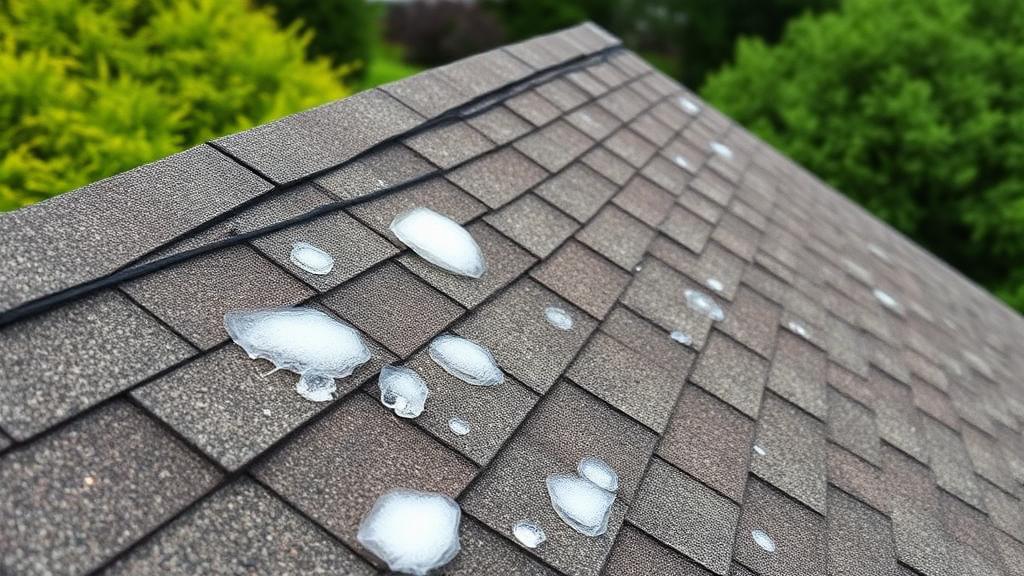
Hail causes significant roofing damage across Ohio each year. Understanding damage assessment, insurance processes, and contractor selection helps homeowners navigate recovery effectively.
Hail Damage to Roofing
Hail impacts roofing materials differently depending on stone size and material type:
Asphalt Shingles: Hail dislodges protective granules, exposes asphalt, and can crack shingles. Damage may not be obvious from ground level.
Metal Roofing: Hail causes visible dents. While cosmetically concerning, minor denting rarely affects performance.
Wood Shakes: Hail can split, crack, or puncture wood roofing. Damage allows water infiltration.
Tile and Slate: Hard impacts crack or break individual tiles. Replacement restores protection.
Identifying Hail Damage
Professional Inspection: After significant hail events, have your roof professionally inspected. Many contractors offer free storm damage assessments.
What Inspectors Look For: - Granule displacement on shingles - Soft spots or exposed material - Cracked or broken materials - Dented metal components - Damaged flashings and vents
Ground Indicators: Check for dented gutters, damaged vents, and marks on siding. These suggest roof damage is likely.
Filing Insurance Claims
Report Promptly: File claims as soon as damage is discovered. Most policies have reporting timeframes.
Document Thoroughly: Photograph all damage from multiple angles. Note the storm date and conditions.
Request Contractor Estimate: Have your contractor provide detailed damage documentation and repair estimates.
Meet the Adjuster: Be present for adjuster inspections. Have your contractor attend if possible.
Understand Your Policy: Know your deductible, coverage limits, and any applicable depreciation.
Working with Insurance Adjusters
First Inspection: Adjusters may miss some damage, particularly on larger roofs. Ensure comprehensive inspection.
Supplement Process: If additional damage is found, your contractor can request a supplement review.
Disputed Claims: If you disagree with findings, request re-inspection or file a formal appeal.
Choosing Repair Contractors
Beware Storm Chasers: After major storms, out-of-area contractors arrive seeking work. Many disappear after collecting payment.
Choose Local Contractors: Established local businesses have reputations to protect. Verify physical address and local history.
Verify Insurance: Confirm current liability and workers compensation coverage. Request certificates.
Written Contracts: Require detailed written contracts specifying materials, timelines, and payment terms.
Payment Terms: Never pay in full upfront. Typical terms: 30-50% deposit, balance upon completion.
Timeline Considerations
Filing Deadlines: Most policies require claims within one year of damage. Some have shorter notification requirements.
Repair Scheduling: After major storms, qualified contractors are backlogged. Book promptly but prioritize quality over speed.
Temporary Protection: If scheduling is delayed, ensure temporary protection is in place to prevent additional damage.
Conclusion
Ohio hail damage recovery requires prompt action, thorough documentation, and careful contractor selection. Work with established local professionals for best results.
Need hail damage assessment? Find Ohio roofing contractors experienced with insurance claims.