Pacific Northwest Storm Damage: Wind, Rain, and Roof Recovery
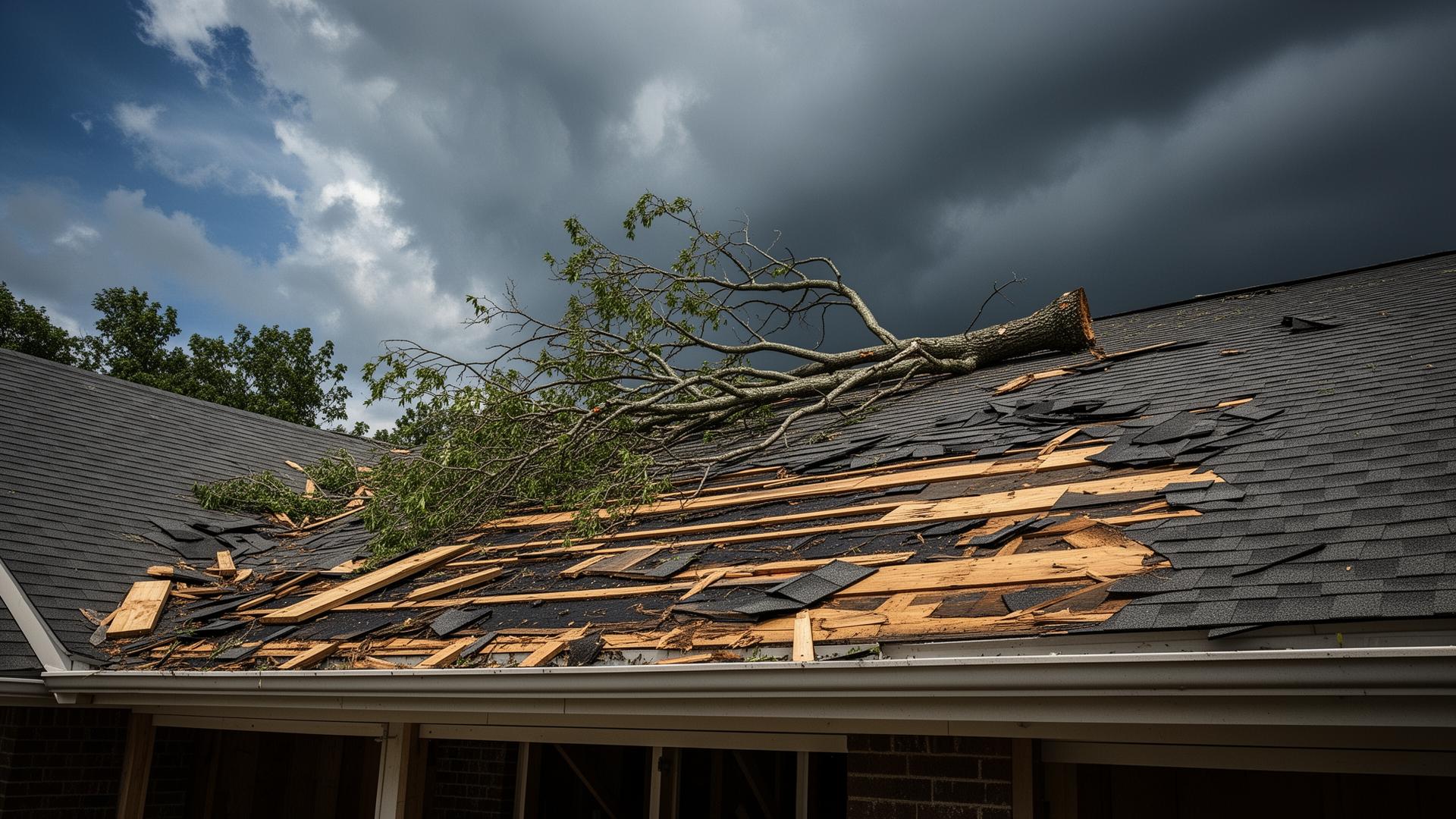
The Pacific Northwest experiences powerful winter storms that bring damaging winds and heavy rain. Seattle and Portland area homeowners face unique challenges requiring specialized response.
Pacific Storm Characteristics
Wind Events: Pacific storms bring sustained high winds and damaging gusts.
Rain Duration: Heavy rain can last for days, testing waterproofing.
Tree Damage: Saturated soil makes trees prone to falling during wind events.
Frequency: Multiple significant storms occur each winter season.
Identifying Storm Damage
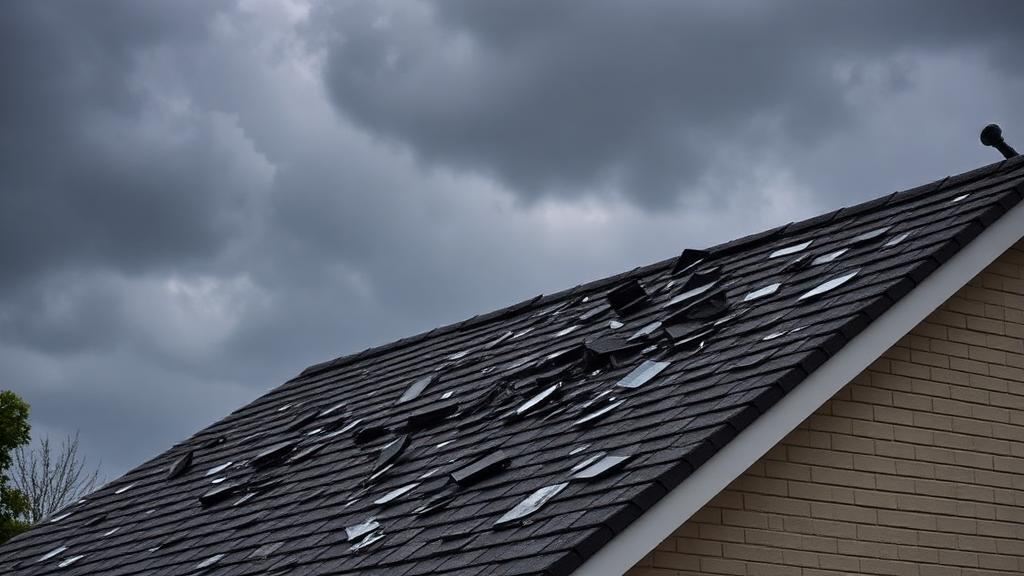
Wind Damage: Lifted shingles, blown-off sections, and exposed underlayment.
Water Intrusion: Leaks during or after heavy rain indicate damage.
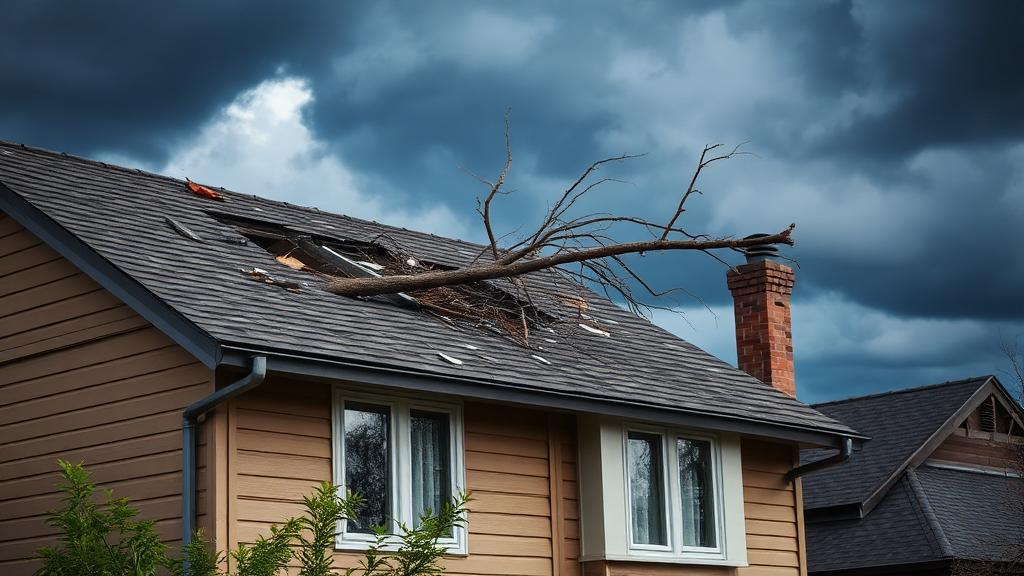
Debris Impact: Fallen branches and trees cause secondary damage.
Flashing Failures: High winds can compromise roof penetration seals.
Emergency Response
Safety First: Don't inspect during active storms or near fallen trees.
Water Management: Divert water away from structures where possible.
Interior Protection: Move furniture and valuables from affected areas.
Document Damage: Photograph conditions as soon as safely possible.
Immediate Repairs
Tarping: Cover exposed areas with quality tarps.
Debris Removal: Clear fallen branches and debris safely.
Temporary Sealing: Address obvious water entry points.
Professional Help: Schedule contractor inspection quickly.
Insurance Considerations
Storm Coverage: Standard policies cover wind and storm damage.
Tree Damage: Coverage typically includes damage from fallen trees.
Water Damage: Document water intrusion from storm damage.
Multiple Claims: Significant seasons may involve multiple storm claims.
Finding Pacific Northwest Contractors
State Licensing: Verify Washington or Oregon contractor licenses.
Storm Experience: Choose contractors experienced with Pacific storms.
Emergency Services: Some offer emergency tarping and repairs.
Local Preference: Established local contractors are preferred.
Moss and Moisture Concerns
Storm Aftermath: Storms can dislodge moss, revealing underlying damage.
Moisture Assessment: Professional inspection checks for hidden moisture.
Long-Term Effects: Storm damage may lead to accelerated deterioration.
Prevention Strategies
Regular Maintenance: Annual inspections identify storm vulnerabilities.
Tree Management: Remove or trim trees that threaten your roof.
Moss Control: Regular moss treatment maintains roof condition.
Quality Underlayment: Synthetic underlayment provides superior protection.
Conclusion
Pacific Northwest storm damage requires prompt professional attention. Document conditions thoroughly and work with licensed local contractors.
Find Washington roofing contractors or Oregon contractors for storm damage restoration.