Navigating Roof Insurance Claims in Texas: A Complete Guide
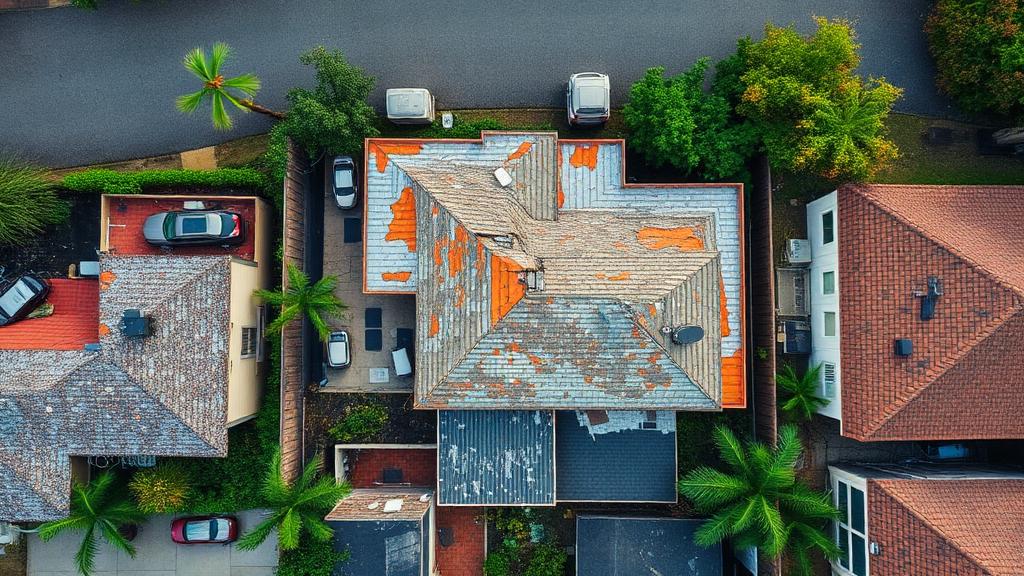
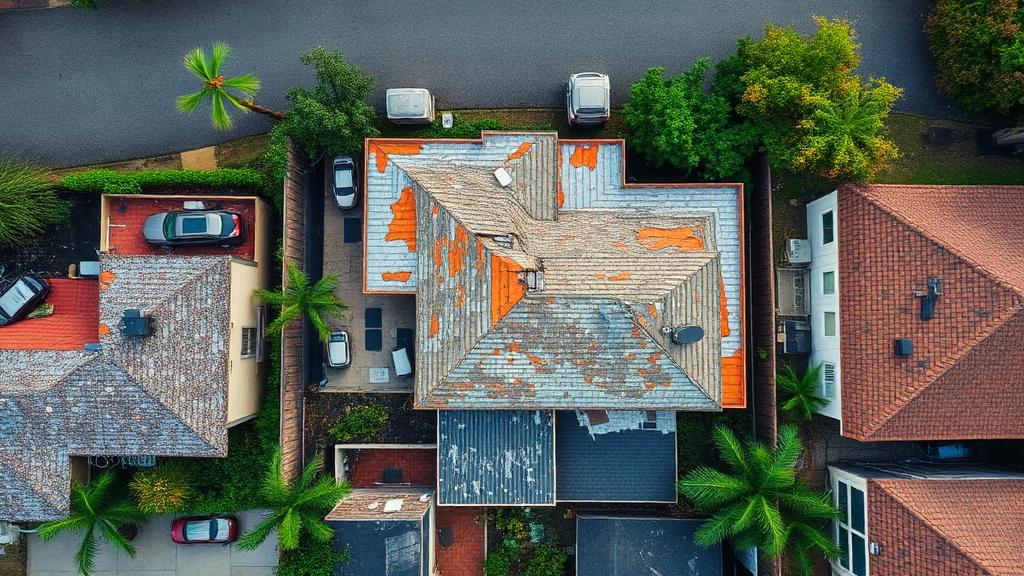
Texas experiences more roof insurance claims than almost any other state due to severe weather. Understanding the claims process, policy types, and your rights as a homeowner is essential for protecting your investment.
Understanding Texas Roof Insurance Policies
Replacement Cost vs. Actual Cash Value: Texas policies typically offer either replacement cost (pays full replacement) or actual cash value (depreciated value). Know which you have before filing.
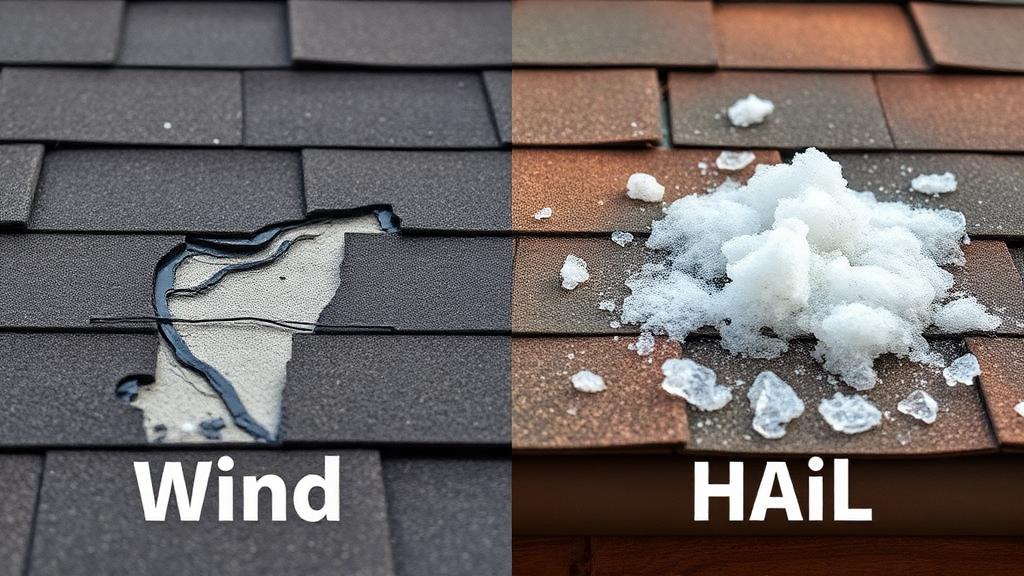
Wind and Hail Deductibles: Many Texas policies have separate percentage-based deductibles for wind/hail damage, often 1-2% of your home's insured value.
Cosmetic Damage Exclusions: Some policies exclude cosmetic hail damage. Review your policy language carefully.
Filing a Successful Texas Roof Claim
Document Immediately: After a storm, photograph all damage from multiple angles before any temporary repairs.
File Promptly: Texas law requires timely claim filing. Don't delay—most policies have strict deadlines.
Get Multiple Estimates: Obtain 2-3 contractor estimates before the adjuster visit. This provides leverage during negotiations.
Be Present for Inspection: Always be present when the insurance adjuster inspects your roof. Take notes and photos.
Working with Adjusters in Texas
Initial Inspection: The first adjuster visit often results in a lower estimate. Be prepared to negotiate.
Supplemental Claims: If additional damage is discovered during repairs, file a supplement claim immediately.
Public Adjusters: Consider hiring a public adjuster for complex claims—they work for you, not the insurance company.
Texas-Specific Insurance Laws
Prompt Payment Act: Texas insurers must acknowledge claims within 15 days and pay within 5 business days of approval.
Right to Appraisal: If you disagree with the settlement, Texas law provides an appraisal process to resolve disputes.
Bad Faith Claims: Insurers who unreasonably deny or delay claims may face penalties under Texas Insurance Code.
Common Texas Claim Denials
Age-Related Wear: Insurers often attribute damage to age rather than storms. Document your roof's pre-storm condition.
Maintenance Issues: Keep records of regular maintenance to counter claims of neglect.
Prior Damage: Insurance companies may claim damage predates the storm. Dated photos help refute this.
Choosing the Right Contractor
Insurance Restoration Specialists: Choose contractors experienced with Texas insurance claims.
Avoid Storm Chasers: Out-of-state contractors may disappear before warranty issues arise.
Written Agreements: Get everything in writing, including scope, timeline, and payment terms.
Conclusion
Texas roof insurance claims require knowledge, documentation, and persistence. Work with experienced contractors who understand the claims process. Know your policy terms and your rights under Texas law.
Find Texas roofing contractors experienced in insurance claim restoration.