Roof Leak Detection: Expert Methods for Finding and Fixing Water Intrusion
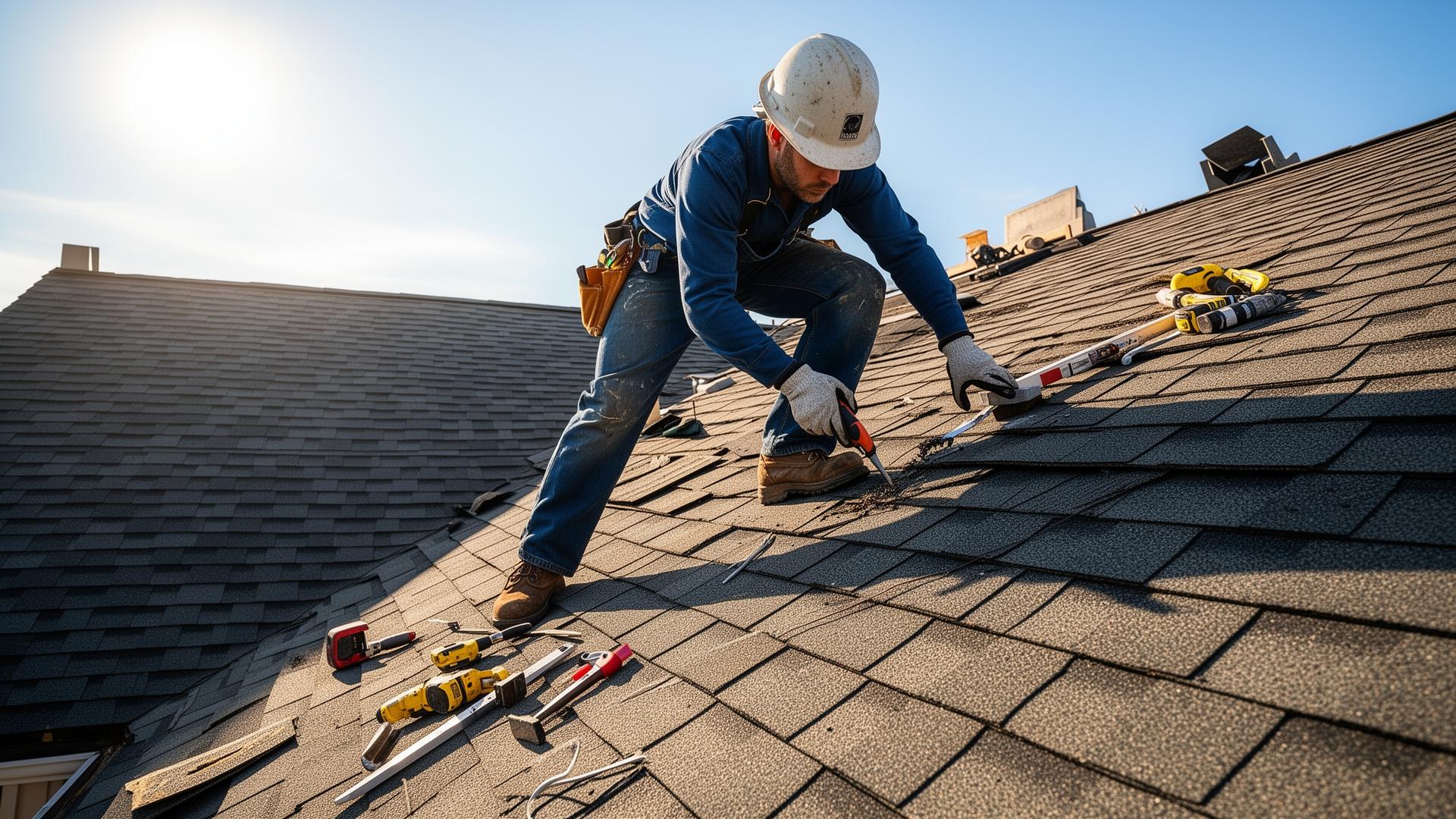
Few home problems cause as much anxiety as a roof leak. Water stains appearing on ceilings often trigger panic, yet finding the actual leak source frequently proves challenging. Understanding how water travels through roofing systems and employing systematic detection methods saves time, money, and frustration.
Why Leaks Are Hard to Find
Roof leaks rarely appear directly below their source, complicating detection efforts.
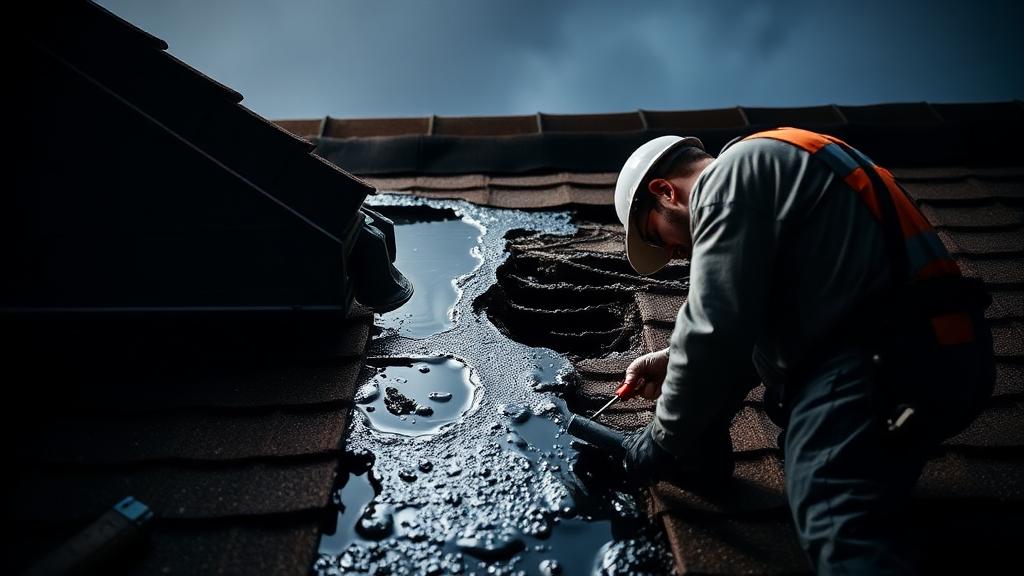
Water Travel Patterns: Water entering through a roof defect often travels along rafters, sheathing, or insulation before dropping to the ceiling below. A stain in the living room may originate from a leak 15 feet away.
Intermittent Leaks: Some leaks only occur during specific conditions-wind-driven rain from certain directions, ice dam backup, or when snow accumulates. These conditional leaks may not manifest during standard inspections.
Multiple Entry Points: Complex roof designs with valleys, dormers, and penetrations create numerous potential entry points. A single visible leak may have multiple contributing sources.
Delayed Appearance: Water absorbed by insulation or wood may not produce visible stains until saturation occurs, meaning leaks may have existed for weeks or months before detection.
Systematic Detection Approach
Professionals use methodical approaches to trace leaks to their source.
Interior Mapping: Start at the visible stain and work backward. Note the location relative to roof features, check for water trails on framing, and look for patterns in staining that indicate water flow direction.
Attic Investigation: If accessible, attic inspection often reveals the leak path. Look for water stains on rafters, wet insulation, daylight through the roof deck, or moisture on the underside of sheathing.
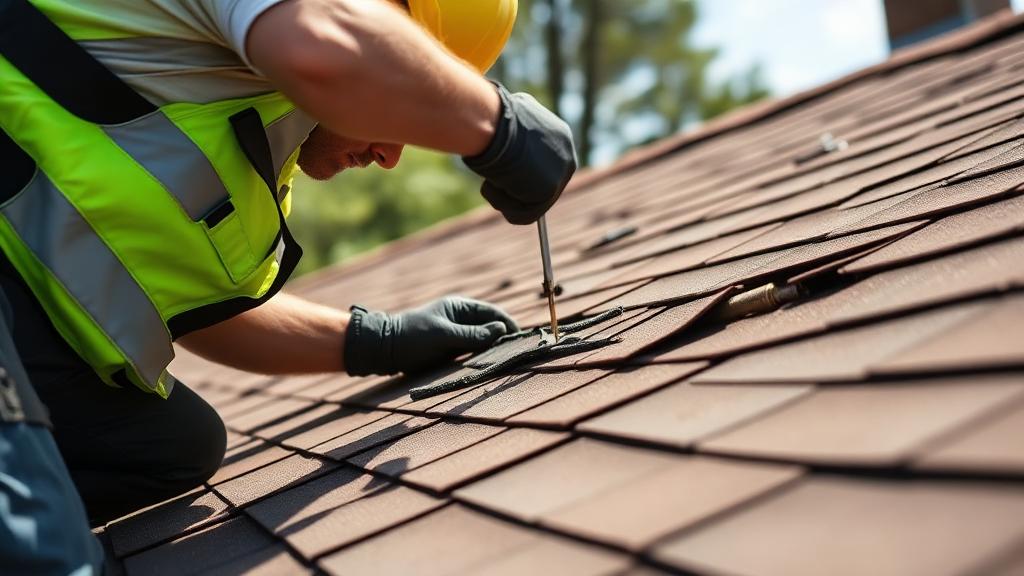
Exterior Correlation: Match interior leak locations to exterior roof features. Leaks commonly occur near penetrations (vents, chimneys, skylights), at flashing locations, in valleys, and at roof-wall intersections.
Weather Correlation: Note when leaks occur. Leaks during light rain suggest missing shingles or flashing failure. Leaks only during heavy rain or wind-driven rain may indicate wind damage or subtle failures.
Common Leak Locations
Understanding where leaks commonly occur focuses inspection efforts.
Roof Penetrations: Every penetration through the roof surface creates potential leak points. Plumbing vents, exhaust fans, HVAC equipment, satellite dishes, and electrical masts all require proper flashing and sealing.
Flashings: The metal flashings at walls, chimneys, skylights, and valleys are common failure points. Sealant deterioration, metal corrosion, and installation errors cause flashing leaks.
Valleys: Roof valleys concentrate water flow, making any defects in valley flashing or shingle installation likely to leak.
Chimney Areas: Chimneys require multiple flashing components (step flashing, counter flashing, cricket) that can fail independently. Mortar deterioration in the chimney itself also causes leaks.
Skylights: Skylight frames, curb connections, and surrounding shingles all represent potential leak sources.
Ridge and Hip Caps: Ridge cap shingles can lift in high winds, allowing water infiltration at the roof's highest points.
Professional Detection Methods
When visual inspection proves insufficient, professionals employ advanced techniques.
Water Testing: Systematically applying water to suspected areas with a garden hose while an observer watches from inside. Starting low and working up isolates leak sources without overwhelming multiple entry points simultaneously.
Infrared Thermography: Thermal cameras detect temperature differences that indicate moisture presence. Wet areas cool differently than dry areas, appearing as distinct patterns on thermal images.
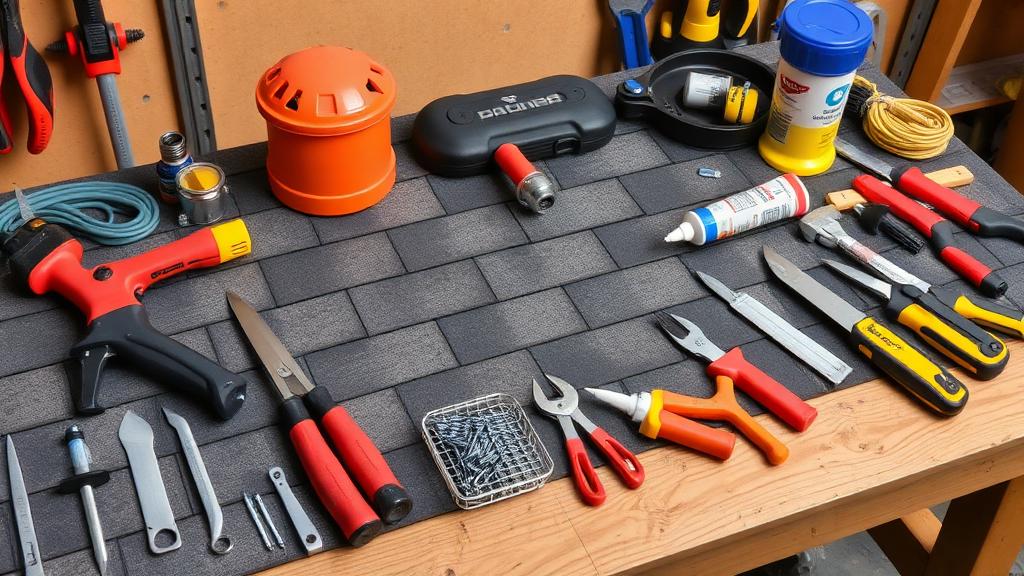
Moisture Meters: Electronic moisture meters quantify moisture content in roofing materials, sheathing, and framing. These tools identify wet areas that may not be visually apparent.
Electronic Leak Detection: For flat roofs with appropriate membranes, electronic detection systems can pinpoint breach locations precisely by measuring electrical conductivity changes.
Emergency Leak Response
Immediate actions minimize damage when leaks are discovered.
Contain the Water: Place containers to catch dripping water and protect flooring and furnishings with plastic sheeting.
Relieve Water Pressure: If a ceiling is bulging with collected water, carefully puncture the center to release water into a container rather than allowing uncontrolled ceiling collapse.
Document Everything: Photograph water damage for insurance purposes. Note when the leak was discovered, weather conditions, and any visible damage.
Temporary Measures: Emergency tarping may be necessary during ongoing precipitation. This is temporary protection, not a repair, but prevents additional water intrusion.
Repair Approaches by Cause
Proper repair requires matching solutions to causes.
Missing Shingles: Replace missing shingles with matching material, ensuring proper nailing and sealant application.
Flashing Failure: Repair or replace failed flashing, ensuring proper integration with surrounding roofing materials and appropriate sealant application.
Vent Boot Failure: Rubber vent boots deteriorate over time. Replacement boots are relatively inexpensive and straightforward for professionals to install.
Valley Issues: Valley repairs may involve patching, re-sealing, or complete valley replacement depending on damage extent.
Ice Dam Damage: Address both the immediate damage and underlying causes including inadequate insulation and ventilation.
Prevention Strategies
Proactive maintenance prevents many leaks.
Regular Inspections: Annual professional inspections and homeowner visual checks after storms catch problems early.
Gutter Maintenance: Clean gutters prevent backup that can force water under roofing materials.
Tree Management: Overhanging branches damage roofing and deposit debris that traps moisture.
Attic Ventilation: Proper ventilation prevents moisture buildup and ice dam formation.
Prompt Repairs: Address minor issues before they become major leaks.
Conclusion
Roof leaks require patience and systematic investigation to resolve effectively. Understanding water travel patterns, knowing common leak locations, and employing appropriate detection methods leads to accurate diagnosis. Professional contractors bring experience and specialized tools that expedite leak resolution and ensure lasting repairs.
Find roofing contractors experienced in leak detection and repair.