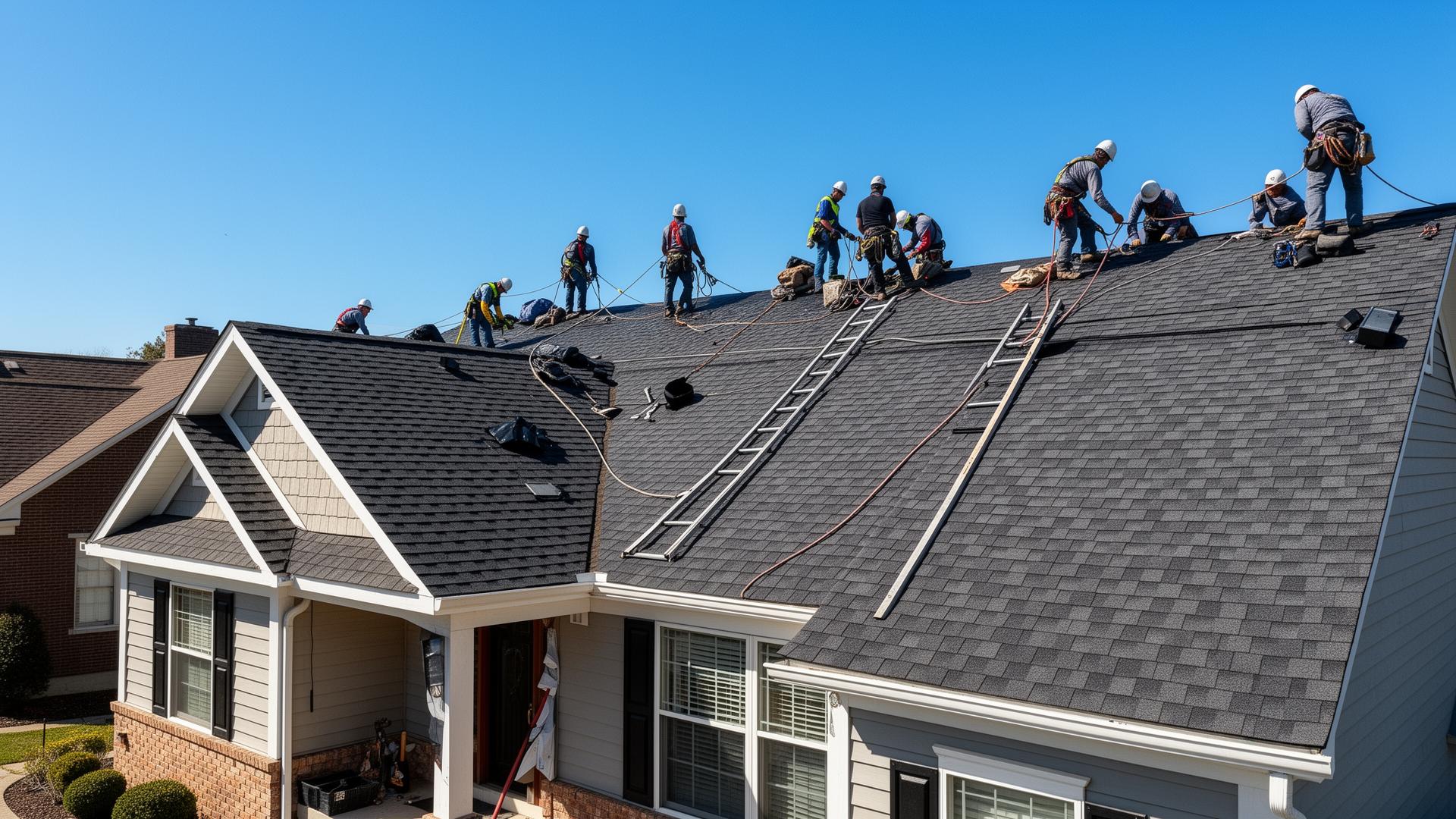
Roofing Permits Explained: What Every Homeowner Needs to Know in 2026

Do You Need a Permit for Your Roofing Project?
One of the most common questions homeowners ask before starting a roofing project is: "Do I need a permit?" The short answer in most cases is yes—but the specifics vary significantly by location, project scope, and local building codes.
Skipping the permit process might seem tempting to save time and money, but the consequences can be severe: fines, forced removal of unpermitted work, insurance claim denials, and problems when selling your home. This guide explains everything you need to know about roofing permits in 2026.
When Is a Roofing Permit Required?
Projects That Almost Always Require a Permit
1. Full Roof Replacement Replacing your entire roof—whether the same material or upgrading—requires a building permit in virtually every U.S. jurisdiction. This applies to: - Tear-off and re-roof with new shingles - Material changes (e.g., asphalt to metal) - Adding or removing layers - Any work that involves structural modifications to the roof deck
2. Structural Modifications Any work that changes the roof's structure requires both a building permit and often engineered plans: - Adding or enlarging skylights - Installing roof penetrations for HVAC equipment - Changing roof pitch or shape - Adding dormers or roof extensions - Reinforcing trusses or rafters for heavier materials (e.g., upgrading to tile)
3. New Roof Construction All new construction, additions, and covered structures (porches, carports, pergolas) require permits.
Projects That May Not Require a Permit
Some jurisdictions exempt minor roof repairs from permit requirements:
- Small patch repairs: Replacing fewer than 10 shingles or patching a small area (typically under 100 square feet)
- Gutter replacement: Usually permit-exempt, but check locally
- Flashing repairs: Minor sealant and flashing maintenance
- Emergency temporary repairs: Tarping and temporary patches after storm damage
Important:: Even if your jurisdiction exempts small repairs, the definition of "small" varies widely. Always check with your local building department before assuming a permit isn't needed.
How to Get a Roofing Permit
Step 1: Determine Your Local Requirements
Contact your local building department (city or county level):
- In person: Visit the permit office at your city or county building
- Online: Many jurisdictions offer online permit portals
- Phone: Call the building department's permit information line
- Through your contractor: Licensed contractors are familiar with local requirements and often pull permits as part of their service
Step 2: Gather Required Documentation
Typical permit application requirements include:
- Property information: Address, legal description, lot number
- Scope of work: Description of the roofing project
- Material specifications: Manufacturer, product name, fire rating, wind rating
- Contractor information: License number, insurance certificates
- Site plan: May be required for structural changes
- Engineering plans: Required for structural modifications (prepared by a licensed structural engineer)
- HOA approval: Some jurisdictions require proof of HOA approval before issuing permits
Step 3: Submit the Application and Pay Fees
Permit fees vary significantly by location:
| Jurisdiction Type | Typical Residential Roof Permit Fee |
|---|---|
| Small town/rural county | $50–$150 |
| Medium-sized city | $100–$300 |
| Large metropolitan area | $200–$600 |
| Major city (NYC, Chicago, LA) | $300–$1,000+ |
Most jurisdictions process standard roofing permits within 3–10 business days. Structural modifications requiring plan review can take 2–6 weeks.
Step 4: Display the Permit
Once approved, the permit must be posted at the job site in a visible location (typically in a window facing the street). The permit includes:
- Permit number
- Property address
- Scope of work
- Inspection requirements
- Expiration date (usually 6–12 months)
The Inspection Process
Most roofing permits require at least one inspection, sometimes two:
Pre-Installation Inspection (When Required)
Some jurisdictions inspect the roof deck after tear-off but before new material installation:
- Verifies structural integrity of the deck
- Confirms ice and water shield installation meets code
- Checks underlayment specification and installation
- Ensures ventilation modifications comply with code
Final Inspection
The final inspection occurs after the project is complete:
- Verifies materials match the permit application
- Checks installation quality (nailing patterns, flashing, edge details)
- Confirms ventilation meets current code
- Issues a certificate of completion
If you fail inspection:: The inspector will identify deficiencies that must be corrected. A re-inspection is scheduled (sometimes with an additional fee of $50–$150) after corrections are made.
Why Skipping the Permit Is a Bad Idea
Financial Consequences
1. Fines and penalties Most jurisdictions can fine you $500–$5,000+ for unpermitted construction. Some impose daily fines until permits are obtained.
2. Forced removal In extreme cases, the building department can require you to remove unpermitted work—meaning you'd tear off the new roof and start over with proper permits.
3. Insurance claim denial If your roof suffers storm damage and the insurance company discovers the roof was installed without a permit, they may deny the claim entirely. This is increasingly common as insurers use aerial imagery to verify roof ages and permit histories.
4. Problems selling your home During the sale process, home inspectors and title companies check permit records. Unpermitted roof work can: - Delay or kill a sale - Require retroactive permitting (expensive and uncertain) - Reduce your home's appraised value - Create title insurance complications
Safety Consequences
Permits exist to protect you. The inspection process verifies:
- Structural adequacy of the roof system
- Proper attachment to resist wind uplift
- Fire-rated materials in required areas
- Adequate ventilation to prevent moisture damage
- Compliance with current energy codes
Warranty Consequences
Many roofing material manufacturers require permitted installation for warranty coverage. If your roof fails prematurely and the manufacturer discovers no permit was pulled, they may void the warranty—leaving you responsible for the full replacement cost.
Who Is Responsible for Pulling the Permit?
In Most Cases: The Contractor
Licensed roofing contractors typically pull permits as part of their standard service. A contractor who refuses to pull a permit or suggests skipping it is a major red flag. This behavior suggests:
- They may not be properly licensed
- They're cutting corners on quality
- They don't want their work inspected
- They're likely uninsured or underinsured
When Homeowners Pull Permits
Homeowner-pulled permits are sometimes necessary for:
- DIY roofing projects (allowed in some jurisdictions for owner-occupied properties)
- When using a handyman or unlicensed labor
- When the contractor is from out of state and can't pull local permits
Important:: If you pull the permit as the homeowner, you assume legal responsibility as the "general contractor" for code compliance, safety, and workers' compensation.
Special Permit Considerations
Historic Districts Properties in historic districts may require additional approvals: - Historic preservation board review - Specific material requirements (matching original materials) - Color and style restrictions - Extended review timelines (4–12 weeks)
HOA Communities Many HOAs have separate approval processes: - Architectural Review Committee (ARC) approval required before permit - Material and color restrictions - Approved contractor lists - Application fees ($50–$200)
Solar Panel Integration If you're combining a roof replacement with solar panel installation: - Separate electrical permit typically required for solar - Structural engineering may be needed for solar mounting loads - Some jurisdictions offer expedited "solar-ready roof" permits
How to Verify Permit History
If you're buying a home or want to check your own permit history:
- Local building department website: Many offer searchable permit databases
- In-person records request: Visit the building department with your property address
- Title search: Title companies check permit records during real estate transactions
- Third-party services: Companies like BuildFax compile permit data nationally
The Bottom Line
Roofing permits protect your investment, ensure safety, and prevent costly problems down the road. The $100–$500 permit fee is a tiny fraction of a $10,000–$25,000 roof replacement, and the peace of mind is invaluable.
Always work with a licensed roofing contractor who pulls proper permits, welcomes inspections, and stands behind their work. It's the single most important step in ensuring your roofing project is done right.