San Antonio Roofing Guide: South Texas Homeowner Resource
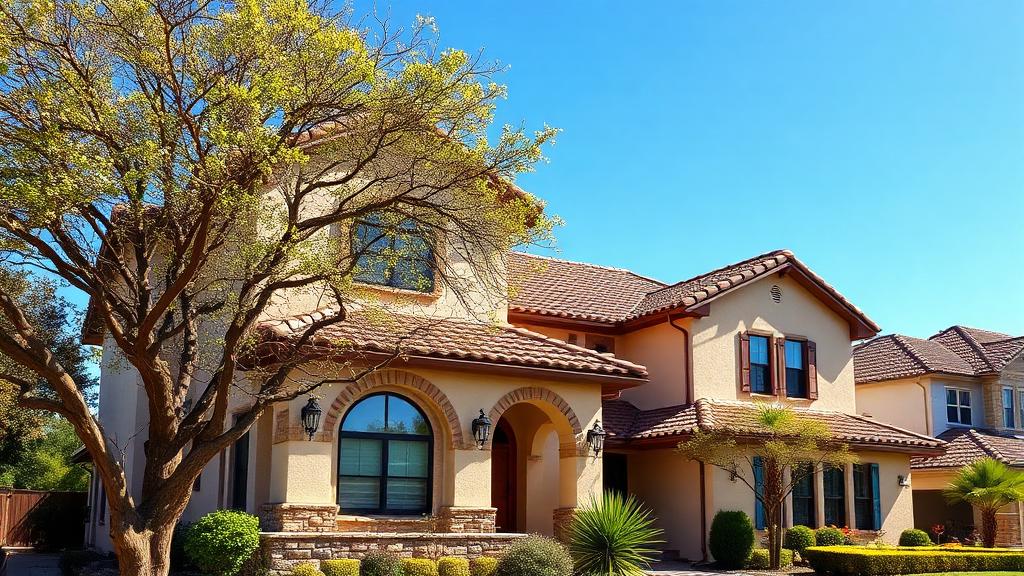
San Antonio homeowners enjoy the unique blend of South Texas heat and Hill Country charm that defines the Alamo City. This diverse region presents specific roofing challenges that require careful material selection and expert installation. From the historic King William District to modern developments in Stone Oak, this comprehensive guide helps San Antonio residents make informed roofing decisions.
Understanding San Antonio Climate
The San Antonio metropolitan area experiences distinct climate patterns that significantly impact roofing performance and material longevity.
Extended Heat Season: San Antonio summers are legendary, with temperatures regularly exceeding 100 degrees Fahrenheit from June through September. The heat season extends well into October many years, subjecting roofs to prolonged thermal stress. Roof surface temperatures can reach 150-160 degrees on peak summer days, accelerating material aging and dramatically increasing cooling costs for homes with inadequate roofing systems.
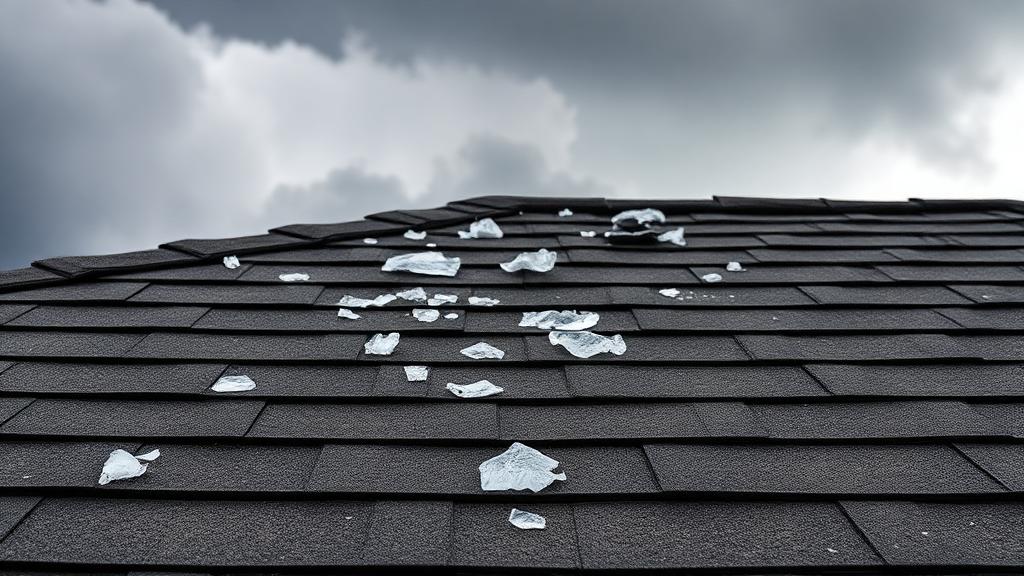
Occasional Severe Hail: While San Antonio experiences less frequent hail than the Dallas-Fort Worth metroplex, significant hail events occur periodically and can cause substantial damage. The April 2016 hailstorm caused extensive damage throughout the region, and subsequent events have reinforced the value of impact-resistant materials. Spring storm season from March through May brings the highest severe weather risk.
Intense UV Exposure: San Antonios sunny climate means intense ultraviolet radiation that accelerates roofing material degradation. UV damage causes granule loss on asphalt shingles, color fading, and premature brittleness. Selecting materials with enhanced UV resistance extends roof lifespan and maintains aesthetic appearance.
Humidity Variation: San Antonio experiences significant seasonal humidity variation, from the dry conditions of late summer to the more humid periods of spring and fall. This cycling affects roofing materials differently than constant humidity, requiring materials that handle both conditions effectively.
Popular San Antonio Roofing Materials
San Antonios diverse architecture and climate support various roofing material choices, each with advantages for local conditions.
Tile Roofing: Spanish and Mediterranean tile roofing dominates historic San Antonio neighborhoods and remains popular in new construction. Clay and concrete tiles suit San Antonios architectural heritage while providing exceptional heat resistance and longevity. Properly installed tile roofs last 50-100 years, making them excellent long-term investments despite higher initial costs. The thermal mass of tile helps moderate temperature fluctuations, contributing to indoor comfort.
Cool Roof Shingles: Several manufacturers offer shingles specifically designed for hot climates like San Antonios. These products feature specialized granules that reflect more solar radiation than traditional shingles, reducing roof surface temperatures by 20-30 degrees. The resulting reduction in attic temperatures decreases cooling costs and extends shingle life.
Metal Roofing: Metal roofing has grown substantially in popularity throughout San Antonio. Standing seam and metal shingle systems reflect solar radiation, handle temperature extremes without degradation, and provide 50+ year lifespans. Modern metal roofing comes in profiles and colors that complement any architectural style from traditional Texas ranch to contemporary modern.
Concrete Tile: Concrete tile offers the aesthetic appeal of traditional clay tile at lower cost. Modern concrete tiles come in numerous profiles and colors, including products that closely mimic natural clay. Concrete tiles provide excellent heat resistance and durability while weighing less than traditional clay, potentially eliminating structural reinforcement requirements.
San Antonio Roofing Costs
Roofing costs in San Antonio remain competitive while reflecting the quality expectations of this major Texas market.
Standard Asphalt Shingles: $4.25-$6.75 per square foot installed. Basic three-tab shingles fall at the lower end while mid-grade architectural products occupy the middle range.
Tile Roofing Systems: $10.00-$18.00 per square foot depending on tile type and installation complexity. Clay tiles typically cost more than concrete, with custom colors and profiles commanding premiums.
Metal Roofing: $8.00-$14.00 per square foot for quality installations. Standing seam typically costs more than metal shingles, with premium finishes increasing costs.
Premium Materials: $12.00+ per square foot for designer shingles, synthetic slate, and other specialty products.
Historic District Considerations
San Antonio contains numerous historic districts with specific roofing requirements that homeowners must understand before beginning projects.
Material Restrictions: Historic districts often restrict roofing material choices to maintain neighborhood character. The King William Historic District, Monte Vista, and Alamo Heights historic areas each have specific requirements. Verify requirements with local historic commissions before selecting materials.
Period-Appropriate Options: Historic properties often require materials that match original construction or approved alternatives. Modern products can often achieve period-appropriate appearances while providing contemporary performance.
HOA and Commission Guidelines: Many San Antonio neighborhoods combine HOA requirements with historic district regulations. Understanding all applicable requirements prevents costly changes after project begins.
Permit and Review Process: Historic district projects often require review beyond standard building permits. Factor additional review time into project planning.
Energy Efficiency Priorities
Energy efficiency deserves special attention for San Antonio roofing given the extended cooling season and high electricity costs.
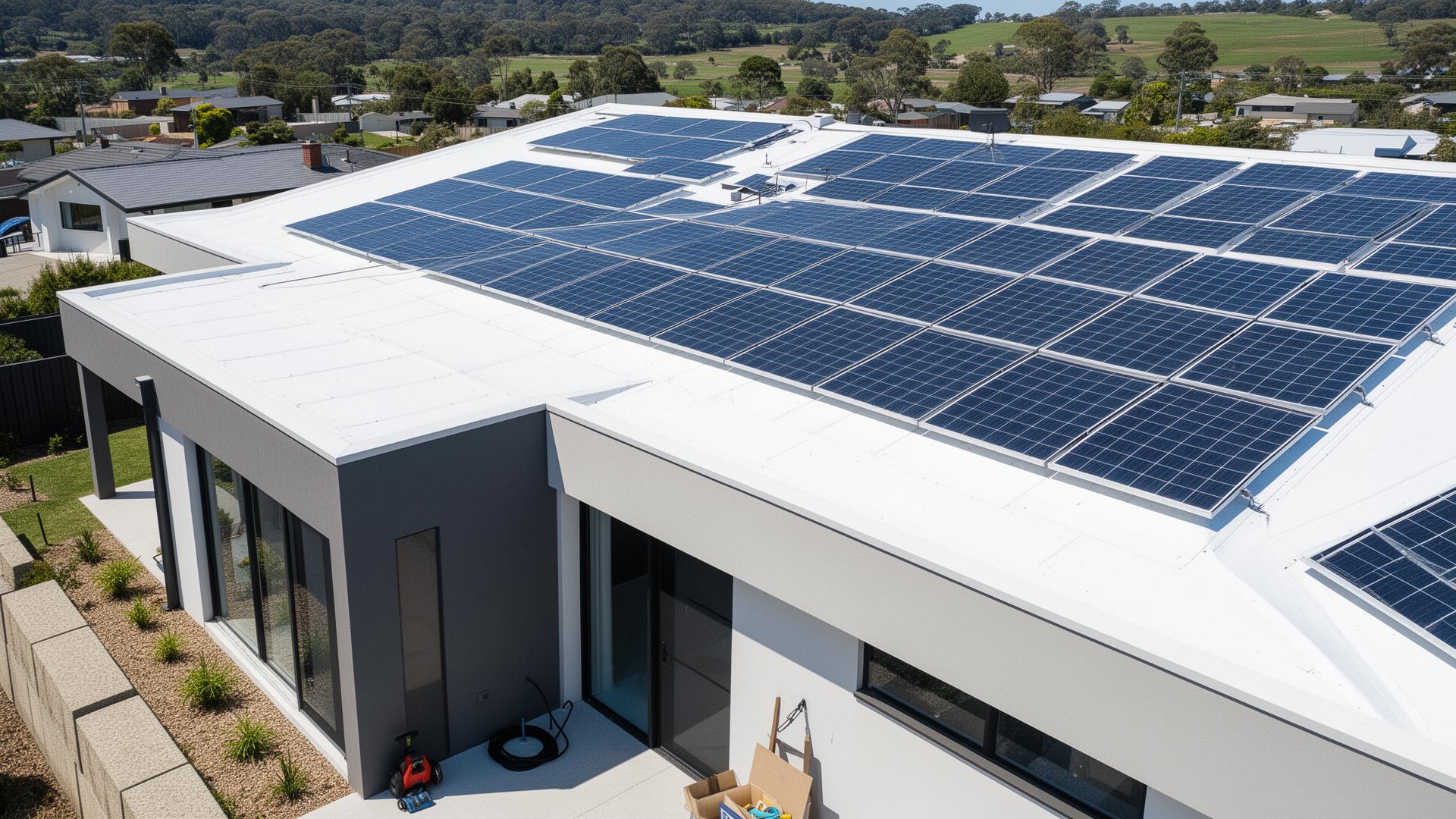
Reflective Coatings and Materials: Light-colored or reflective roofing materials significantly reduce cooling loads. Studies show reflective roofs can lower roof surface temperatures by 50-60 degrees compared to dark conventional materials, translating to meaningful air conditioning savings.
Proper Ventilation Systems: Adequate attic ventilation removes heat buildup and extends roofing material life. Balanced intake and exhaust ventilation maintains cooler attic temperatures and prevents moisture problems.
Insulation Coordination: Modern standards recommend R-38 to R-49 for San Antonio attics. Combining roof replacement with insulation upgrades maximizes energy efficiency improvements.
Light Color Selection: Choosing lighter roof colors maximizes solar reflection while maintaining aesthetic appeal. Many tile and shingle products offer light colors that suit San Antonios architectural traditions.
Conclusion
San Antonio roofing successfully balances the citys rich architectural heritage with modern performance requirements. Tile and metal options offer excellent heat management while maintaining appropriate aesthetics for historic and contemporary homes alike. Energy efficiency should guide material selection given the extended cooling season.
Find your contractor. Browse San Antonio roofers for quality installation on your Alamo City home.