Storm Damage Roof Repair: Assessment, Insurance Claims & Repair Guide
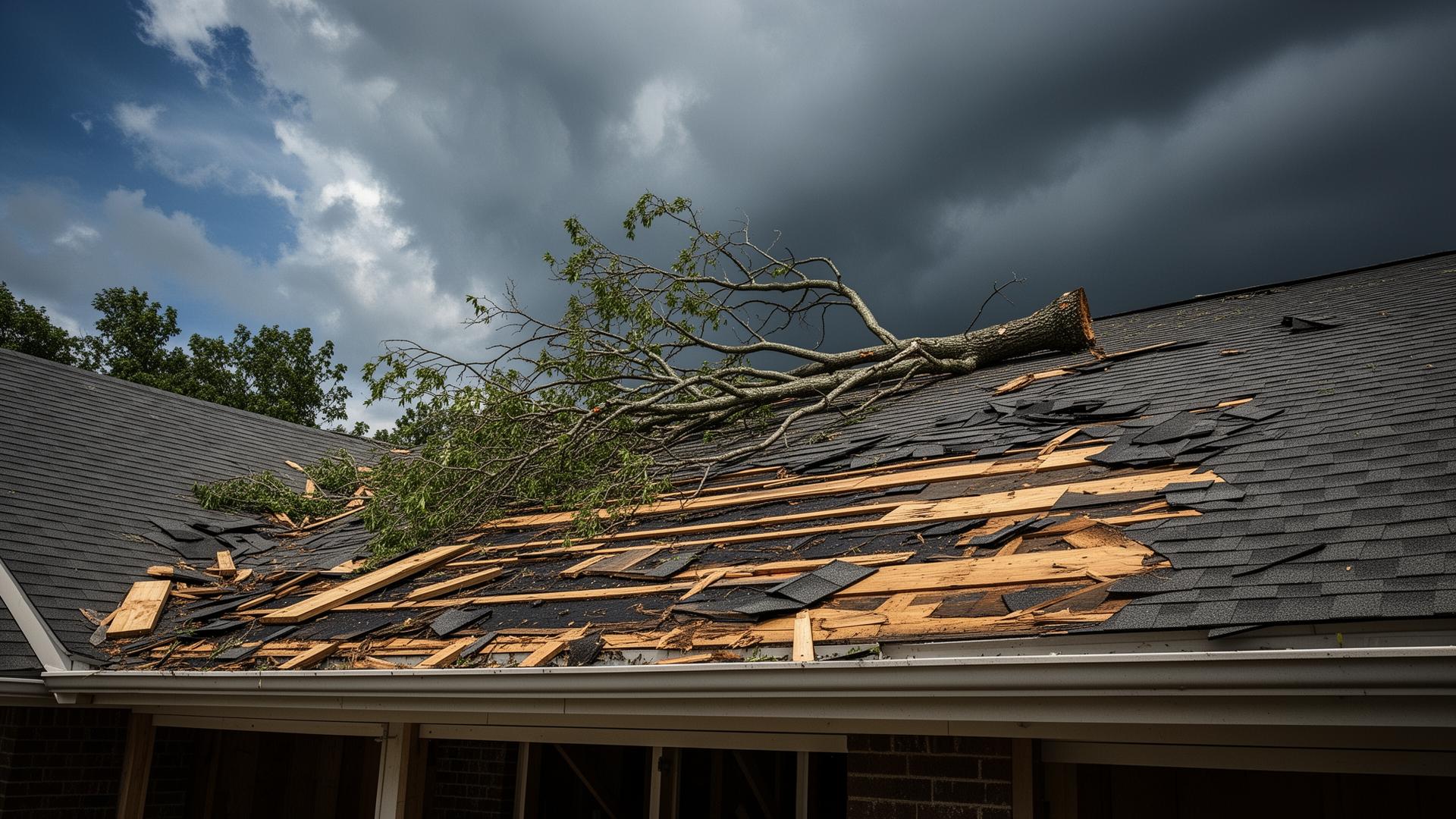
Storm damage creates urgent roofing situations requiring prompt assessment and action. Whether your area experienced hail, high winds, or severe weather, understanding how to evaluate damage, work with insurance, and select qualified contractors ensures proper restoration.
Immediate Post-Storm Actions
Safety and documentation are priorities immediately after severe weather.
Personal Safety First: Never climb on a storm-damaged roof. Structural integrity may be compromised, and wet surfaces increase fall risk. Conduct initial assessments from the ground.
Document Everything: Before any cleanup or temporary repairs, photograph all visible damage from multiple angles. Include wide shots showing context and close-ups showing detail. This documentation supports insurance claims.
Prevent Additional Damage: If the roof is compromised and rain is imminent, temporary tarping prevents additional water intrusion. Many policies require reasonable mitigation efforts.
Contact Your Insurance Company: Report the damage promptly. Most policies require timely notification. Ask about claim procedures, adjuster scheduling, and documentation requirements.
Types of Storm Damage
Different storms cause distinct damage patterns requiring specific expertise.
Hail Damage: Hail impacts create dents, cracks, and granule loss on shingles. Damage may be obvious or subtle depending on hail size and impact angle. Metal components like vents and flashings also sustain damage.
Wind Damage: High winds lift shingle edges, break seal strips, and tear shingles completely off roofs. Debris impact and falling trees cause additional damage. Wind damage often concentrates on roof edges and high points.
Rain and Water Damage: Heavy rain exploits any existing vulnerabilities. Standing water on flat roofs and ice dam backup on sloped roofs force water under roofing materials.
Tornado Damage: Tornado damage ranges from missing shingles to complete roof removal depending on proximity to the tornado path. Structural damage often accompanies severe tornado damage.
Lightning Damage: Direct lightning strikes can blow holes in roofs, ignite fires, or damage sheathing and framing. Even near strikes can affect electrical systems and cause shingle displacement.
Professional Damage Assessment
Qualified inspectors provide accurate damage evaluation.
Comprehensive Inspection: Professionals inspect the entire roof surface, not just visible damage areas. Hail damage, for example, may affect the entire roof even if initially noticed in one area.
Documentation Quality: Insurance-grade documentation includes detailed photographs, measurements, and written assessments. This documentation supports claim accuracy.
Material Identification: Accurate material identification ensures replacement estimates reflect actual roof specifications. Age estimation helps evaluate remaining life versus replacement decisions.
Beyond the Roof: Storm damage often extends to gutters, siding, windows, and other components. Comprehensive assessment captures all damage.
Insurance Claim Process
Navigating insurance claims effectively protects your interests.
Policy Review: Understand your coverage limits, deductibles, and any exclusions. Some policies have separate wind/hail deductibles or actual cash value versus replacement cost provisions.
Adjuster Visit: The insurance adjuster inspects damage and prepares an estimate. Being present during this inspection allows you to point out all damage areas.
Estimate Comparison: Compare the insurance estimate to contractor estimates. Significant discrepancies may require supplemental claims or negotiation.
Supplemental Claims: If contractor inspection reveals additional damage after the initial claim, supplemental claims can address the additional scope.
Payment Structures: Insurance typically pays in stages-an initial payment less deductible, with final payment after repairs are complete and documented.
Contractor Selection After Storms
Storm events attract both legitimate contractors and opportunistic operators.
Verify Credentials: Confirm licensing (where required), insurance coverage, and business establishment. Storm chasers often lack local presence and disappear after payment.
Get Multiple Estimates: Even with insurance involvement, multiple contractor evaluations ensure comprehensive damage capture.
Check References: Contact recent customers to verify work quality and reliability. Drive by completed projects when possible.
Written Contracts: Ensure comprehensive contracts covering scope, materials, timeline, payment terms, and warranty provisions. Never pay full cost upfront.
Local Preference: Established local contractors provide better warranty service and remain available if issues arise after completion.
Red Flags to Avoid
Recognize warning signs of problematic contractors.
Door-Knocking Solicitors: While some legitimate contractors canvas storm-affected areas, aggressive door-to-door solicitation often indicates storm chasers.
Pressure Tactics: Any contractor pressuring immediate signing or claiming limited-time offers deserves skepticism.
Insurance Manipulation: Contractors offering to waive deductibles, inflate damage, or otherwise manipulate insurance claims create legal liability for homeowners.
Large Upfront Payments: Requests for large deposits before work begins, especially if requested in cash, suggest potential problems.
No Local Address: Contractors without verifiable local addresses and business histories may be difficult to contact if problems arise.
Repair vs. Replacement Decisions
Storm damage doesn't always necessitate full replacement.
Repair May Be Appropriate: Localized damage to a relatively new roof in otherwise good condition may warrant repair rather than replacement.
Replacement Considerations: Extensive damage, aged roofing materials, or pre-existing conditions combined with storm damage often justify replacement.
Insurance Guidance: Insurance estimates typically specify repair or replacement scope based on damage extent and material condition.
Code Upgrades: If replacement triggers code compliance requirements, additional costs may be covered under ordinance coverage provisions.
Conclusion
Storm damage requires prompt, systematic response to protect your property and ensure proper restoration. Documenting damage thoroughly, understanding insurance processes, and selecting qualified contractors leads to successful outcomes. Take time to verify contractor credentials regardless of urgency pressure.
Find storm damage repair contractors in your area.