Tennessee Storm Damage: Roof Repair and Insurance Claims Guide
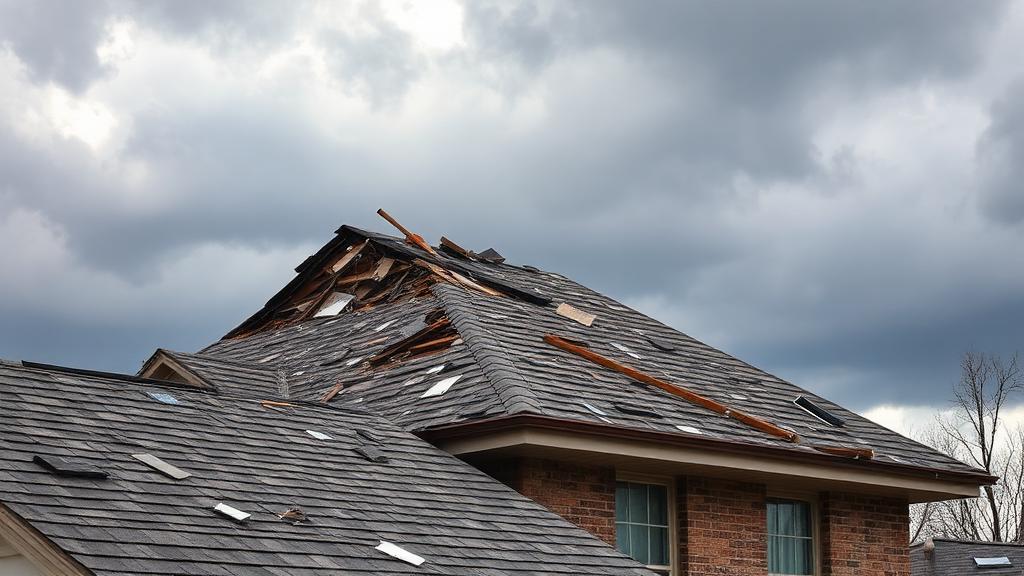
Tennessee experiences severe weather throughout the year, from spring thunderstorms and tornadoes to summer hail and occasional winter ice storms. Understanding storm damage identification, emergency response, and insurance processes helps homeowners recover quickly.
Tennessee Storm Patterns
Tornado Risk: Tennessee ranks among the top states for tornado activity. West and Middle Tennessee see the highest frequency. The spring months of March through May bring peak tornado season, with a secondary peak in November.
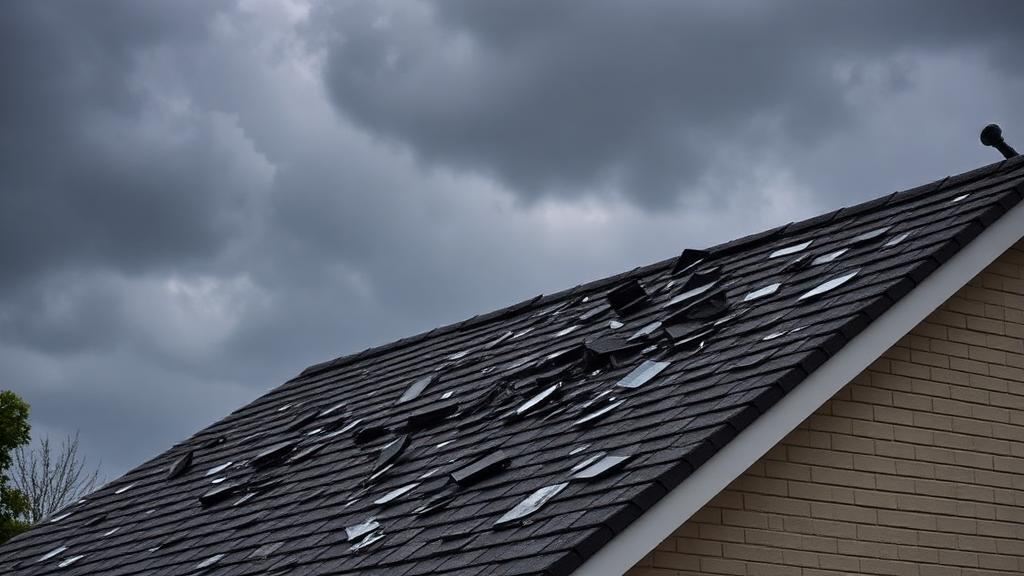
Hail Events: Severe thunderstorms frequently produce damaging hail. Hailstones cause granule loss, cracking, and bruising on shingles. Damage may not be immediately visible but reduces roof lifespan.
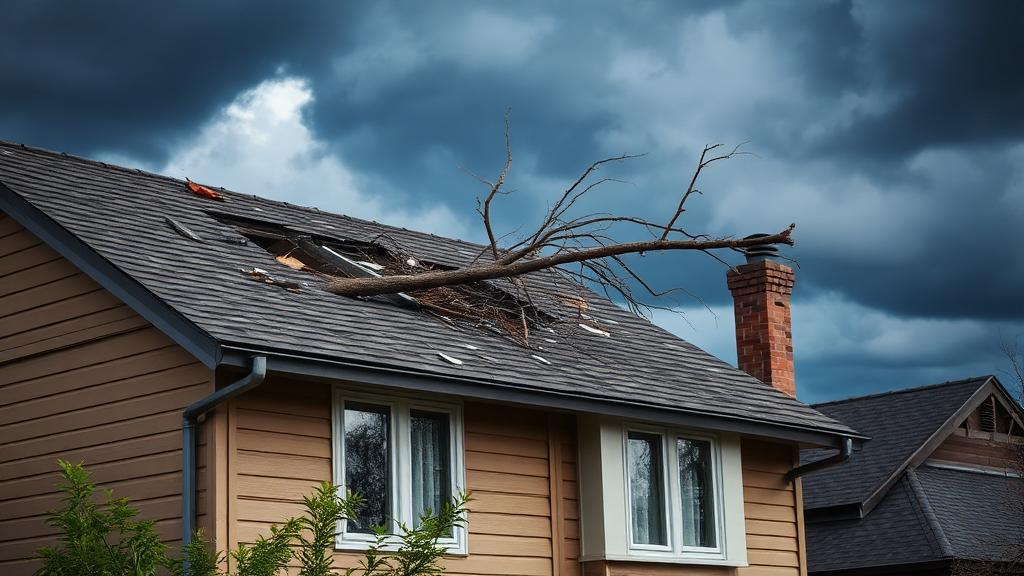
High Winds: Straight-line winds from thunderstorms can exceed 70 mph, lifting shingles and exposing underlayment. Wind damage often appears as lifted, creased, or missing shingles.
Ice Storms: While less frequent, ice storms cause significant damage through ice accumulation on roofs and falling tree limbs.
Immediate Storm Response
After a severe weather event:
Safety First: Do not access your roof if there is active weather or if the structure appears compromised. Watch for downed power lines.
Document Everything: Photograph visible damage from ground level. Note the date, time, and weather conditions. This documentation supports insurance claims.
Prevent Further Damage: If safe to do so, cover exposed areas with tarps. Most policies require homeowners to mitigate further damage.
Contact Insurance: Report damage promptly. Your policy likely has reporting deadlines.
Identifying Storm Damage
Hail Damage Signs: - Random pattern of damage across roof - Dents or dings in metal vents and flashing - Bruising or soft spots in shingles - Granule accumulation in gutters
Wind Damage Signs: - Missing shingles or shingle pieces - Lifted or creased shingles - Exposed underlayment or decking - Damage concentrated on one side
Insurance Claim Process
Tennessee homeowners should understand their coverage:
Coverage Types: Most policies cover wind and hail damage. Review your policy for deductible amounts and any coverage limitations.
Documentation: Provide photos, contractor estimates, and any pre-storm documentation. A recent inspection report strengthens your claim.
Adjuster Inspection: Your insurance company will send an adjuster. Consider having your contractor present to ensure all damage is identified.
Finding Reliable Contractors
After major storms, out-of-state contractors often flood affected areas. Protect yourself:
- Use established local contractors with verifiable references
- Verify insurance before any work begins
- Never pay in full upfront
- Get written contracts with detailed scope of work
Conclusion
Tennessee storm damage requires prompt response and proper documentation. Work with qualified local contractors and understand your insurance coverage.
Need storm damage assessment? Find Tennessee roofing contractors experienced with insurance claims.