Texas Hail Damage: Assessing and Repairing Your Roof After the Storm
Texas leads the nation in hail damage insurance claims. The Dallas-Fort Worth metroplex and Houston corridor experience multiple significant hail events annually. Knowing how to assess damage and respond properly protects your home and insurance claim.
Identifying Texas Hail Damage
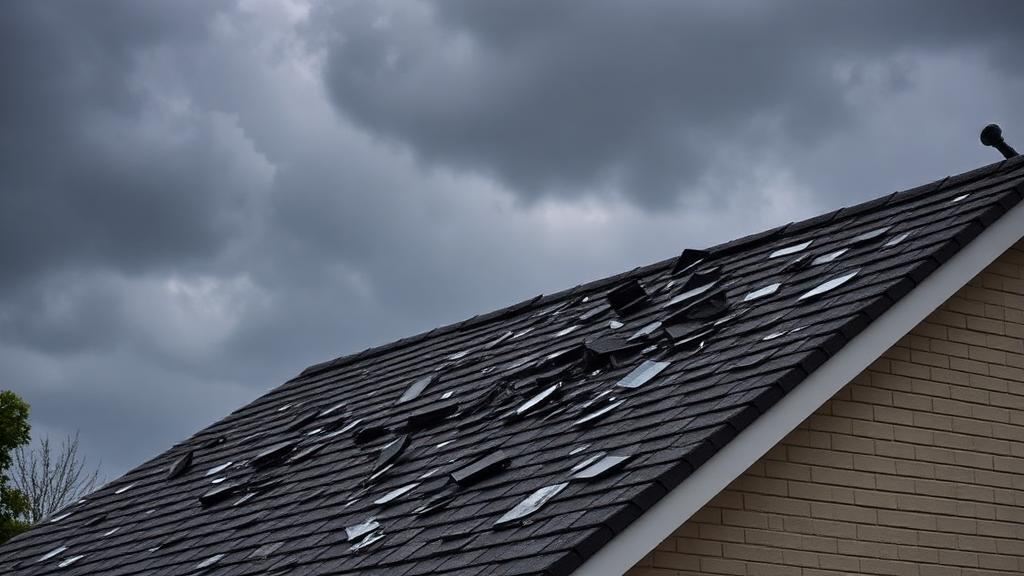
Shingle Damage Signs: Look for circular impacts, missing granules, exposed fiberglass mat, and cracked shingles.
Soft Metal Damage: Check gutters, vents, and flashing for dents—these indicate hail size and intensity.
Collateral Damage: Examine siding, window screens, and outdoor units for impact evidence.
Ground Clues: Excessive granules in gutters or at downspouts suggest shingle damage.
Immediate Post-Storm Steps
Safety First: Wait until storms pass completely before inspecting.
Ground-Level Assessment: Start by inspecting from the ground with binoculars.
Document Everything: Photograph all potential damage from multiple angles.
Professional Inspection: Schedule a licensed contractor inspection within days.
Getting Professional Inspections
Licensed Contractors: Use only Texas-registered contractors for inspections.
Free Inspections: Reputable contractors offer free post-storm inspections.
Detailed Reports: Request written damage assessments with photos.
Multiple Opinions: Consider 2-3 contractor inspections for major damage.
Understanding Damage Severity
Functional Damage: Damage affecting roof performance requires immediate attention.
Cosmetic Damage: Some policies exclude purely aesthetic damage.
Cumulative Effect: Multiple hail events compound damage over time.
Age Factors: Older roofs show damage more readily than new installations.
Texas Hail Seasons
Primary Season: March through May brings the most severe hail events.
Secondary Threats: Fall storms and summertime supercells also produce hail.
Storm Tracking: Monitor weather alerts during peak seasons.
Working with Insurance
Prompt Filing: File claims quickly after storm damage discovery.
Adjuster Coordination: Schedule adjuster visits when your contractor can attend.
Supplement Claims: File supplements for damage discovered during repairs.
Emergency Repairs
Tarping: Cover exposed areas to prevent water damage.
Document First: Photograph damage before making temporary repairs.
Keep Receipts: Emergency repair costs are typically reimbursable.
Repair vs. Replace Decisions
Damage Threshold: Extensive damage often warrants full replacement.
Insurance Coverage: Total replacement is common for significant hail damage.
Material Matching: Replacing sections may create appearance issues.
Future Protection: Consider impact-resistant materials for replacement.
Avoiding Storm Chasers
Verify Credentials: Check contractor licensing and insurance.
Local Presence: Choose established local contractors.
No Pressure: Legitimate contractors don't pressure for immediate decisions.
Written Contracts: Get detailed written agreements before work begins.
Conclusion
Texas hail damage requires prompt professional assessment and proper documentation. Work with established local contractors and file insurance claims promptly for best results.
Find Texas roofing contractors for hail damage assessment and repairs.