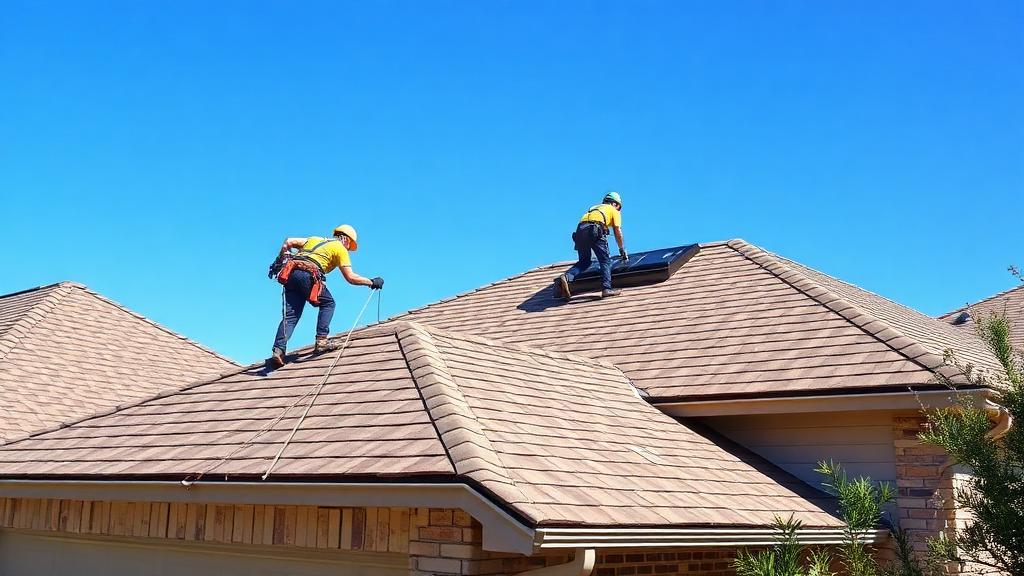
Texas Roofing Contractor Licensing: What Homeowners Must Know in 2025-2026
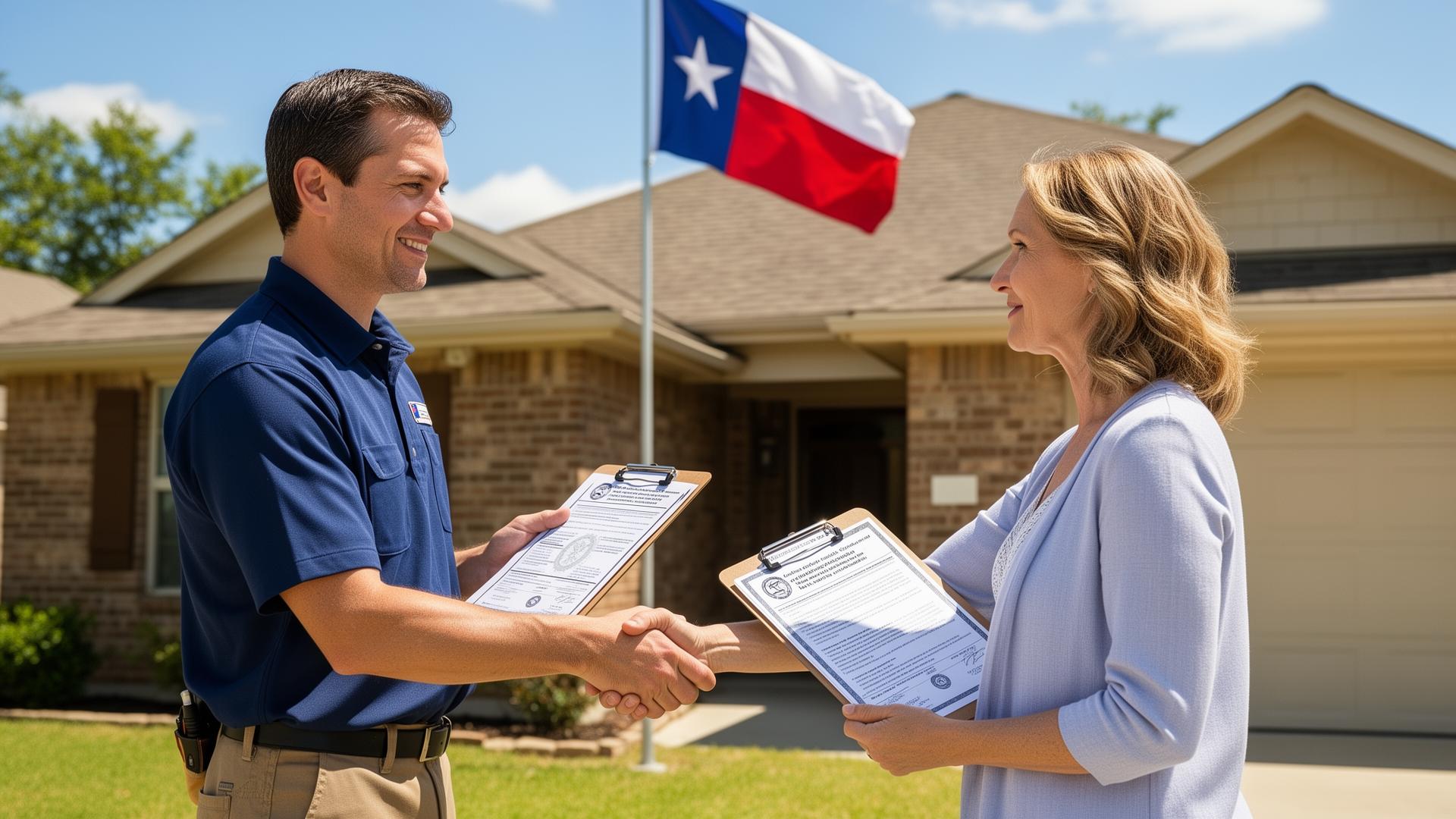
Texas stands out among large states for not requiring statewide roofing contractor licensing. This regulatory environment creates both opportunities and risks for homeowners. Understanding how roofing regulation works in Texas helps you protect yourself and make informed hiring decisions. This comprehensive guide explains the Texas licensing landscape, city-level requirements, and what credentials truly matter when selecting a roofing contractor.
Why Texas Has No Statewide Roofing License
Understanding the historical and political context helps explain the current situation in Texas.
The Texas Approach to Regulation:
Texas generally favors minimal business regulation, reflecting the states traditional emphasis on free enterprise. While some trades like electricians and plumbers require state licenses due to life-safety concerns, the Texas Legislature has not enacted similar requirements for roofing contractors.
Arguments Against Statewide Licensing:
Proponents of the current system argue that: - Market competition naturally weeds out poor contractors - Licensing creates barriers to entry that hurt small businesses - Homeowners can protect themselves through due diligence - Local control allows cities to address their specific needs
Arguments For Licensing:
Consumer advocates counter that: - Roofing work significantly impacts home safety and value - Homeowners lack expertise to evaluate contractor competence - Storm chaser problems would decrease with licensing requirements - Other states with licensing have fewer consumer complaints per capita
The debate continues, but for now, Texas homeowners must navigate a system that places the responsibility for contractor vetting largely on themselves.
City and County Licensing Requirements
While Texas has no statewide license, many cities and counties require local registration or licensing for roofing contractors.
Major Texas Cities With Contractor Requirements:
Houston:: The City of Houston requires contractors to register with the Houston Permitting Center. Roofing contractors must: - Complete registration application - Provide proof of liability insurance (minimum 300,000 dollars) - Pay annual registration fees - Comply with all building permit requirements
To verify a contractors Houston registration, contact the Houston Permitting Center at 832-394-8800 or search online.
Dallas:: Dallas requires general contractor licensing for roofing work. Requirements include: - Passing a business law and trade knowledge exam - Providing proof of insurance - Meeting financial responsibility requirements - Obtaining specific permits for each project
The Dallas Building Inspection Division maintains contractor records searchable online.
San Antonio:: San Antonios Development Services Department requires: - Contractor registration - Proof of workers compensation insurance (if more than 5 employees) - General liability insurance - Compliance with specific permit requirements for roofing work
Austin:: Austin requires trade registration for roofing contractors including: - Application through Austin Build + Connect portal - Proof of insurance - Agreement to permit requirements - Annual renewal
Fort Worth:: Fort Worth requires contractor registration with: - City registration certificate - Insurance documentation - Permit compliance for all roofing projects
Other Notable Requirements:
Many smaller Texas cities also require contractor registration. When getting quotes from contractors, ask specifically about their registration status in your jurisdiction.
What to Look For Instead of a State License
Without statewide licensing, Texas homeowners must focus on other credentials that indicate contractor quality and reliability.
Essential Credentials:
Insurance Coverage:: This is the single most important credential. Verify that contractors carry:
- General Liability Insurance - Minimum one million dollars per occurrence recommended. This protects your property from damage caused during the roofing project.
- Workers Compensation - While not required by Texas law for all employers, this protects you from liability if a worker is injured on your property. Ask specifically whether the contractor is covered.
- Commercial Auto Insurance - Covers damage from contractor vehicles on your property.
Request certificates of insurance directly from the insurance company. Do not rely on copies provided by the contractor, as these may be altered or expired.
Manufacturer Certifications:
Major roofing material manufacturers offer certification programs that require training, insurance verification, and quality standards:
- GAF Master Elite - Only 3% of roofing contractors nationwide achieve this status. Requires extensive training, insurance verification, and proven track record.
- CertainTeed SELECT ShingleMaster - Requires company training, certification exams, and adherence to installation standards.
- Owens Corning Preferred Contractor - Demonstrates expertise with Owens Corning products and ability to offer enhanced warranties.
- Atlas Pro Plus - Certified for Atlas roofing products with access to enhanced warranty programs.
These certifications matter because: - They require verified insurance - Training ensures proper installation techniques - Certified contractors can offer enhanced warranties - Certification can be revoked for poor performance
Trade Association Memberships:
Professional associations often require standards and ethics commitments:
- National Roofing Contractors Association (NRCA) - National trade organization with educational requirements and ethics standards
- Roofing Contractors Association of Texas (RCAT) - Texas-specific organization promoting industry standards
- Better Business Bureau Accreditation - Requires commitment to dispute resolution and ethical practices
- Local Chamber of Commerce - Indicates established local business presence
Business History and References:
A contractors track record matters tremendously:
- Years in business - Look for at least 5 years, preferably 10+ under the same ownership
- Local references - Request 5+ references from your area within the past year
- Google and BBB reviews - Check multiple review sources for patterns
- Physical business address - Verify they have established local presence
- Financial stability - Ask about their relationship with suppliers and subcontractors
The Storm Chaser Problem
Texas lack of statewide licensing contributes to a persistent storm chaser problem, especially following severe weather events.
What Are Storm Chasers?
Storm chasers are roofing companies that follow severe weather events, targeting damaged properties with aggressive sales tactics. They typically:
- Have no permanent local presence
- Appear immediately after storms, often going door-to-door
- Pressure quick decisions before homeowners can compare options
- May complete substandard work and leave before problems emerge
- Often file inflated insurance claims to maximize profits
Red Flags Indicating Storm Chasers:
- Unsolicited contact immediately after a storm
- Out-of-state license plates on vehicles
- No local physical address (just a P.O. Box or hotel address)
- Pressure to sign contracts quickly
- Requests for large upfront payments
- Offers to waive your deductible (illegal in Texas)
- Inability to provide local references
- Generic business cards without specific address information
Protecting Yourself:
After severe weather, resist pressure to make immediate decisions. Instead:
- Document damage yourself with photos and notes
- File your insurance claim before committing to any contractor
- Get at least three estimates from established local contractors
- Verify all credentials independently
- Check contractors history through BBB and online reviews
- Never sign contracts under pressure
- Read all documents carefully before signing
Understanding Building Permits
Even without statewide contractor licensing, Texas requires building permits for most roofing work through local jurisdictions.
When Permits Are Required:
Most Texas cities require permits for: - Complete roof replacement - Structural repairs - Changes to roofing materials - Adding or modifying skylights - Installing new ventilation systems
Minor repairs like replacing a few shingles typically do not require permits, though regulations vary by jurisdiction.
Why Permits Matter:
Permits protect homeowners by: - Ensuring work meets building codes - Requiring inspections of completed work - Creating official records of improvements - Validating work for insurance purposes - Confirming contractor legitimacy (only registered contractors can pull permits in many cities)
Red Flags Around Permits:
Be concerned if a contractor: - Suggests skipping permits to save money - Asks you to pull the permit yourself - Claims permits are not required when they are - Cannot explain the permit process
Unpermitted work can void insurance coverage, create problems when selling your home, and may need to be torn out and redone properly.
Verifying Contractor Credentials
With multiple credentials to check, use this systematic approach to verify potential contractors.
Step-by-Step Verification Process:
Step 1: Local Registration Contact your citys building or permitting department to verify the contractor is properly registered if required.
Step 2: Insurance Verification Request the insurance companys contact information and call directly to verify: - Policy is current and active - Coverage amounts meet your requirements - Roofing work is covered under the policy - Workers compensation is in place (if claimed)
Step 3: Manufacturer Certifications Visit manufacturer websites to verify claimed certifications: - GAF: gaf.com/roofing/residential/contractors - CertainTeed: certainteed.com/find-a-contractor - Owens Corning: owenscorning.com/roofing/find-a-contractor
Step 4: Reference Checks Contact provided references and ask: - Was the project completed as promised? - Were there any unexpected costs? - How did they handle any problems? - Would you hire them again? - Can I see the completed work?
Step 5: Online Research Check multiple sources: - Google Business Profile reviews - Better Business Bureau ratings and complaints - Yelp and other review platforms - Social media presence and engagement - Company website for professionalism
Step 6: In-Person Verification Visit their physical business location if possible to confirm: - Established office or warehouse presence - Branded vehicles and equipment - Professional business operation
Contract Essentials for Texas Homeowners
A comprehensive contract is essential protection when statewide licensing is absent.
Required Contract Elements:
- Complete Business Information
- - Legal company name
- - Physical address (not P.O. Box)
- - Phone numbers and email
- - Owner/principal names
- - Any applicable registration numbers
- Detailed Scope of Work
- - Specific materials (brand, model, color)
- - Installation methods
- - Areas to be addressed
- - Cleanup and disposal procedures
- - Timeline and milestones
- Pricing and Payment Terms
- - Total project cost
- - Payment schedule tied to milestones
- - Deposit amount (limit to 10-15%)
- - How change orders will be handled
- - Final payment conditions
- Insurance Documentation
- - Certificates attached to contract
- - Agreement to maintain coverage throughout project
- - Workers compensation confirmation
- Warranty Information
- - Workmanship warranty terms and duration
- - Manufacturer warranty information
- - Procedures for warranty claims
- - Transferability if you sell
- Permit Responsibilities
- - Confirmation contractor will obtain permits
- - Schedule for inspections
- - Responsibility for permit fees
- Lien Waiver Provisions
- - Contractors agreement to provide lien waivers
- - Protection from subcontractor and supplier liens
- Dispute Resolution
- - Process for addressing disagreements
- - Mediation before litigation
- - Applicable jurisdiction and venue
Legal Protections Available
Texas homeowners do have legal protections even without a licensing board to regulate contractors.
Texas Deceptive Trade Practices Act:
The DTPA provides strong consumer protections including: - Prohibition on false, misleading, or deceptive acts - Up to three times actual damages for knowing violations - Recovery of attorney fees - Protections against unconscionable actions
This law applies to roofing contractors and provides remedies when contractors engage in deceptive practices.
Mechanics Lien Rights:
Texas law allows contractors and suppliers to file liens against properties for unpaid work. Protect yourself by: - Using written contracts with payment terms - Obtaining lien waivers with each payment - Verifying that subcontractors and suppliers are paid
Small Claims Court:
For disputes under 20,000 dollars, Texas small claims courts offer accessible justice without requiring an attorney. Larger disputes may require district court litigation.
Contract Enforcement:
Well-drafted contracts provide enforceable rights. Ensure your contract includes: - Clear performance standards - Remedies for non-performance - Dispute resolution procedures - Documentation requirements
Conclusion
Texas unique approach to roofing contractor regulation places significant responsibility on homeowners to protect themselves. While this requires more due diligence than in licensed states, understanding what to look for enables you to identify qualified, reliable contractors.
Focus your verification efforts on: - Current, adequate insurance coverage - Local registration where required - Manufacturer certifications - Strong reference checks and reviews - Comprehensive written contracts
By taking these steps, you can safely navigate the Texas roofing market and find contractors who will deliver quality work regardless of licensing requirements.
Ready to find qualified, vetted roofing contractors in Texas? Browse our directory to connect with established professionals in Houston, Dallas, Austin, San Antonio, and cities across the state.