Tree Damage to Your Roof: Complete Insurance Claim Guide for Homeowners
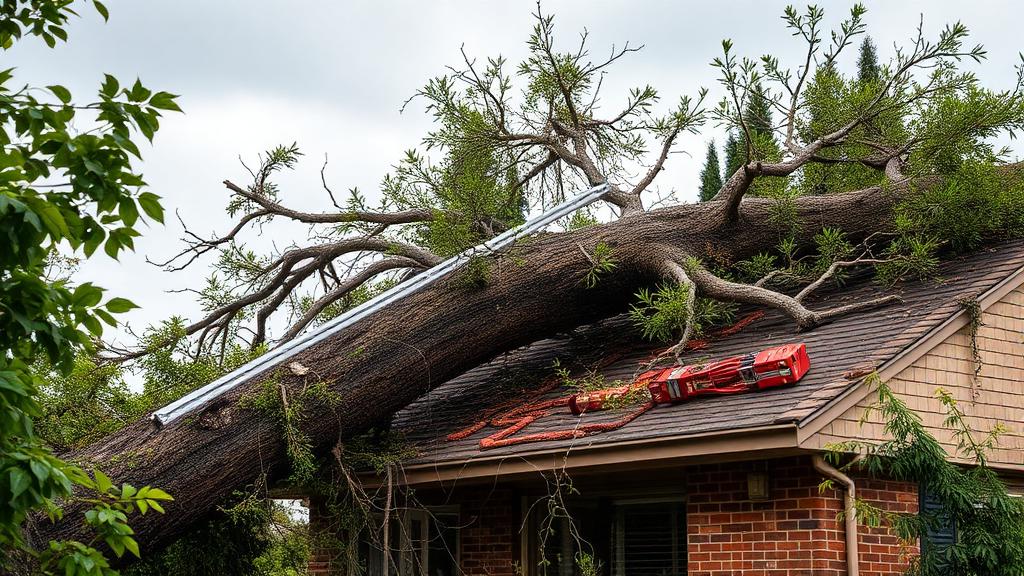
When a tree falls on your roof, the damage can range from minor shingle displacement to catastrophic structural failure. Understanding how homeowner's insurance covers tree damage—and how to navigate the claims process effectively—helps ensure you receive proper compensation for repairs. This comprehensive guide covers everything homeowners need to know about tree damage insurance claims.
Understanding Tree Damage Coverage
Standard homeowner's insurance policies cover tree damage to your home under specific circumstances. Understanding what's covered and what's excluded helps you file effective claims.
What's Typically Covered:
Tree damage to your roof is generally covered when caused by: - Wind storms (high winds topple tree) - Lightning strikes (lightning hits tree causing fall) - Weight of ice, snow, or sleet (weather stress causes failure) - Fire or explosion - Falling objects (even healthy tree toppled by storm) - Vandalism
What's Usually NOT Covered:
- Tree falls due to disease or decay you knew about
- Tree falls with no apparent covered cause
- Damage from trees on neighboring property (complicated)
- Flood-related damage to trees
- Earthquake-related tree damage
The "Dead Tree" Exception:
Insurance companies may deny claims if: - Tree was clearly dead or diseased - You were previously warned about tree condition - Reasonable maintenance would have prevented the fall - Tree failure was predictable
Immediate Response to Tree on Roof
When a tree impacts your roof, safety and proper response protect both people and your claim.
Safety First Protocol:
- Evacuate if Necessary - If structural damage is severe, leave immediately
- Avoid Damaged Areas - Don't enter rooms below impact zone
- Watch for Utilities - Check for downed power lines or gas leaks
- Call Emergency Services - Contact fire department for severe structural damage
Initial Documentation:
Once safe, document extensively: - Overall scene photographs from multiple angles - Close-up images of roof damage - Interior damage if visible - The fallen tree and its origin location - Weather conditions (if still stormy, note this)
Emergency Mitigation:
Insurance policies require reasonable protective measures: - Arrange emergency tarping over exposed areas - Board up any accessible openings - Remove belongings from water-threatened areas - Keep all receipts for emergency services
Filing Your Tree Damage Claim
Prompt, thorough claim filing initiates the recovery process and documents the storm-related nature of damage.
When to File:
File immediately after ensuring safety and documenting damage. Prompt filing: - Establishes storm-related timeline - Begins adjuster scheduling - Documents emergency expenses - Starts the settlement process
Information to Provide:
- Policy number and contact details
- Date and time of incident
- Description of what happened
- Extent of visible damage
- Emergency measures taken
- Whether emergency services responded
Documentation to Gather:
Compile all evidence including: - Photographs and videos of damage - Weather reports from the incident - Emergency service reports - Emergency contractor receipts - Previous tree inspection records if available - Neighbor statements if witnesses
What Tree Damage Insurance Covers
Tree damage claims can include multiple coverage categories. Understanding each helps ensure complete compensation.
Dwelling Coverage (Structure):
Covers repairs to your home including: - Roof replacement or repair - Structural damage to framing - Water damage from exposed areas - Gutters, soffits, fascia damage - Interior ceiling and wall repairs
Other Structures Coverage:
Separate coverage for: - Detached garages - Fences - Sheds - Guest houses
Personal Property Coverage:
Damaged belongings inside your home: - Furniture and electronics - Clothing and linens - Personal items
Debris Removal:
Most policies include debris removal coverage: - Removal of tree from structure - Cleanup of debris from property - Typically limited amounts ($500-$1,000) - May have separate limit from dwelling coverage
Additional Living Expenses:
If your home is uninhabitable: - Hotel or temporary housing costs - Restaurant meals exceeding normal food costs - Other displacement expenses
Tree Removal Coverage Details
Understanding tree removal coverage helps you manage expectations and avoid out-of-pocket surprises.
What's Covered:
| Situation | Typically Covered |
|---|---|
| Tree on roof/structure | Yes - removal included |
| Tree on fence | Yes - under other structures |
| Tree on driveway blocking access | Often covered |
| Tree in yard not on structure | Usually NOT covered |
| Tree removal only (no damage) | Usually NOT covered |
Removal Cost Factors:
Tree removal costs vary based on: - Tree size and weight - Accessibility challenges - Equipment required (cranes, etc.) - Amount tangled with structure - Debris disposal requirements
Coverage Limits:
Check your policy for: - Per-tree removal limits - Aggregate debris removal limits - Separate tree removal endorsements - Additional coverage available
Working with Adjusters on Tree Claims
Tree damage claims require careful adjuster coordination due to their complexity.
What Adjusters Assess:
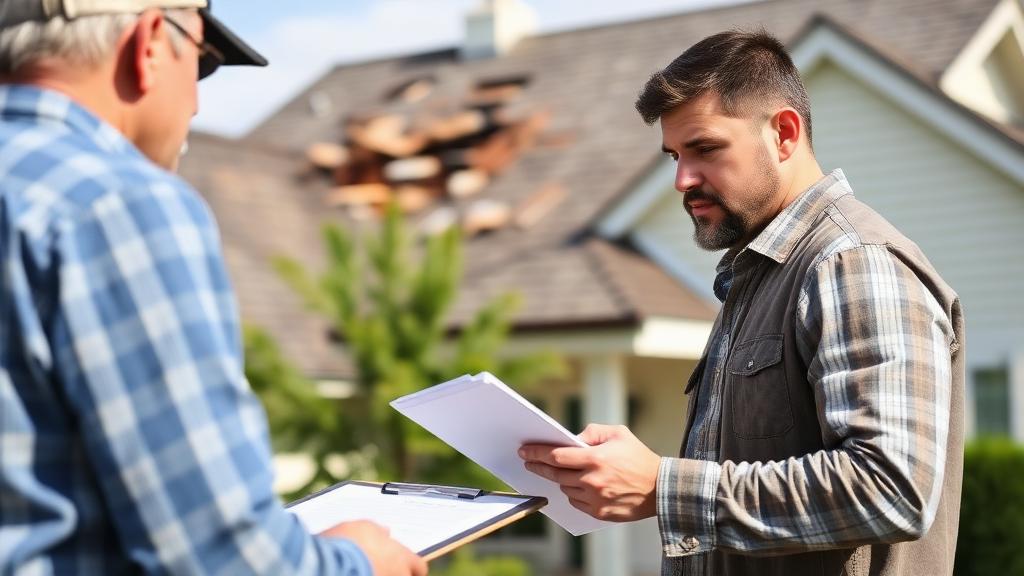
Exterior Evaluation:: - Point of impact location - Extent of structural damage - Roofing material damage - Related component damage (gutters, etc.) - Tree removal requirements
Interior Evaluation:: - Water intrusion damage - Structural integrity - Ceiling and wall damage - Content damage
Cause Investigation:: - Was tree healthy or diseased? - What caused the fall (wind, ice, etc.)? - Was damage preventable? - Were there prior warnings?
During the Inspection:
- Be present if possible
- Point out all damage areas
- Share your documentation
- Provide any tree history information
- Ask questions about their findings
Dealing with Complex Tree Damage Scenarios
Some tree damage situations involve special considerations that affect coverage and claims.
Neighbor's Tree Falls on Your Roof:
This common situation often confuses homeowners: - Generally, YOUR insurance covers damage to YOUR property - Regardless of where tree originated - You typically cannot sue neighbor unless negligence proven - Your policy covers repair; their policy covers their property
Exception:: If neighbor was previously notified of dangerous tree condition, liability may shift.
Your Tree Falls on Neighbor's Property:
- Their insurance typically covers their damage
- Your liability coverage MAY apply if you were negligent
- Document any prior tree concerns
- Consult your insurer if liability questions arise
Tree Hits Multiple Properties:
If one tree damages multiple homes: - Each homeowner files with their own insurer - Removal costs may be shared proportionally - Coordinate with neighbors on documentation - Consider joint tree removal arrangements
Supplemental Claims for Tree Damage
Tree damage often reveals additional problems requiring supplemental claims.
Common Supplemental Needs:
- Structural damage hidden by tree
- Water damage developing after initial tarping
- Interior damage appearing later
- Foundation concerns from impact
- Additional affected areas found during repair
Filing Supplements:
When additional damage is discovered: 1. Stop work and document new damage 2. Contact insurance immediately 3. Request additional adjuster visit if significant 4. Provide contractor documentation 5. Await supplemental settlement
Preventing Future Tree Damage
Once your claim is resolved, consider steps to reduce future tree risk.
Tree Maintenance:
- Regular arborist inspections
- Removal of dead or dying branches
- Assessment of tree health and stability
- Proper trimming to reduce wind resistance
Strategic Tree Removal:
Consider removing trees that: - Lean toward structures - Show signs of disease - Have damaged root systems - Are located dangerously close to home
Documentation:
Maintain records showing: - Regular tree maintenance - Professional arborist assessments - Actions taken to address concerns - Timeline of tree care activities
Insurance Policy Improvements
After a tree claim, consider coverage enhancements:
Additional Debris Removal:
- Higher limits for tree removal
- Coverage for non-structure tree removal
- Reduced out-of-pocket for cleanup
Enhanced Coverage Options:
- Lower deductibles
- Replacement cost coverage
- Enhanced other structures coverage
- Additional living expense increases
Premium Impact:
Understand how claims affect your policy: - Tree claims may increase premiums - Multiple claims affect rates more - Some companies offer claim forgiveness - Shopping may find better rates after claims
Conclusion
Tree damage to your roof creates stressful situations requiring careful navigation of insurance claims. By understanding coverage provisions, documenting thoroughly, and working effectively with adjusters, you can recover fair compensation for repairs while protecting your home from further damage.
Remember that most tree damage from storms is covered, but proper documentation and prompt reporting strengthen your claim. Don't hesitate to seek professional help from contractors or public adjusters if your claim faces challenges.
Find qualified contractors who can assess tree damage to your roof and help navigate your insurance claim.