Virginia Storm Damage: Protecting Your Roof from Hurricanes and Severe Weather
Virginia experiences hurricanes, severe thunderstorms, and occasional tornadoes. Understanding storm preparation helps homeowners protect their properties and navigate recovery.
Virginia Storm Patterns
Hurricane Season: June through November brings hurricane risk, particularly to coastal Virginia. Both direct impacts and weakened tropical systems affect the state.
Severe Thunderstorms: Spring and summer bring frequent severe weather including hail and damaging winds.
Tornadoes: Virginia averages 10-15 tornadoes annually. Outer bands of tropical systems sometimes spawn tornadoes.
Winter Storms: Mountain regions experience significant snowfall. Occasional ice storms affect the entire state.
Hurricane Preparation
Wind-Resistant Materials: Coastal Virginia building codes require enhanced wind resistance. Choose shingles rated for 110-130 mph winds.
Impact Resistance: Consider impact-resistant materials for areas with frequent hail or hurricane debris.
Proper Installation: Enhanced nailing patterns, starter course adhesion, and hip/ridge treatments improve wind performance.
Regular Maintenance: Address loose shingles, damaged flashing, and worn sealants before hurricane season.
Pre-Storm Preparation
Documentation: Photograph roof condition before storm season. This documentation supports insurance claims.
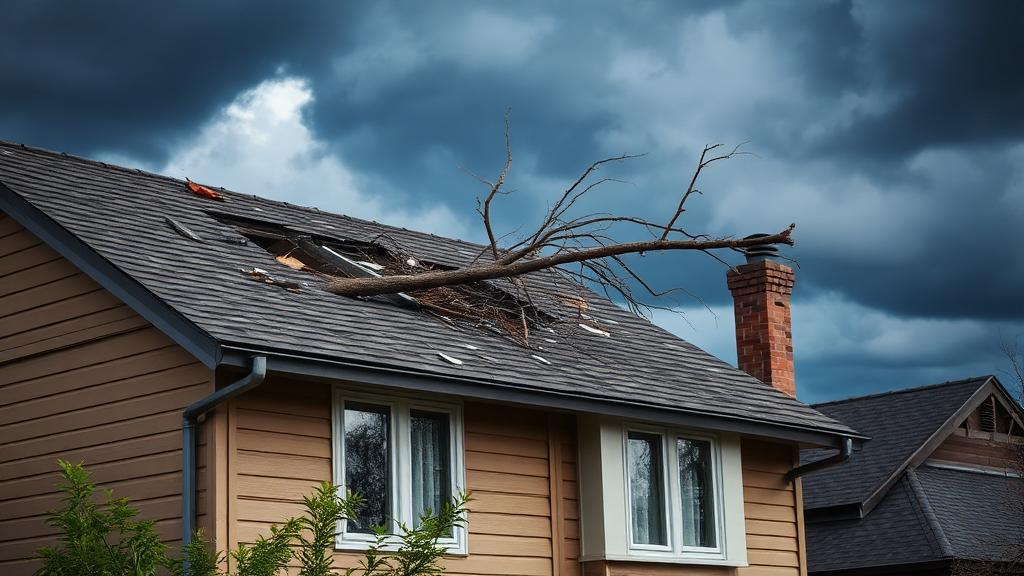
Tree Management: Trim overhanging branches. Remove dead trees that could fall on structures.
Loose Items: Secure or store items that could become wind-borne projectiles.
Emergency Supplies: Keep tarps, plywood, and basic supplies ready for emergency protection.
Post-Storm Response
Safety First: Do not access roofs during or immediately after storms. Watch for downed power lines and structural damage.
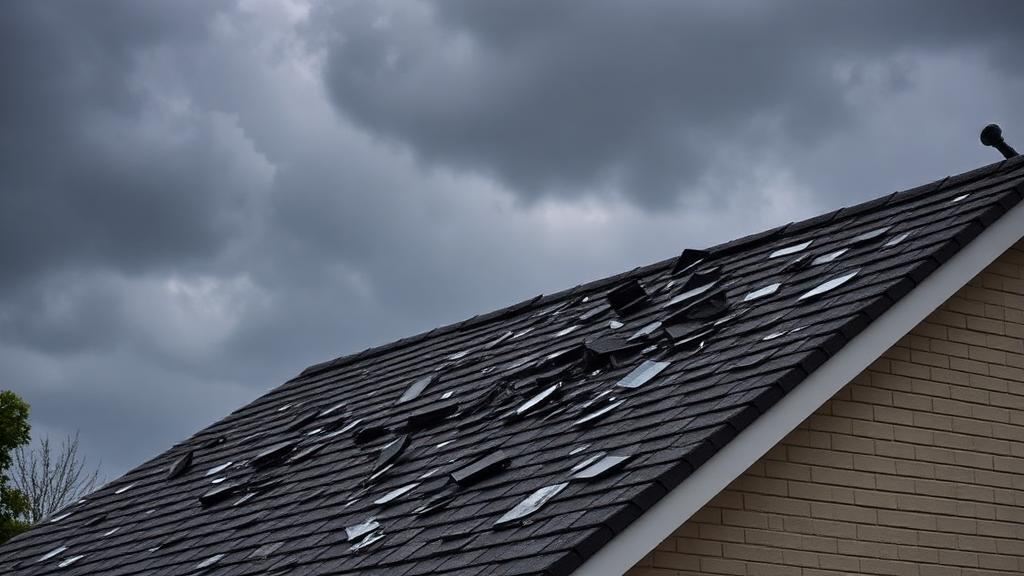
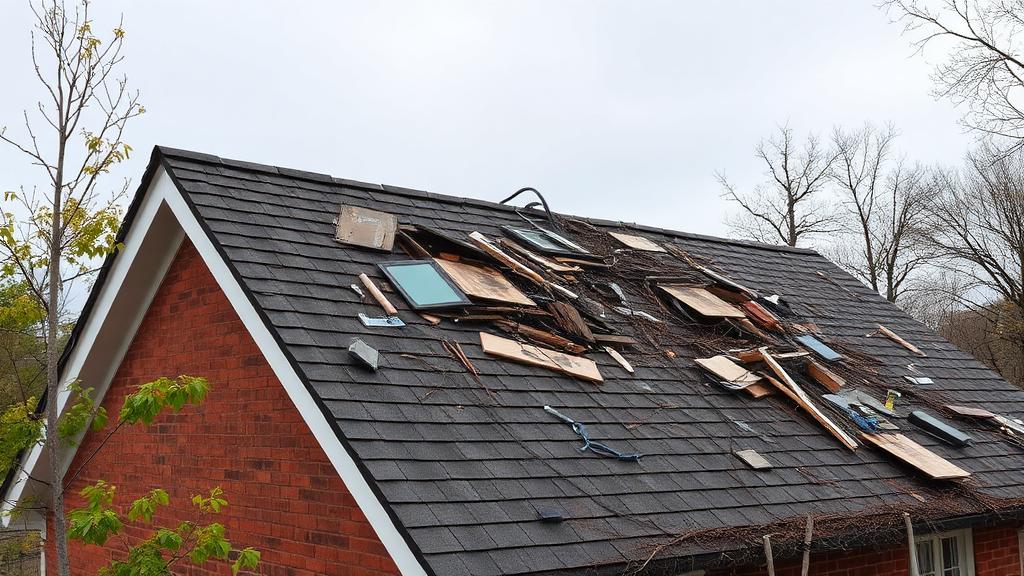
Document Damage: Photograph all damage before any repairs. Note storm date and conditions.
Prevent Further Damage: Cover exposed areas with tarps. Insurance requires mitigation of additional damage.
Report to Insurance: File claims promptly. Most policies have reporting timeframes.
Insurance Considerations
Wind Deductibles: Many Virginia policies have separate wind/hurricane deductibles, often percentage-based.
Coverage Review: Understand what your policy covers and any exclusions or limitations.
Named Storm Deductibles: Some policies have higher deductibles for named hurricanes.
Flood Insurance: Standard policies do not cover flooding. Separate flood insurance is essential for coastal and flood-prone areas.
Contractor Selection After Storms
Protect yourself from storm chasers:
Choose Local: Established local contractors have reputations to protect.
Verify Licensing: Confirm active Virginia DPOR license.
Check Insurance: Verify current liability and workers compensation.
Written Contracts: Require detailed contracts before work begins.
Reasonable Deposits: Never pay in full upfront.
Conclusion
Virginia storm damage prevention requires appropriate materials, proper maintenance, and preparation. Work with qualified local contractors for best results.
Need storm damage assessment? Find Virginia roofing contractors experienced with storm recovery.