Working With Insurance Adjusters After Storm Damage: Expert Strategies

The insurance adjuster's assessment largely determines how much compensation you receive for storm damage repairs. Understanding how adjusters work, what they evaluate, and how to effectively present your claim significantly improves outcomes. This comprehensive guide prepares you to work productively with insurance adjusters and secure fair settlements for your storm damage repairs.
Understanding the Adjuster's Role
Insurance adjusters serve as the company's eyes on your damage, and understanding their position helps you work with them effectively.
Types of Adjusters:
| Adjuster Type | Works For | Your Consideration |
|---|---|---|
| Staff adjuster | Insurance company employee | Company loyalty, standard procedures |
| Independent adjuster | Contracted by insurance company | Variable experience, may handle multiple companies |
| Public adjuster | You hire them | Your advocate, typically works for percentage |
| Contractor estimate | Roofing company | May be biased toward larger scope |
Adjuster Objectives:
Staff and independent adjusters are tasked with: - Accurately assessing damage - Determining cause (covered vs. non-covered) - Estimating repair costs using company software - Identifying pre-existing conditions - Processing claims efficiently
What Adjusters Look For:
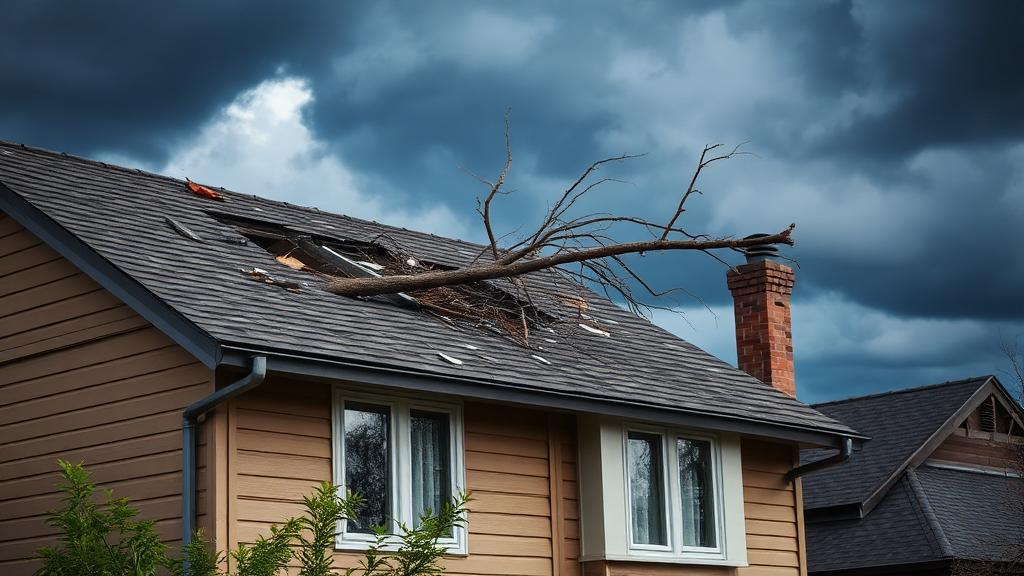
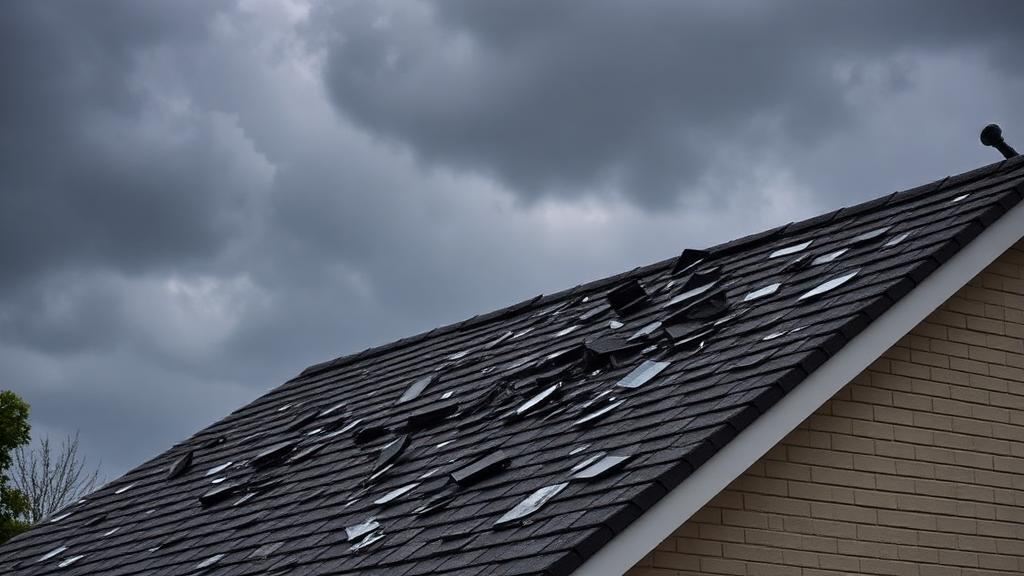
During inspection, adjusters examine: - Physical evidence of storm damage - Damage patterns consistent with reported storm - Pre-existing conditions vs. new damage - Damage beyond roofing (siding, gutters, etc.) - Code compliance requirements - Repair vs. replacement criteria
Pre-Inspection Preparation
Thorough preparation before the adjuster arrives strengthens your claim.
Documentation Assembly:
Gather before the inspection:
□ Your damage documentation photos and videos □ Written damage inventory with locations □ Weather service data confirming storm □ Prior roof inspection or maintenance records □ Original roof installation documentation □ Previous claim history for context □ Your policy documents
Property Preparation:
□ Ensure safe access to all damaged areas □ Clear paths to attic access points □ Have ladder available if you own one □ Mark or note non-obvious damage locations □ Don't clean up debris before inspection □ Preserve samples of damaged materials
Personal Preparation:
□ Review your policy coverages and limits □ Understand your deductible type and amount □ Know your policy's claim timeline requirements □ Prepare questions you want answered □ Block adequate time (inspections can take 1-3 hours) □ Arrange for your contractor to attend if possible
During the Inspection
How you participate during the adjuster's inspection affects outcomes.
Be Present and Engaged:
Your presence matters because: - You can point out all damage you've found - You can answer questions about timeline and discovery - You can correct misunderstandings immediately - You observe what the adjuster documents - You can ask questions about the process
Effective Communication:
During inspection: - Be factual and calm - Share your documentation - Point out items they might miss - Ask about anything unclear - Take notes on their observations - Avoid confrontation or arguments
Key Areas to Emphasize:
Ensure the adjuster examines: - All roof slopes, not just easily visible ones - Roof penetrations (vents, skylights, chimney) - Flashing at all transitions - Valleys and hip/ridge lines - Gutters and downspouts - Attic for interior damage - Collateral damage (siding, windows, etc.)
What NOT to Do:
Avoid behaviors that hurt your claim: - Don't exaggerate or misrepresent damage - Don't hide pre-existing conditions - Don't be hostile or argumentative - Don't pressure for immediate decisions - Don't sign anything you don't understand - Don't prevent full inspection access
Understanding the Assessment
Adjusters use standardized methods and software to create assessments.
Estimating Software:
Most adjusters use: - Xactimate or similar industry software - Standardized pricing databases - Local labor rate calculations - Material cost databases
Assessment Components:
Typical assessments include:
| Component | What It Covers |
|---|---|
| Scope of work | What repairs are approved |
| Material costs | Roofing, underlayment, flashing, etc. |
| Labor costs | Installation, removal, disposal |
| Overhead & profit | Contractor's business costs |
| Code upgrades | Required by current building codes |
Understanding Depreciation:
Many policies apply depreciation: - Actual Cash Value (ACV): Initial payment minus depreciation - Replacement Cost Value (RCV): Full replacement cost, often paid in stages - Recoverable depreciation: Depreciation recovered after repairs complete
Verify which applies to your claim and how recoverable depreciation works.
Reviewing the Initial Estimate
When you receive the adjuster's estimate, review it carefully.
What to Check:
□ All damaged areas included □ Material specifications match needed repairs □ Quantities appear accurate □ Labor costs seem reasonable □ Overhead and profit included (usually 20% total) □ Code upgrade items included if applicable □ Proper square footage calculations
Common Estimate Deficiencies:
Watch for: - Missing items you documented - Lower quality materials specified than installed - Inadequate labor rates for your area - Missing overhead and profit - Omitted code compliance requirements - Ignored secondary damage (attic, interior)
Getting Contractor Review:
Have your roofing contractor review: - Scope matches what's actually damaged - Material specs are appropriate - Quantities are accurate - Pricing reflects actual local costs - Any items contractor would add
Negotiating Fair Settlements
When the initial assessment seems inadequate, negotiation is appropriate.
Valid Reasons to Negotiate:
- Damage the adjuster missed
- Incorrect material specifications
- Underestimated quantities
- Below-market labor rates
- Missing overhead and profit
- Omitted code requirements
- Additional damage discovered
The Supplement Process:
Most companies have formal supplement procedures:
- Document the discrepancy - Photos, measurements, explanations
- Submit supplement request - Written request with supporting documentation
- Request re-inspection - If significant items were missed
- Provide contractor estimate - Detailed comparison to adjuster's scope
- Follow up persistently - Track request status
Effective Negotiation Strategies:
| Strategy | How to Implement |
|---|---|
| Be fact-based | Support every request with documentation |
| Know your policy | Reference specific coverage provisions |
| Use industry standards | Cite manufacturer requirements, building codes |
| Be persistent | Follow up regularly on pending items |
| Escalate appropriately | Request supervisor if adjuster is unresponsive |
What NOT to Do:
- Don't threaten litigation prematurely
- Don't make unsupported claims
- Don't become abusive or personal
- Don't ignore reasonable explanations
- Don't inflate damage for negotiating leverage
When to Seek Professional Help
Some situations benefit from professional representation.
Consider a Public Adjuster When:
- Damage is extensive (typically $15,000+)
- Insurance company is unresponsive
- You disagree significantly with assessment
- Claim has been denied
- You lack time or expertise for negotiation
- Initial settlement is significantly below repair cost
Public Adjuster Considerations:
| Factor | What to Know |
|---|---|
| Compensation | Typically 10-15% of settlement |
| Timing | Best to hire early in process |
| Expertise | Should have relevant certifications |
| Value | Most valuable for complex claims |
Consider an Attorney When:
- Insurance company acts in bad faith
- Valid claim has been fully denied
- Company is delaying unreasonably
- Dispute involves significant money
- Policy interpretation is contested
Special Situations
Some claims involve unique considerations.
Multiple Storm Events:
When multiple storms occur: - Each storm may be separate claim - Separate deductibles may apply - Document which damage from which storm - Report each event appropriately
Pre-Existing Damage:
If prior damage exists: - Be honest about pre-existing conditions - Provide context and documentation - Storm damage to aged roofs is still covered - Prior claims history will be reviewed
Contractor Damage Discovery:
When contractors find additional damage: - Document everything before repair - Submit supplement immediately - Request re-inspection if significant - Delay that portion of work until approved
Underpayment After Repair:
If actual repair costs exceed payment: - Submit invoices with supplement request - Document why costs exceeded estimate - Provide material and labor documentation - Request final review
After the Settlement
Steps to take once settlement is reached.
Before Accepting Payment:
□ Understand what payment covers □ Know any remaining recoverable depreciation □ Verify scope matches what you'll receive □ Confirm final vs. partial payment □ Understand what supplement rights remain
Managing Settlement Funds:
If your mortgage requires: - Check for mortgage company endorsement requirements - Follow their disbursement procedures - Provide documentation they require - Understand their inspection requirements
Closing the Claim:
To properly close: - Complete all approved repairs - Submit documentation for recoverable depreciation - Obtain final lien waivers - File for any applicable supplements - Keep all documentation for future reference
Documentation Best Practices
Maintain comprehensive records throughout.
Records to Keep:
| Document Type | How Long to Keep |
|---|---|
| Claim correspondence | 7+ years |
| Adjuster reports | Life of ownership |
| Contractor invoices | 7+ years |
| Payment records | 7+ years |
| Warranty documents | Life of roof |
| Photos and videos | Life of ownership |
Organizing Your File:
Create organized claim file: - Chronological communication log - All written correspondence - Photos organized by date and area - Estimates and invoices - Payment documentation - Notes from all conversations
Preventing Future Issues
Learn from this experience for future storms.
Regular Documentation:
- Photograph roof condition annually
- Keep maintenance records
- Document any repairs performed
- Update home inventory regularly
Policy Review:
- Understand your coverage thoroughly
- Review limits and deductibles
- Consider coverage improvements
- Know your claim reporting requirements
Relationship Building:
- Establish contractor relationships before emergencies
- Understand your agent's role and resources
- Know your policy's claim procedures
- Keep contact information accessible
Conclusion
Working effectively with insurance adjusters after storm damage requires preparation, participation, and persistence. Key principles to remember:
- Prepare thoroughly - Documentation and policy knowledge strengthen your position
- Participate actively - Your presence and input during inspection matters
- Review carefully - Check all assessments against actual damage and costs
- Negotiate factually - Support requests with documentation and industry standards
- Get help when needed - Public adjusters and attorneys serve important roles
The insurance claim process can be challenging, but understanding how it works helps you navigate successfully. Fair compensation for storm damage isn't automatic—it requires active engagement and informed advocacy for your interests.
By following this guide, you'll be better prepared to work with adjusters and secure settlements that fully cover your storm damage repairs. Find qualified contractors who can support your claim process with detailed assessments and documentation.