How to Choose a Storm Damage Repair Contractor: Complete Vetting Guide

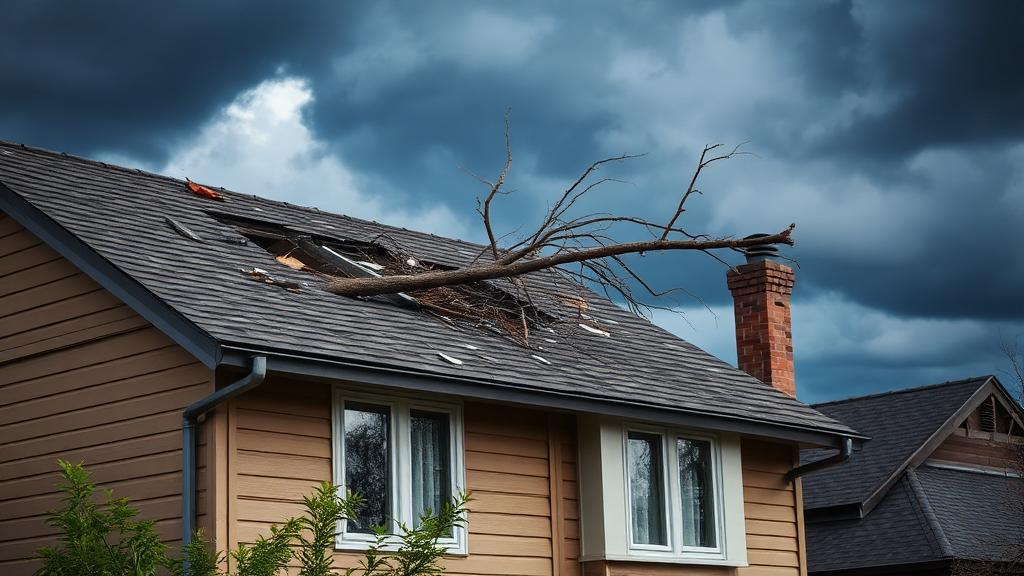
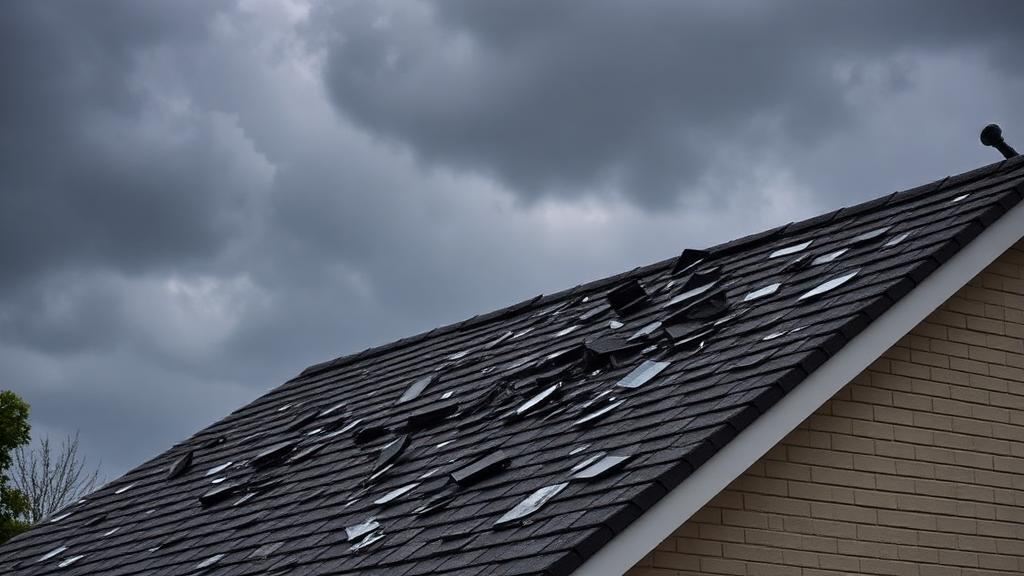
Storm damage creates urgency that unscrupulous contractors exploit. Every year following major storms, homeowners lose thousands of dollars to storm chasers, unlicensed operators, and outright scammers. Choosing the right storm damage repair contractor protects your investment, ensures quality work, and provides peace of mind during a stressful time. This comprehensive guide helps you find, vet, and work successfully with reputable contractors.
Understanding the Storm Repair Landscape
The period immediately following major storms creates a unique contractor environment with both opportunities and risks.
The Storm Chaser Phenomenon:
After significant storms, contractors flood affected areas: - Some are legitimate contractors expanding operations - Many are unlicensed or underqualified operators - Some are outright scammers who take money and disappear - Quality and accountability vary dramatically
Why Careful Selection Matters:
| Risk | Consequence |
|---|---|
| Unlicensed contractor | No recourse for poor work, code violations |
| Inadequate insurance | You're liable for injuries, damages |
| Substandard work | Failures, leaks, void warranties |
| Scam operations | Lost money, no repairs completed |
| Poor insurance coordination | Underpaid claims, personal expenses |
Timeline Pressures:
Storm damage creates legitimate urgency: - Water intrusion causes ongoing damage - Insurance claims have filing deadlines - Contractor availability decreases over time - Material supplies can become limited
Balance urgency with careful vetting—rushing into bad decisions costs more than waiting for the right contractor.
Initial Contractor Research
Begin finding contractors before making any commitments.
Sources for Finding Contractors:
Recommended Sources:: - Personal referrals from neighbors, friends, family - Insurance company referral lists (not required to use) - Roofing manufacturer certified contractor networks - Local building association members - Better Business Bureau listings
Use With Caution:: - Door-to-door solicitors (vet extensively) - Online ads (verify all claims) - Social media advertising (verify legitimacy) - Generic contractor listing sites (quality varies)
Building Your Candidate List:
Identify 3-5 potential contractors: - Focus on local, established businesses - Prioritize those with storm damage experience - Include companies with manufacturer certifications - Consider those recommended by trusted sources
Essential Credentials Verification
Every storm damage contractor must meet specific requirements.
Licensing Verification:
State and local licenses required:
□ Verify license number with state licensing board □ Confirm license is current and active □ Check for any violations or disciplinary actions □ Ensure license covers roofing work specifically □ Verify local business license if required
Insurance Requirements:
Adequate insurance protects you:
□ General liability insurance (minimum $1 million) □ Workers' compensation coverage □ Request certificates directly from insurance company □ Verify coverage is current (not expired) □ Confirm your address is covered
Why Insurance Matters:
| Coverage Type | Protects Against |
|---|---|
| General liability | Damage to your property during work |
| Workers' comp | Injuries to workers on your property |
| Auto insurance | Vehicle accidents during project |
Without proper insurance, YOU can be held liable for injuries or damages.
Manufacturer Certifications:
Quality contractors hold certifications: - GAF Master Elite, Certified, or Preferred - CertainTeed SELECT ShingleMaster or Master - Owens Corning Preferred or Platinum - Other manufacturer programs
Certified contractors offer: - Enhanced warranty options - Proven installation competency - Ongoing training requirements - Manufacturer accountability
Warning Signs of Problem Contractors
Learn to recognize red flags that indicate potential problems.
Immediate Disqualifiers:
- Requests for full payment upfront
- Only accepts cash payments
- No physical business address
- Out-of-state license plates only
- Unwilling to provide written estimates
- Pressure to sign immediately
- Offers to pay your deductible (insurance fraud)
- No references available
Concerning Behaviors:
- Vague about licensing or insurance
- Reluctant to put details in writing
- Drastically lower prices than others
- Unable to explain work scope clearly
- Push for work beyond what's needed
- No manufacturer certifications
- Poor online reviews or no presence
Storm Chaser Indicators:
- Appears immediately after storm
- Temporary signage or vehicles
- No local references available
- Claims to be in area "just for the storm"
- Offers signing bonuses or incentives
- Won't wait for insurance assessment
The Estimate Process
Getting proper estimates helps you compare options fairly.
Scheduling Estimates:
Best practices: - Schedule 3-5 estimates when possible - Be present during all inspections - Provide same information to all contractors - Allow sufficient inspection time - Ask questions during visits
What Quality Estimates Include:
Detailed written estimates should show:
□ Complete scope of work description □ Material specifications (brands, models, colors) □ Quantity calculations □ Labor breakdown □ Permit costs and responsibility □ Timeline for completion □ Payment schedule □ Warranty information □ Exclusions or limitations
Comparing Estimates:
| Element | Red Flag | Good Sign |
|---|---|---|
| Detail level | Vague descriptions | Specific materials listed |
| Pricing | Much lower than others | Competitive with explained value |
| Timeline | Unrealistic promises | Reasonable with contingencies |
| Scope | Missing elements | Comprehensive coverage |
Questions to Ask:
Essential questions for every estimate: - How long have you been in business locally? - Who will supervise my project? - What's your process for handling unexpected issues? - How do you coordinate with insurance? - What warranty do you provide? - Can you provide references from recent storm damage work?
Reference and Reputation Verification
Past performance predicts future results.
Requesting References:
Ask for: - 5-10 recent customers (storm damage specifically) - Similar scope projects if possible - References from past year - Permission to view completed work
Questions for References:
When contacting references ask: - Was the work completed as promised? - Did they stay on schedule? - How did they handle problems or changes? - Was cleanup satisfactory? - Would you hire them again? - Any surprises or disappointments?
Online Reputation Research:
Check multiple sources: - Google reviews and ratings - Better Business Bureau profile - HomeAdvisor or Angi if listed - Social media presence - Industry association memberships
Red Flags in Reviews:
Watch for patterns of: - Abandoned projects - Poor communication - Substandard materials used - Clean-up issues - Warranty problems
Contract Essentials
Never begin work without a comprehensive written contract.
Required Contract Elements:
Your contract must include:
□ Full legal business name and address □ License and insurance policy numbers □ Complete scope of work description □ Material specifications with allowable substitutions □ Total contract price □ Payment schedule tied to milestones □ Start and completion dates □ Permit responsibility designation □ Warranty terms (workmanship and materials) □ Change order procedures □ Dispute resolution process □ Cancellation terms
Payment Terms:
Safe payment structures: - No more than 10-30% deposit - Progress payments tied to completed milestones - Final payment upon completion and satisfaction - Hold reasonable retainage until punch list completed
Never agree to:: - 50% or more upfront - Payment before materials are delivered - Full payment before work begins - Cash-only terms
Reading the Fine Print:
Before signing, understand: - Cancellation penalties - Timeline penalties or extensions - Insurance settlement contingencies - Material price escalation clauses - Warranty limitations and exclusions
Insurance Claim Coordination
How contractors work with insurance affects your outcome.
What Good Contractors Do:
- Meet with insurance adjusters on-site
- Provide detailed estimates matching insurance scope
- Document additional damage found
- Help file supplement claims when needed
- Explain insurance-related terms
- Work within assignment of benefits rules
What to Avoid:
- Contractors who "handle everything" without transparency
- Signing away your rights via assignment of benefits
- Pressure to sign before insurance inspection
- Promises about specific settlement amounts
- Offers to "waive" your deductible
Understanding Your Role:
Even with contractor coordination, you should: - Review all insurance communications - Understand settlement terms - Approve work scope before it begins - Verify insurance payments before release - Maintain direct insurer contact
Pre-Work Verification
Before work begins, confirm everything is in order.
Documentation Checklist:
□ Signed contract in your possession □ Proof of current insurance □ Building permits pulled (if required) □ Material selections confirmed □ Start date confirmed □ Point of contact identified □ Emergency contact provided □ Property preparation instructions received
Job Site Preparation:
Discuss expectations for: - Vehicle parking locations - Material storage areas - Debris disposal methods - Property protection (landscaping, etc.) - Access requirements - Work hours
Neighbor Communication:
Consider informing neighbors about: - Upcoming work and timeline - Potential noise and debris - Parking impacts - Emergency contact if issues arise
During the Project
Stay engaged throughout the repair process.
Monitoring Progress:
- Conduct daily visual inspections if possible
- Document progress with photos
- Note any concerns immediately
- Keep communication log with contractor
Communication Practices:
- Establish preferred contact methods
- Request regular progress updates
- Address concerns promptly and directly
- Document all conversations in writing
Handling Changes:
When scope changes arise: - Get written change orders before work proceeds - Understand cost implications - Consider insurance supplement needs - Update timeline expectations
Project Completion
Proper completion protects your long-term interests.
Final Inspection:
Before final payment:
□ Walk through with contractor/supervisor □ Create punch list of remaining items □ Verify all contracted work is complete □ Confirm proper material installation □ Check for debris and cleanup completion □ Test any movable components □ Review required documentation
Documentation to Receive:
At project completion, obtain: - Final invoice marked paid - Material warranties - Workmanship warranty - Permit inspection approvals - Lien waivers from contractor and suppliers - Before/after photographs - Maintenance instructions
Lien Protection:
Lien waivers protect you from: - Supplier claims for unpaid materials - Subcontractor claims for unpaid labor - Contractor claims after payment made
Request final lien waivers with final payment.
Long-Term Relationship
Good contractors become valuable resources.
Warranty Support:
Quality contractors provide: - Clear warranty terms - Responsive warranty service - Manufacturer warranty coordination - Timely issue resolution
Maintenance Guidance:
Expert contractors offer: - Maintenance recommendations - Inspection schedules - Early issue identification - Preventive care options
Future Storm Preparation:
Established relationships provide: - Priority service after future storms - Trusted assessment of damage - Streamlined repair processes - Continued quality assurance
Conclusion
Choosing the right storm damage contractor requires diligence, but the investment in proper vetting protects your home and finances. Remember these key principles:
- Take time to vet - Urgency doesn't justify skipping due diligence
- Verify everything - Licenses, insurance, references, reputation
- Get it in writing - Contracts protect everyone's interests
- Avoid red flags - Trust your instincts when something seems wrong
- Stay engaged - Monitor progress and maintain communication
Quality storm damage repairs restore your home's protection and value. By following this guide, you'll find contractors who deliver excellent work at fair prices with accountability and professionalism. Search for qualified contractors in your area to begin building your list of reputable options before the next storm strikes.