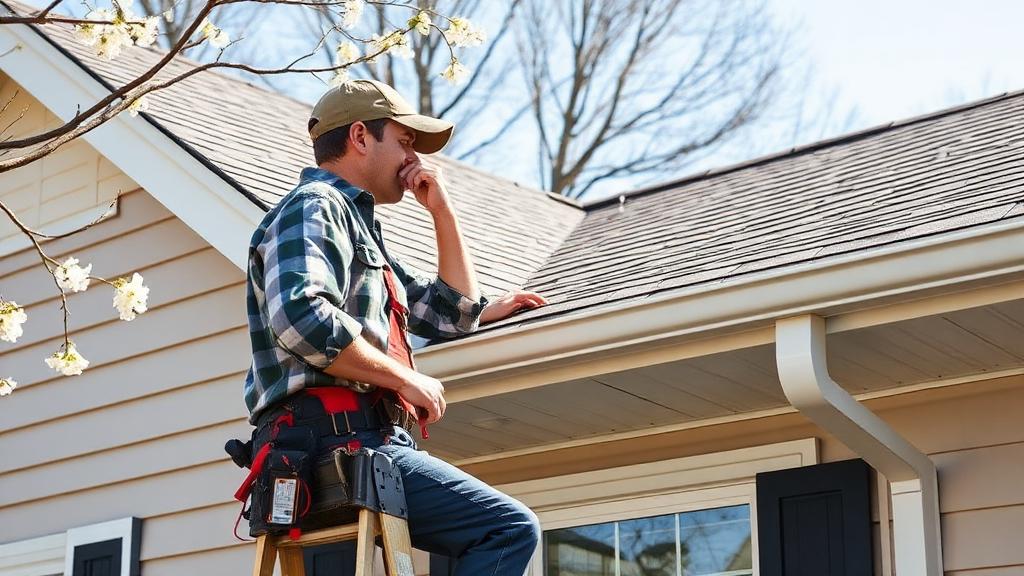
How to Extend Your Roof's Lifespan: 15 Expert Maintenance Strategies
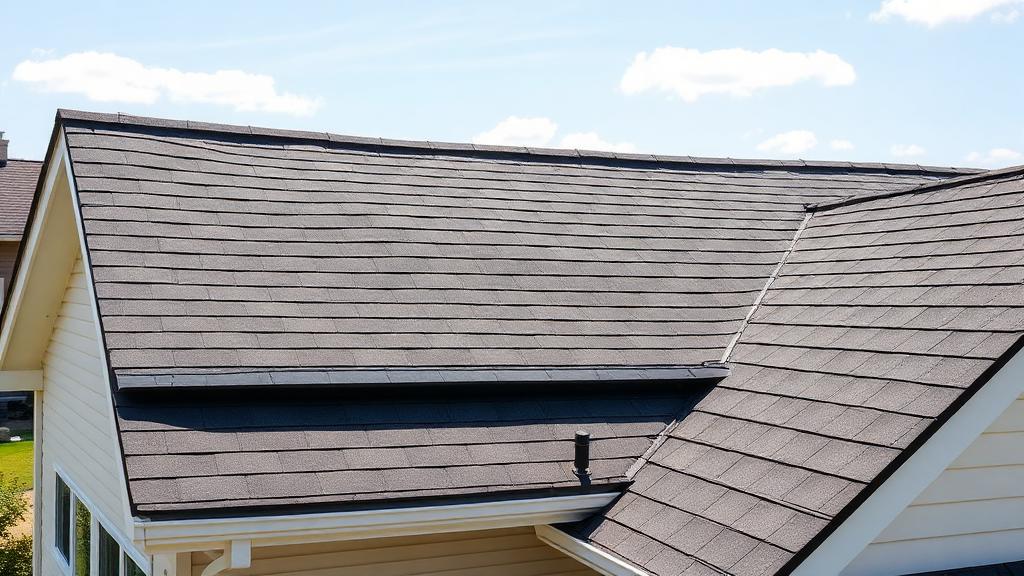
Your roof represents a significant investment—typically $8,000 to $25,000 or more for replacement. Extending its lifespan even a few years provides substantial value, and proper maintenance can add 5-15 years beyond the normal expected life of roofing materials. This guide presents 15 expert strategies that protect your investment and maximize your roof's productive years.
Understanding Roof Lifespan Factors
Before exploring maintenance strategies, understanding what affects roof longevity helps you focus efforts effectively.
Material Lifespan Expectations
Different roofing materials have varying expected lifespans:
| Material Type | Typical Lifespan | Maximum with Care |
|---|---|---|
| 3-Tab Asphalt Shingles | 15-20 years | 20-25 years |
| Architectural Shingles | 25-30 years | 35-40 years |
| [Metal Roofing](/blog/standing-seam-metal-roofing-complete-guide) | 40-70 years | 70+ years |
| [Clay/Concrete Tile](/blog/clay-tile-roofing-complete-guide) | 50-100 years | 100+ years |
| [Natural Slate](/blog/natural-slate-roofing-complete-guide) | 75-150 years | 150+ years |
| Wood Shakes | 25-30 years | 40+ years |
Factors That Shorten Lifespan
- Inadequate ventilation
- Poor installation quality
- Deferred maintenance
- Extreme weather exposure
- Tree damage and debris
- Foot traffic
- Moss and algae growth
Strategy 1: Prioritize Proper Ventilation
Roof ventilation is perhaps the single most important factor in roof longevity.
How Poor Ventilation Damages Roofs:: - Trapped heat accelerates asphalt shingle aging - Moisture buildup leads to mold, rot, and decking failure - Ice dams form when attic heat melts snow unevenly - Extreme temperature swings stress all roofing components
Optimal Ventilation Requirements:: - 1 square foot net free area per 150 sq ft of attic floor (or 1:300 with balanced intake/exhaust) - 50% intake vents (soffits), 50% exhaust vents (ridge/roof) - No blocked or covered soffit vents - Continuous ridge vent for uniform exhaust
Action Steps:: - Inspect attic ventilation during your next roof inspection - Check that insulation doesn't block soffit vents - Consider adding ventilation if attic exceeds 110-120°F in summer - Ensure bathroom and kitchen fans vent outside, not into attic
Strategy 2: Maintain Clean Gutters
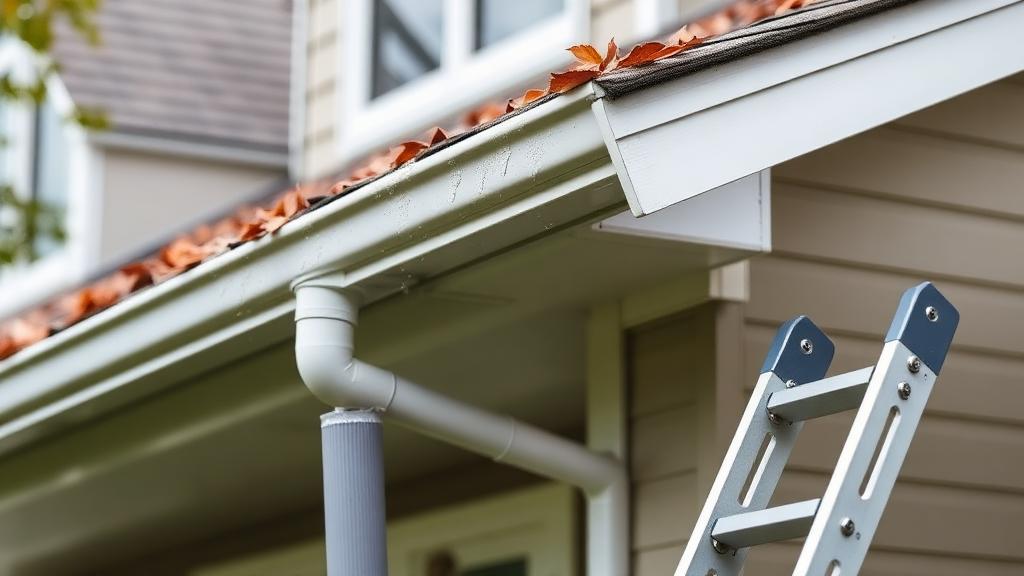
Clogged gutters cause water to back up under shingles and overflow against fascia boards.
Damage from Neglected Gutters:: - Water wicks under shingles at eaves - Fascia and soffit rot from constant moisture - Ice dams form more readily in winter - Foundation damage from improper drainage
Maintenance Schedule:: - Clean gutters at least twice yearly (spring and fall) - Inspect after major storms - More frequent cleaning if you have many trees
Improvement Options:: - Install gutter guards to reduce debris accumulation - Upgrade to larger gutters if overflow is common - Add downspout extensions to direct water away
Strategy 3: Keep Trees Trimmed
Overhanging trees cause both immediate damage and long-term deterioration.
Tree-Related Roof Damage:: - Falling branches puncture and tear roofing materials - Limbs rubbing on shingles wear away protective granules - Leaves and needles accumulate, retaining moisture - Shade promotes moss and algae growth
Recommended Clearance:: - Trim branches to maintain 10+ feet clearance from roof surface - Remove dead or damaged limbs immediately - Consider removing trees that consistently drop debris on roof
Strategy 4: Remove Debris Promptly
Organic debris on your roof does more than look unsightly—it actively damages roofing materials.
How Debris Damages Roofs:: - Leaves and needles trap moisture against shingles - Decomposing organic matter becomes acidic - Debris dams water in valleys and low spots - Seeds sprout, and roots can penetrate roofing
Maintenance Approach:: - Sweep or blow debris after storms and leaf fall - Pay special attention to valleys and areas around penetrations - Use soft-bristle tools that won't damage shingles - Clear debris before it has time to decompose
Strategy 5: Conduct Regular Inspections
Catching problems early is the most cost-effective maintenance strategy.
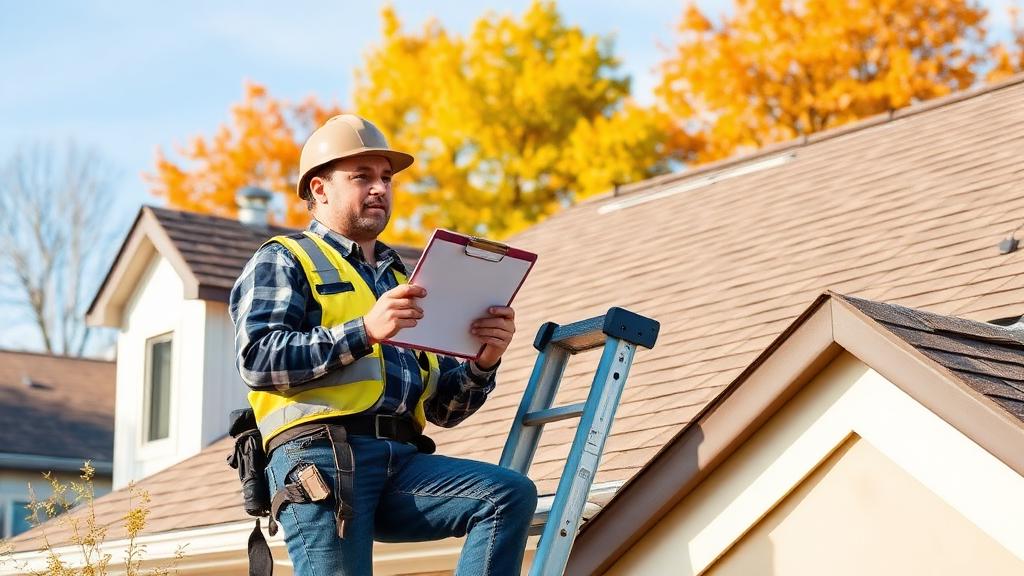
Inspection Schedule:: - Professional inspection every 2-3 years - Self-inspection from ground level monthly - Detailed inspection after severe weather events
What to Look For:: - Missing, damaged, or curling shingles - Exposed nail heads or lifted edges - Damaged or deteriorating flashing - Signs of moss, algae, or debris accumulation - Sagging or uneven roof lines - Interior signs like water stains or daylight in attic
Strategy 6: Address Repairs Immediately
Small problems become big problems when ignored.
The Compound Effect of Delayed Repairs:: - A missing shingle ($5 replacement) can lead to deck damage ($500+ repair) - Small flashing gaps become major leaks - Minor moss patches spread to cover entire roof slopes - Each problem creates conditions for additional problems
Priority Repair Items:: 1. Any active leaks 2. Missing or damaged shingles 3. Compromised flashing 4. Damaged or missing ridge cap 5. Gutter problems affecting drainage
Strategy 7: Prevent and Treat Biological Growth
Moss and algae do more than look bad—they actively deteriorate roofing materials.
Damage Mechanisms:: - Moss holds moisture against shingles 24/7 - Algae consumes limestone in asphalt shingles - Roots penetrate between and under shingles - Dark growth absorbs heat, accelerating wear
Prevention Methods:: - Install zinc or copper strips near ridge line - Increase sunlight by trimming trees - Choose algae-resistant shingles when replacing - Apply preventive treatments in prone areas
Strategy 8: Ensure Proper Attic Insulation
Insulation works hand-in-hand with ventilation to protect your roof.
How Insulation Protects:: - Reduces heat transfer into attic, keeping roof cooler - Prevents warm indoor air from reaching cold roof surfaces - Minimizes ice dam formation in winter - Stabilizes temperature fluctuations that stress materials
Insulation Recommendations:: - R-38 to R-60 depending on climate zone - Uniform coverage across entire attic floor - No gaps, compression, or thin spots - Proper vapor barrier installation
Strategy 9: Avoid Walking on the Roof
Every step on your roof causes wear and potential damage.
Damage from Foot Traffic:: - Loosens shingle adhesive bonds - Scuffs granules from asphalt shingles - Can crack tile or slate - Creates paths for water intrusion
When Roof Access Is Necessary:: - Walk only when absolutely required - Use proper safety equipment - Step carefully near structural supports - Avoid hot days when asphalt is soft - Consider professional service to reduce homeowner access
Strategy 10: Protect Roof Penetrations
Chimneys, vents, skylights, and other penetrations are prime failure points.
Penetration Vulnerabilities:: - Flashing deterioration over time - Sealant shrinkage and cracking - Differential movement between materials - Debris accumulation around penetrations
Maintenance Requirements:: - Inspect flashing annually for gaps or lifting - Refresh sealants every 3-5 years or as needed - Keep areas around penetrations clear of debris - Address any signs of water staining below penetrations
Strategy 11: Install Quality Underlayment
If re-roofing, don't skimp on underlayment—it's your second line of defense.
Underlayment Options:: - Synthetic underlayment: More durable than felt, lays flat - Ice and water shield: Self-sealing at penetrations and eaves - Traditional felt: Economical but less durable
Strategic Application:: - Cover entire roof deck for best protection - Ice and water shield at eaves, valleys, and penetrations - Allow proper overlap per manufacturer specifications
Strategy 12: Choose Quality Materials
When repairs or replacement are needed, material quality matters enormously.
Where Quality Matters Most:: - Shingles: Higher-grade products last significantly longer - Flashing: Invest in heavy-gauge, quality metals - Sealants: Use roofing-specific products rated for outdoor exposure - Fasteners: Corrosion-resistant nails prevent future problems
Value of Premium Materials:: Spending 20-30% more on premium materials can double roof lifespan—a strong return on investment over time.
Strategy 13: Hire Qualified Contractors
The quality of installation affects lifespan as much as material quality.
Contractor Selection Criteria:: - Licensed and insured for your state - Manufacturer certification for products used - Documented warranty coverage - Positive references and reviews - Written contracts with detailed scope
Installation Quality Factors:: - Proper nailing patterns and placement - Correct shingle alignment and exposure - Adequate flashing integration - Code-compliant ventilation
Find qualified roofing contractors in your area who meet these standards.
Strategy 14: Document and Monitor
Good records help you track roof condition and plan maintenance effectively.
Documentation Best Practices:: - Keep all receipts, warranties, and contracts - Photograph roof condition annually - Note dates of inspections and maintenance - Track any repairs or problem areas - Maintain contractor contact information
How Documentation Helps:: - Establishes baseline for identifying changes - Supports insurance claims if damage occurs - Provides information for potential home buyers - Helps schedule preventive maintenance
Strategy 15: Plan for the Long Term
Proactive planning prevents reactive emergencies.
Long-Term Planning Elements:: - Estimate remaining roof life based on age and condition - Budget for eventual replacement - Schedule maintenance annually, not just when problems appear - Consider timing replacement with other projects (siding, windows)
Financial Preparation:: - Set aside $500-$1,000 annually for roof maintenance and repairs - Plan for major replacement as roof approaches expected lifespan - Consider warranty coverage for new installations
Creating Your Maintenance Plan
Implement these strategies with a structured annual schedule:
Spring (March-May):: - Complete visual inspection from ground - Clean gutters after pollen/bloom season - Check for winter damage - Schedule professional inspection if due
Summer (June-August):: - Trim overhanging branches - Treat moss/algae if present - Check attic ventilation performance - Make minor repairs in good weather
Fall (September-November):: - Final gutter cleaning after leaf fall - Pre-winter inspection - Address any needed repairs before cold weather - Check attic insulation
Winter (December-February):: - Monitor for ice dams - Remove heavy snow loads if necessary - Interior checks for leak signs - Plan spring maintenance projects
Conclusion
Extending your roof's lifespan isn't complicated—it's about consistent attention to fundamentals: ventilation, drainage, debris management, timely repairs, and quality materials. Each of these 15 strategies contributes to a longer-lasting roof, and implementing them together creates a comprehensive protection plan.
Start by addressing any immediate problems, then build habits around regular inspection and maintenance. The investment in time and modest maintenance costs returns far more than its value in prevented repairs and extended roof life. Your roof protects everything you own—give it the care it deserves.